
Strawberries: Nutrition, Simple Uses and Keeping Them Fresh
Easy ways to serve strawberries and keep them fresh without exaggerated health claims.

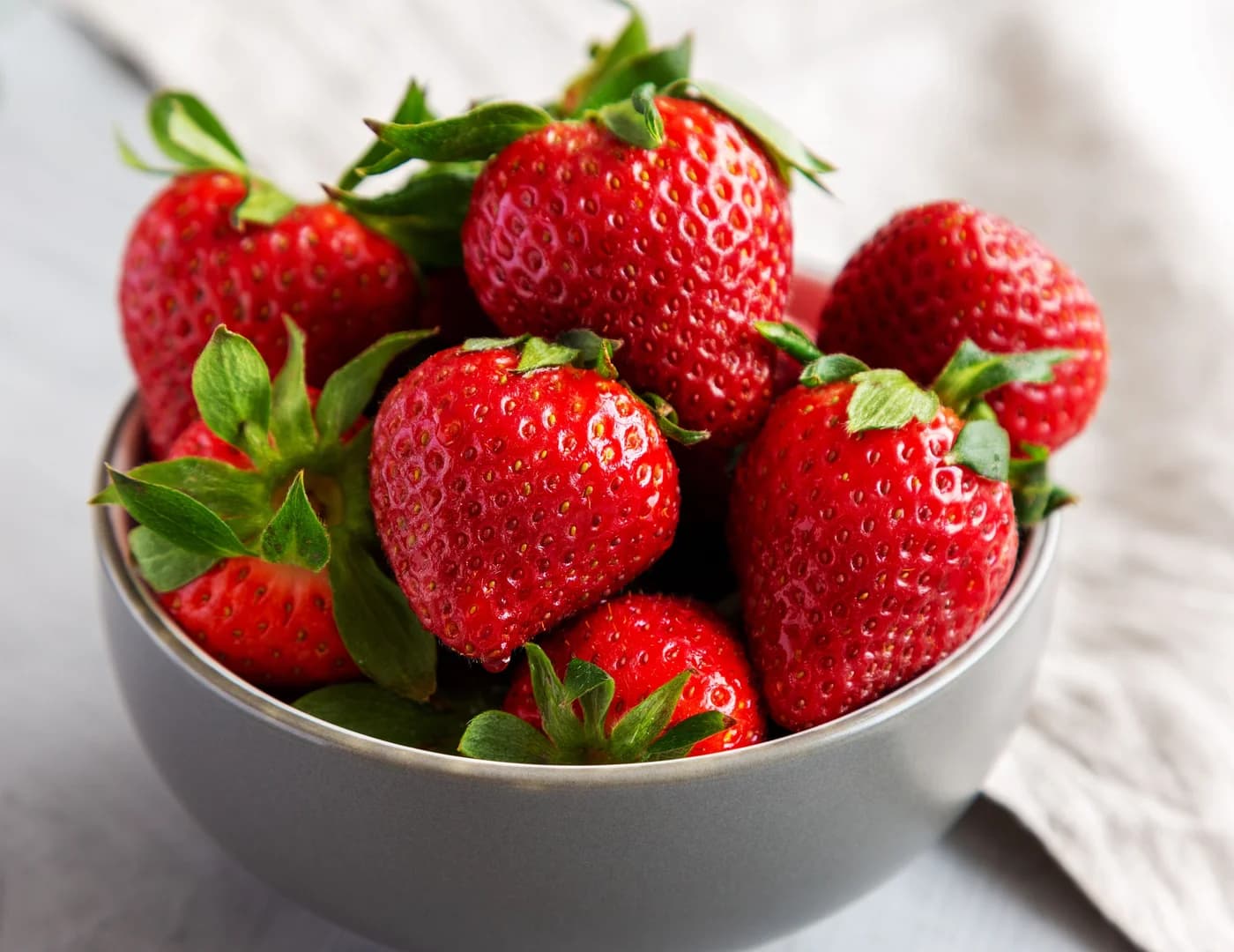
Key Takeaways
- Strawberries offer fruit, flavour and vitamin C.
- A bowl is more useful than counting berries.
- Store unwashed and wash just before eating.
- Freeze extras rather than letting them spoil.
A box of ripe strawberries can be delicious straight from the fridge, yet it can also turn soft before you get through it. Their everyday value is straightforward: they offer fruit, flavour and vitamin C without much preparation. You do not need to turn them into a detox drink or buy them year-round. Choose good berries, use them simply and make a plan for the ones you will not finish.
What strawberries offer
Strawberries provide water, fibre and vitamin C, along with naturally occurring plant compounds. They contain carbohydrate but little fat or protein.
Vitamin C supports normal immune function and helps the absorption of iron from plant foods. This does not make strawberries a cure for low iron or a guarantee against infections. They contribute to a varied diet in the same practical way other fruits can.
A cup of sliced fresh strawberries provides roughly 50 calories in standard food-composition data. The exact amount depends on the serving. That figure describes plain fruit, not strawberries covered in cream, syrup or chocolate.
A bowl is more useful than a berry count
Strawberries vary a lot in size. A small bowl or a handful of prepared berries is a more practical serving idea than insisting on a precise number.
Have them as one fruit choice in the day, or combine them with another fruit you enjoy. If you are hungry for a substantial snack, add curd, a suitable unsweetened yoghurt or a small amount of nuts.
Fruit does not have to keep you full for hours on its own. It is reasonable to pair it with another food rather than deciding that strawberries have failed because a light bowl did not replace lunch.
Make breakfast taste better
Sliced berries can brighten plain oats or dalia, especially when the base is unsweetened. Add them after cooking if you want to keep their fresh texture.
For a quick bowl, combine curd, strawberries and a little chopped nut. Taste before adding honey or sugar; ripe fruit may give enough sweetness. If you prefer a savoury breakfast, eat the berries separately alongside chilla or a sandwich.
They also work on toast with a suitable nut butter spread thinly. Keep the meal's protein and overall amount in mind rather than assuming a colourful topping makes every breakfast complete.
Dessert does not need a health disguise
Strawberries can make a pleasant dessert on their own. A little cream or chocolate can also be enjoyed, but those additions change the dish's energy and sugar content.
Serve the amount you want on a plate instead of repeatedly dipping from a large shared bowl. This lets you enjoy the richer version without treating fruit as permission for unlimited toppings.
Strawberry jam is another food entirely. It is usually made with added sugar and eaten in a much smaller serving than fresh berries. It should not be counted as a like-for-like replacement for a bowl of fruit.
Choosing a good box
Look for berries that are firm enough to hold their shape, with no obvious mould, leaking or crushed areas. Inspect the bottom of a clear box when possible, since damage can be hidden beneath the top layer.
Colour and aroma can help you choose fruit you will enjoy, but size alone does not predict flavour. Very large berries are not automatically sweeter or more nutritious.
Buy an amount that suits your household. A smaller fresh box may be a better purchase than a large bargain pack that mostly spoils. Seasonal availability and price are reasonable reasons to choose another fruit instead.
Store first, wash before use
Refrigerate strawberries and keep them as dry as practical until you are ready to use them. Remove damaged or mouldy berries so they are not sitting among the rest.
Wash under running water just before preparation, then drain gently. Do not use soap or household cleaning chemicals. Wash before removing the green tops to reduce unnecessary soaking of cut surfaces.
For mouldy soft fruit, discard the affected berry rather than cutting off the visible patch and eating the remainder. If a box has widespread spoilage, do not try to rescue it for a smoothie. Blending does not make spoiled fruit safe.
Freeze what you will not finish
If sound berries are becoming very ripe, wash, dry and remove the tops, then freeze them in a single layer before transferring to a suitable container. This keeps them easier to portion.
Frozen strawberries work well in cooked porridge toppings, sauces or smoothies. Their texture changes after thawing, so they may be less appealing as a fresh-style salad.
Commercial frozen fruit can be convenient too. Choose unsweetened versions for everyday use and follow any instructions about cooking or safe preparation. Frozen does not mean nutritionally useless, and fresh is not automatically better if it is mostly wasted.
Blood sugar and smoothies
Whole strawberries can fit into many diabetes eating plans in an appropriate portion. Their fibre does not make them carbohydrate-free, but they do not need to be banned simply because they taste sweet.
A smoothie can contain much more fruit than you would normally eat at once, especially if juice, honey or sweetened yoghurt is added. Keep the portion and ingredients visible.
If you want a filling drink, consider a suitable protein-containing base rather than fruit juice alone. You can also eat the berries and drink water, which is often simpler and gives a different eating experience from a large blended glass.
When to be careful
Strawberries can cause allergic symptoms in some people. Repeated mouth itching, hives or another reaction after eating them deserves attention; breathing difficulty or swelling needs emergency help.
For young children, prepare pieces suited to their ability and supervise eating. The right size depends on the child's development and the fruit's texture, not just the fact that it is soft.
Enjoy strawberries while they are fresh and reasonably priced, then use other fruits when they are not. Their benefit comes from being an appealing part of ordinary eating, without needing a special status or a complicated recipe.
Editorial sources
Frequently Asked Questions
Related Articles
Blueberries: nutrition, benefits and easy ways to eat them
Blueberries add fibre, vitamin C and colourful plant compounds to meals. Learn what studies show, how to choose them and simple ways to eat them.

Mulberry Benefits : Nutrition, Portions and Safety
Mulberries are delicate berries eaten fresh, dried or cooked. Learn about practical uses, portions and safety.
Vitamin C Foods: Simple Indian Sources and Meal Ideas
Discover vitamin C-rich Indian foods, easy meal ideas, simple cooking tips, deficiency signs and safe supplement guidance to follow.
Best Time to Eat Fruit: Morning, Night or With Meals?
There is no magic hour for fruit. Learn how to time it around meals, exercise, diabetes, reflux and medicines without strict rules.