
Eggplant (Baingan) Benefits: Nutrition, Cooking and Safety
Baingan is a low-energy, fibre-rich vegetable. See what it offers, how to cook it without soaking up oil, and when it may not suit you.
Key Takeaways
- Baingan is mostly water and fibre, with modest potassium, manganese and folate.
- Its spongy flesh soaks up oil, so roasting or grilling keeps dishes lighter than deep-frying.
- The purple skin is edible and contains anthocyanins such as nasunin; just wash it well.
- Nightshade avoidance is unnecessary for most people, and eggplant allergy is uncommon.
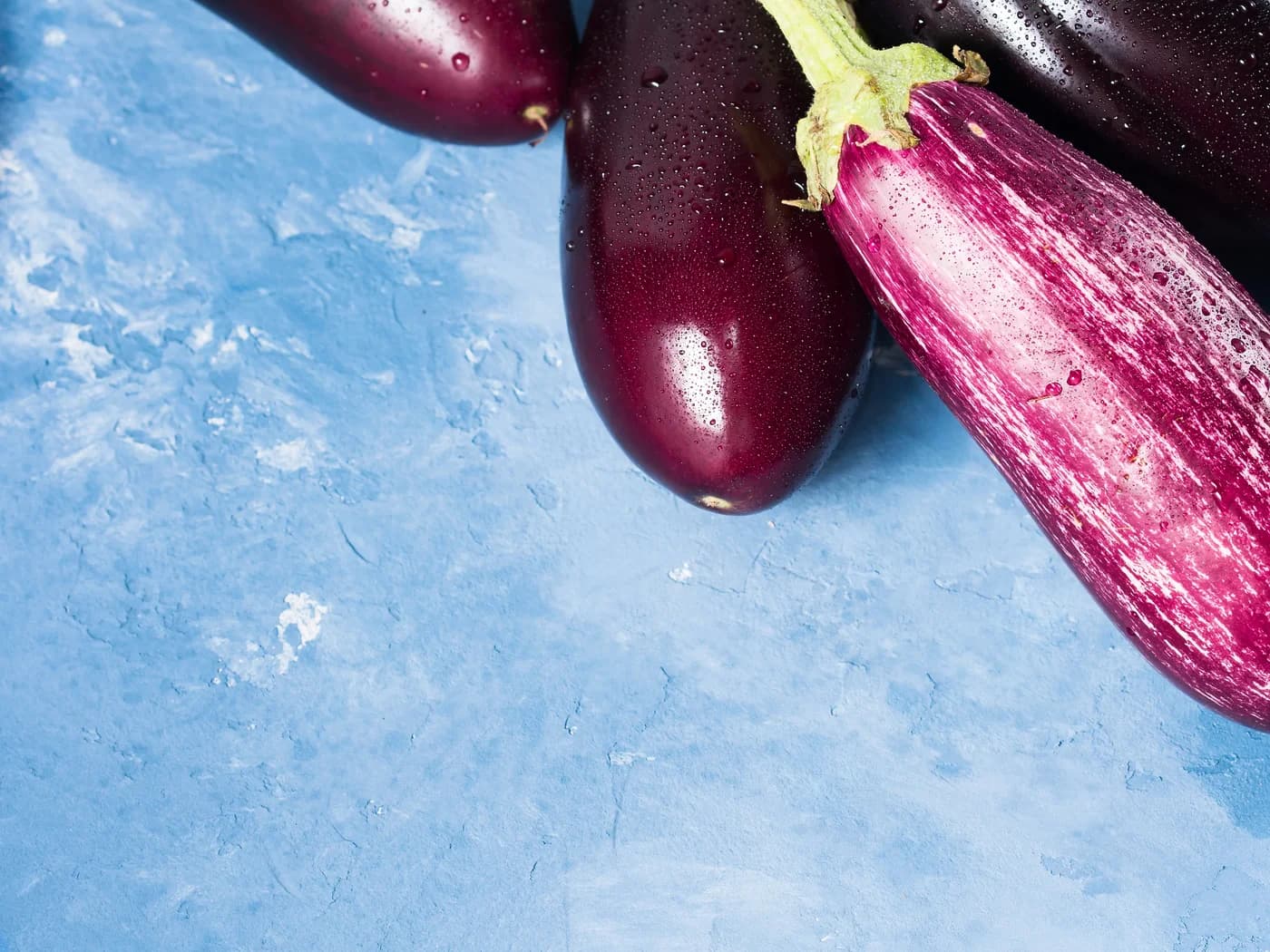
Eggplant, also called baingan or brinjal, is a low-energy vegetable whose soft flesh readily absorbs surrounding flavours. Its purple skin supplies anthocyanin pigments, while the whole vegetable contributes fibre, potassium and small amounts of several micronutrients. The best reason to eat it is not a detox promise: it is an adaptable way to bring more vegetables, colour and satisfying texture to everyday meals.
What does baingan offer nutritionally?
A cup of cooked eggplant is mostly water and provides fibre with relatively little energy before oil or sauce is added. It also contains potassium, manganese and folate in modest amounts. No single nutrient is present at a therapeutic dose, so baingan works best alongside pulses, grains and other vegetables rather than carrying the meal alone.
What gives the skin its purple colour?
The skin contains anthocyanins, including nasunin in many purple varieties. Laboratory antioxidant findings are interesting, but they do not prove that eggplant prevents disease or "cleans" the body. Green, white and striped varieties remain nutritious choices. Eating the skin is reasonable when it is washed, tender and suits the recipe.
Can baingan support heart health?
Vegetable-rich eating patterns can support cardiovascular health through fibre, potassium and by replacing less nourishing foods. Evidence does not establish eggplant as a cholesterol treatment. A deep-fried, heavily salted preparation also has a very different profile from roasted baingan served with dal, even though both start with the same vegetable.
How should you cook it?
Why does baingan soak up so much oil?
The spongy flesh absorbs cooking fat quickly. Grilling, roasting, air-frying or brushing oil on rather than pouring it controls the amount without making the food joyless. If frying is part of a traditional dish, enjoy a sensible portion and balance the rest of the meal instead of labelling the vegetable unhealthy.
Choosing and preparing it
Choose firm eggplants with smooth skin and a fresh green cap. Wash under running water, trim damaged areas and cut shortly before cooking because the flesh browns. Salting can change texture and bitterness in some varieties, but many modern eggplants are mild enough to cook directly.
Easy ideas for Indian meals
Roast cubes with cumin, add them to sambar, make baingan bharta, layer slices with tomato and lentils or fold cooked eggplant into a curd-based dip. Pairing it with chickpeas, tofu, paneer or dal supplies the protein the vegetable lacks, and tomato or lemon brightens its earthy flavour.
For a simple one-pan dinner, roast eggplant, tomato and capsicum with cumin and a measured amount of oil, then fold in cooked chickpeas. Finish with lemon and coriander and serve with roti or a small portion of rice. Roasting creates sweetness without deep-frying, and the chickpeas add protein and extra fibre.
When may it not suit you?
Do nightshades cause inflammation?
Eggplant belongs to the nightshade family, which has led to broad claims that it causes inflammation. Good evidence does not support universal avoidance for arthritis or autoimmune disease. If you repeatedly notice symptoms, note the pattern and seek advice rather than cutting out tomatoes, peppers and baingan without a clear reason.
Allergy and digestive discomfort
Eggplant allergy is uncommon but may cause itching, hives or swelling. Breathing difficulty or swelling of the face or throat needs emergency help. A large, rich serving may cause digestive discomfort for reasons unrelated to allergy, so adjust preparation and portion before assuming the vegetable itself does not suit you.
How to store it and spot spoilage
Keep whole eggplant cool and use it while the skin is taut and the flesh firm. Short refrigeration can help in warm weather, but prolonged cold can affect texture. Cool cooked leftovers promptly, cover and refrigerate them, and reheat thoroughly rather than leaving them at room temperature.
A few light brown areas can appear from bruising or after cutting and may be trimmed if the rest smells fresh and feels firm. Extensive mushiness, mould, leaking liquid or a sour odour means the eggplant should be discarded. Seeds become more visible as the vegetable matures and are edible, although an older brinjal may taste more bitter. Do not taste questionable produce to test it.
Editorial sources
Frequently Asked Questions
Related Articles
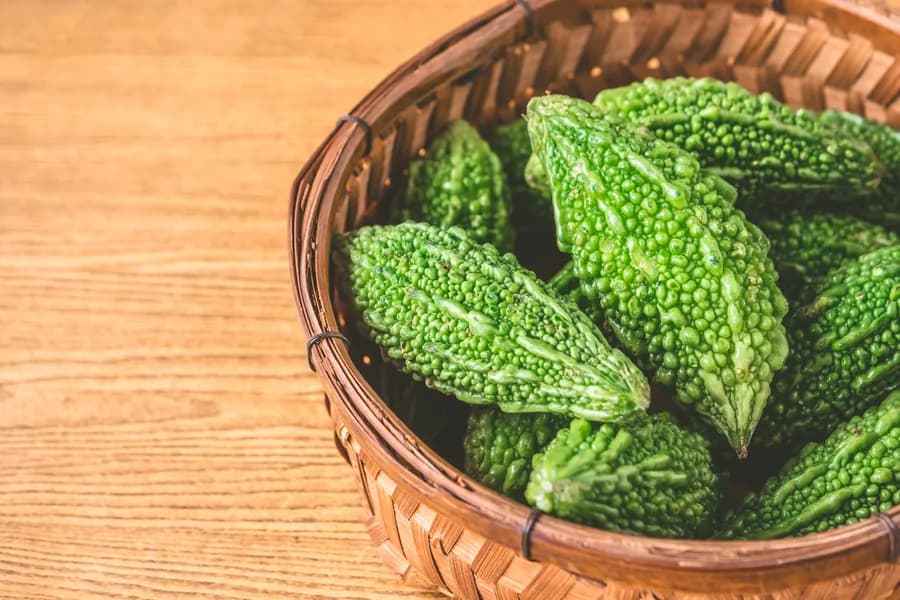
Bitter Gourd Benefits: Nutrition and Diabetes Safety
Bitter gourd is a low-energy vegetable that provides fibre, vitamin C and other plant compounds.

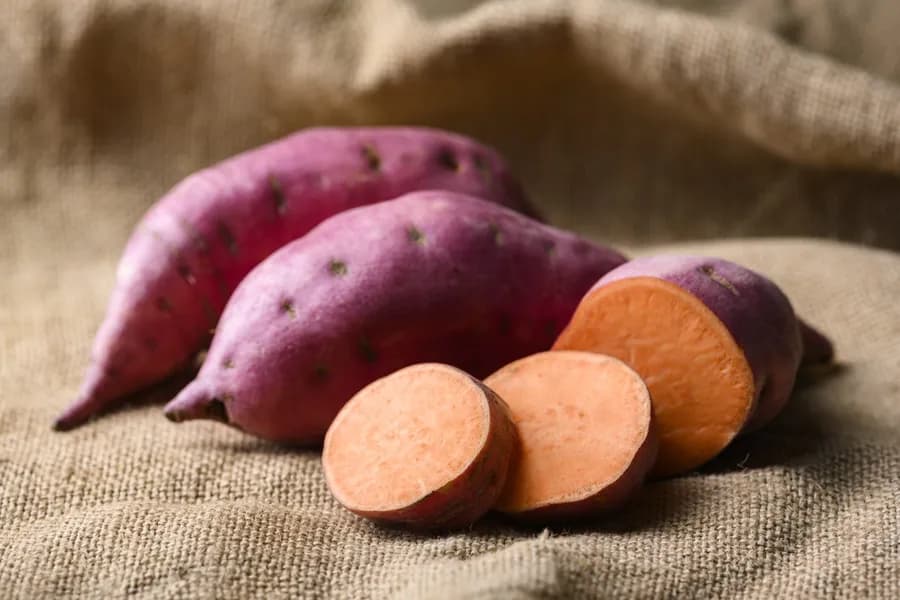
Sweet Potato Benefits: Nutrition, Portions and Easy Recipes
Sweet potatoes provide carbohydrate, fibre, potassium and carotenoids, and orange varieties are rich in beta-carotene. See easy recipes.
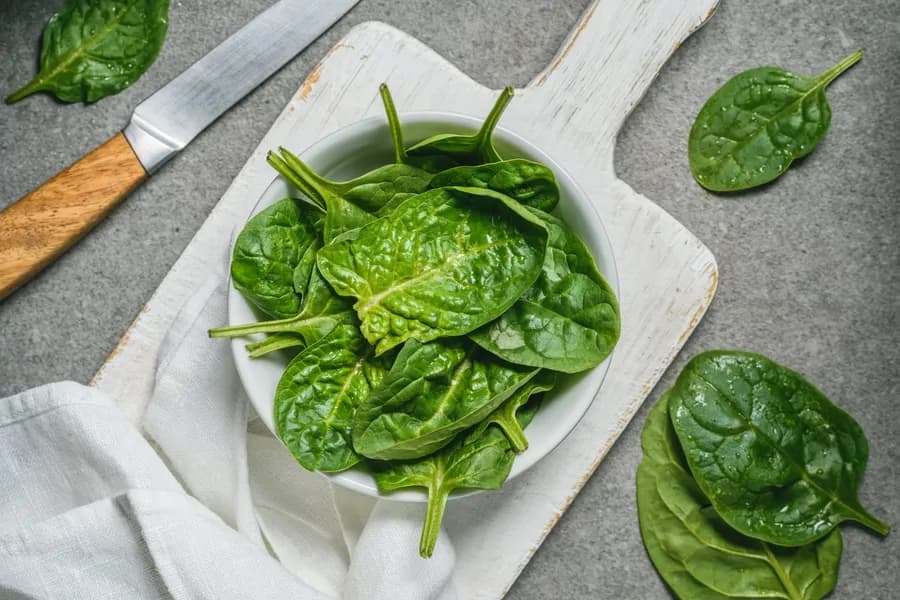
Spinach Benefits: Nutrition and Simple Meal Ideas
Spinach provides folate, vitamin K and carotenoids. Learn its benefits, cooking tips, iron facts and cautions for warfarin or kidney stones.