
Essential Nutrients: What Your Body Needs and Where to Get Them
The six classes of essential nutrients, how vegetarian foods work together to cover them, and the gaps like vitamin B12 that need deliberate planning.
Key Takeaways
- Essential nutrients must come from food because the body cannot make enough of them.
- They include 9 essential amino acids, 2 essential fats, vitamins, minerals and water.
- Vitamin C from amla or guava helps absorb iron from dal, beans and greens.
- Vegetarians need a planned vitamin B12 source; vitamin D often needs attention too.
- Supplements help with a known gap; they cannot make up for too little food.
Essential nutrients are substances the body cannot make in sufficient amounts, so they must come from food or, in selected cases, supplements. They fall into six broad classes: protein (for its essential amino acids), fats (for essential fatty acids), carbohydrates, vitamins, minerals and water. The categories are useful, but health is not built by collecting isolated nutrients one by one. Foods arrive as combinations, and variety covers needs while reducing the chance that a narrow eating pattern leaves important gaps.
Needs are not the same across life. Children, teenagers, pregnant women, older adults and very active people differ in energy and nutrient requirements, and illness, medicines and absorption shift them further. A standard chart is a population reference, not a personal prescription, so a supplement suited to pregnancy or bariatric surgery should not be copied by another family member.
Adequacy also depends on eating enough. A highly restrictive plan can look colourful and "clean" while falling short on energy, protein and fat. When total intake is too low, a few vitamin tablets do not fix muscle loss, menstrual changes, fatigue or poor recovery. Regular meals and sufficient portions come first.
What makes a nutrient essential?
An essential nutrient has a biological role and cannot be made by the body in enough quantity. Vitamin C must come from the diet. The body can make vitamin D in sunlight, but often not reliably enough. Nine amino acids are essential for adults, and two polyunsaturated fats, linoleic acid (omega-6) and alpha-linolenic acid (omega-3), are the dietary starting points for longer-chain fats. Water is essential too, though it supplies no calories.
The term does not rank foods as good or bad. Protein, fat and carbohydrate are macronutrients needed in large amounts; vitamins and minerals are micronutrients needed in tiny amounts. Both extremes harm: too little causes deficiency, while excess supplemental vitamin A, vitamin D, iron, zinc or selenium can be toxic. Recommended intakes are targets for adequacy, not challenges to exceed.
How do foods work together?
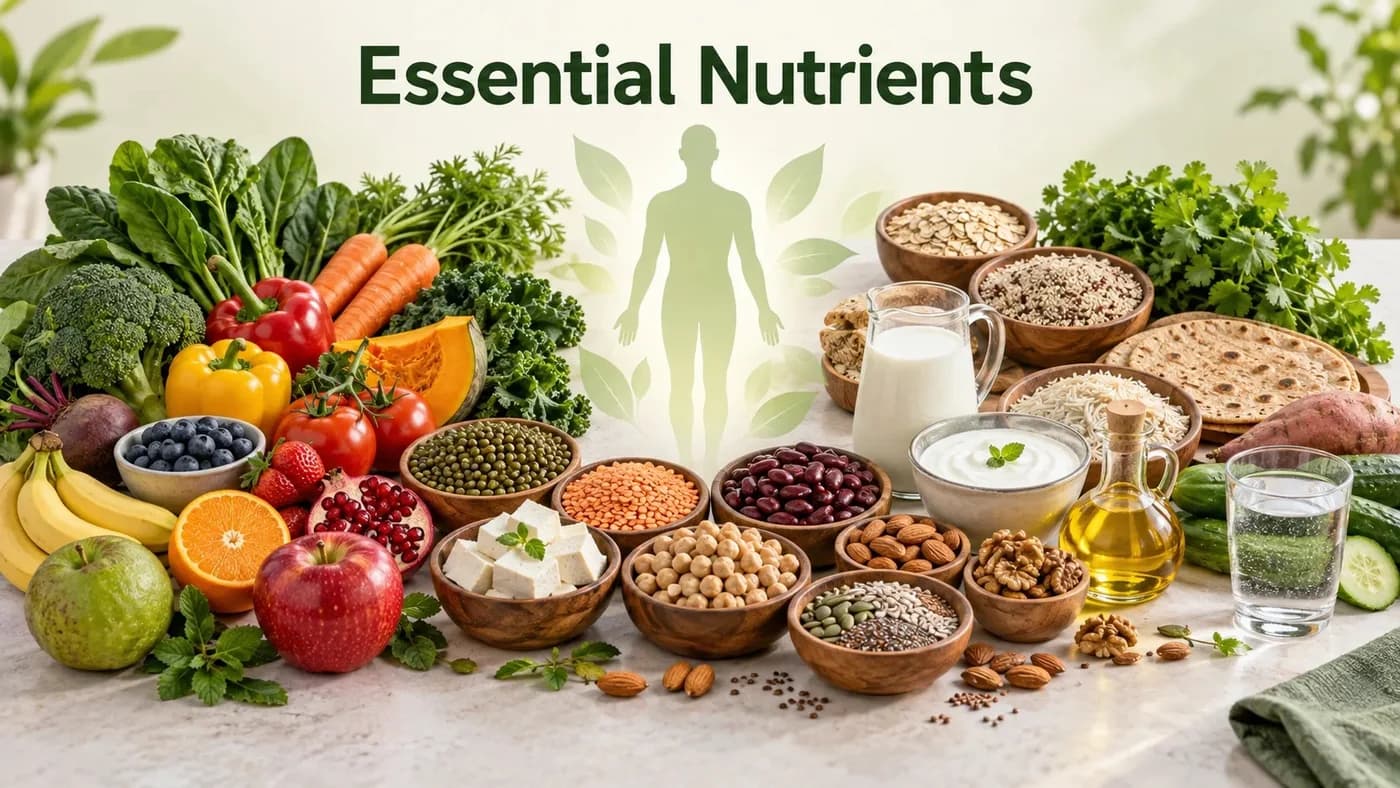
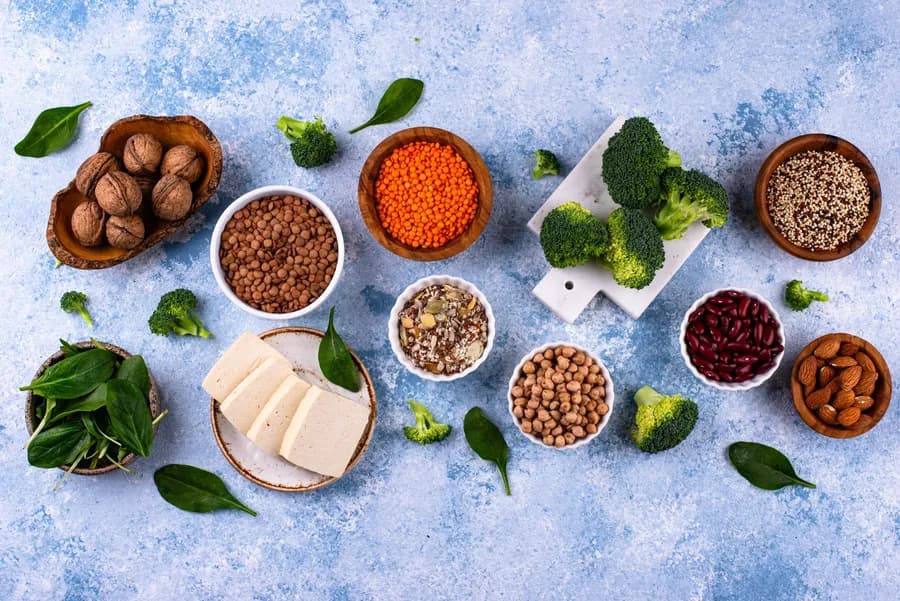
Pulses provide protein, iron, zinc, folate and fibre; whole grains add carbohydrate, fibre and B vitamins; vegetables and fruit contribute vitamin C, carotenoids, potassium and many plant compounds. Nuts and seeds bring unsaturated fats, minerals and protein. Dairy or fortified alternatives add protein, calcium and vitamin B12. No single food has everything in the right proportions, which is why a "superfood" cannot replace variety. Dal with rice or roti, for example, combines amino acids from pulses and grains into complete protein.
Absorption depends on combinations too. Vitamin C from amla, guava, capsicum or citrus helps absorb non-haem iron from beans and greens. A little fat helps absorb carotenoids and vitamins A, D, E and K. Tea or coffee with an iron-rich meal can reduce iron absorption, while soaking, sprouting and fermenting reduce phytate. These effects matter most across the whole pattern, not as rigid timing rules.
Which gaps need planning?
Vitamin B12 needs explicit attention in vegetarian and vegan diets because dependable natural sources are animal-derived. Milk and curd contribute for lacto-vegetarians, but intake varies, and vegans need fortified foods or a supplement. Vitamin D is hard to get from food, and sun exposure varies with season, skin tone, clothing and lifestyle, so testing or supplementation should follow your doctor's advice.
Iron, calcium, iodine, zinc and omega-3 fats also need thoughtful choices: pulses, tofu, seeds and vitamin C-rich produce for iron; dairy, calcium-set tofu, ragi or fortified alternatives for calcium; iodised salt in modest amounts for iodine; and flax, chia, walnuts or mustard oil for alpha-linolenic acid. Algae-based DHA and EPA supplements may suit some vegetarians.
Can symptoms reveal a gap?
Fatigue, hair loss, poor concentration, cramps and frequent infections are not nutrient diagnoses. Iron or B12 deficiency, poor sleep, stress, thyroid disease and medicines can all overlap, and taking several supplements without testing can hide the picture or create new problems. A doctor can decide which tests are appropriate.
A food diary can reveal patterns: no legumes, no B12 source, almost no calcium-rich food or very little fruit and vegetables. Fixing those repeated omissions usually helps more than chasing small numerical shortfalls in an app.
When do supplements help?
Supplements have clear roles in pregnancy planning, diagnosed deficiency, restricted diets, malabsorption and some life stages or treatments. Folic acid around conception, vitamin B12 for vegans and prescribed iron for confirmed deficiency are examples of targeted use. A broad multivitamin cannot make up for too little food, protein, fibre or sleep.
Check for overlapping products to avoid accidental excess, tell your doctor what you take, and reassess after the planned period instead of continuing out of habit. For specific nutrients, see our guides to daily protein intake, vitamin B12 vegetarian foods and vitamin D sources.
The bottom line
Nutrient adequacy comes from eating enough food, regular variety and a few deliberately planned sources. Supplements work best when they fill a recognised gap rather than compete with meals.
Editorial sources
- Healthy diet – World Health Organization fact sheet
- Dietary Guidelines for Indians – ICMR-National Institute of Nutrition
- Vitamin B12 – Consumer Fact Sheet, NIH Office of Dietary Supplements
- Multivitamin/mineral Supplements – Consumer Fact Sheet, NIH Office of Dietary Supplements
- Vitamins and minerals – NHS
Frequently Asked Questions
Related Articles
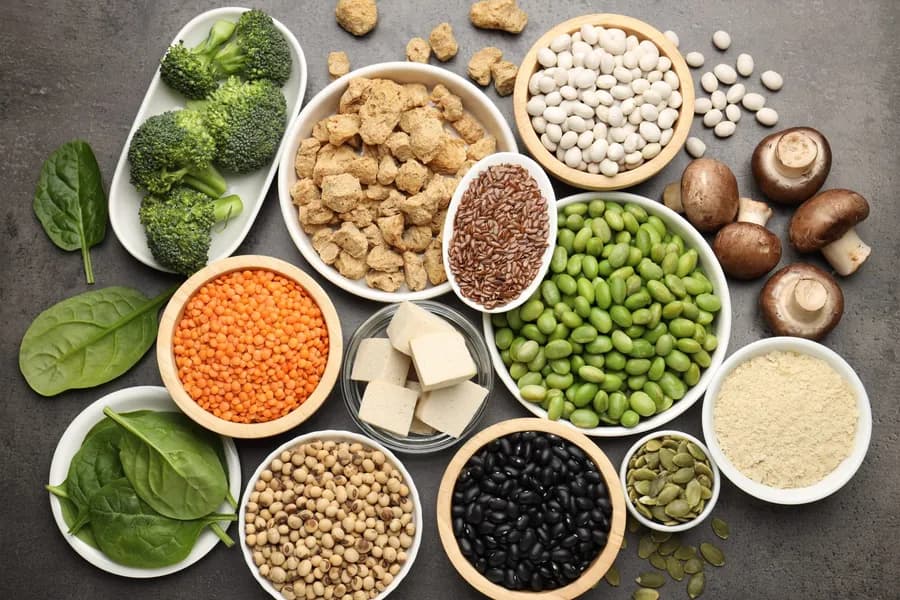
Daily protein intake: why your body needs protein every day
Daily protein intake matters because your body uses protein every day for repair, recovery and daily function. Learn simple vegetarian protein habits.


Vegan Diet: Nutrients, Meal Planning and Common Mistakes
How to plan vegan meals that cover B12, calcium, iodine, iron, omega-3 and protein, with a sample Indian day and mistakes to avoid.
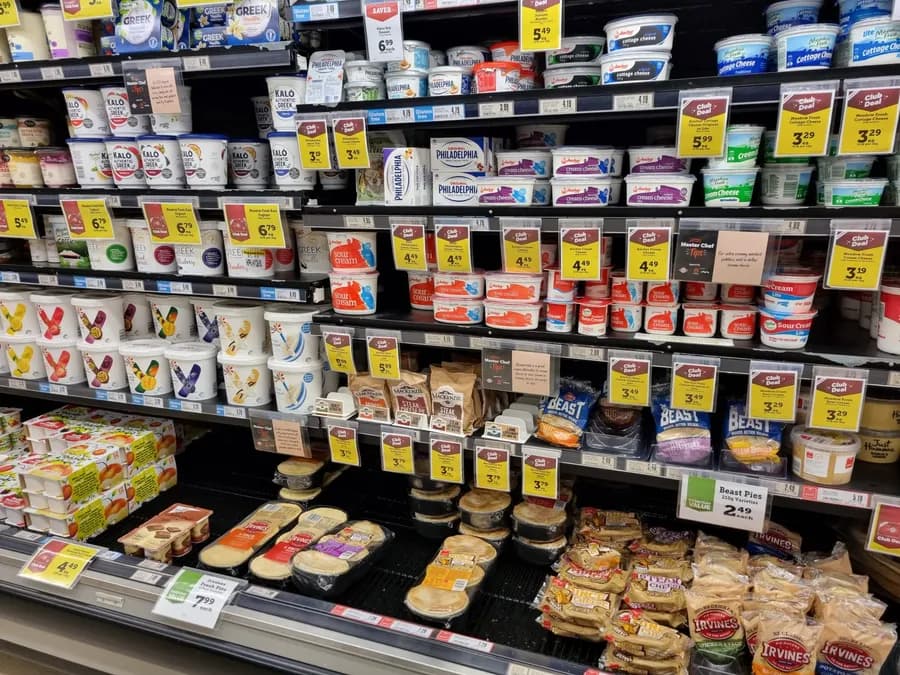
Vitamin B12 Foods Vegetarian Diets Are Often Missing — And Where to Find Them
B12 is made only by bacteria and doesn’t occur naturally in any plant food — a real gap in most vegetarian diets. See where vegetarians can reliably find.
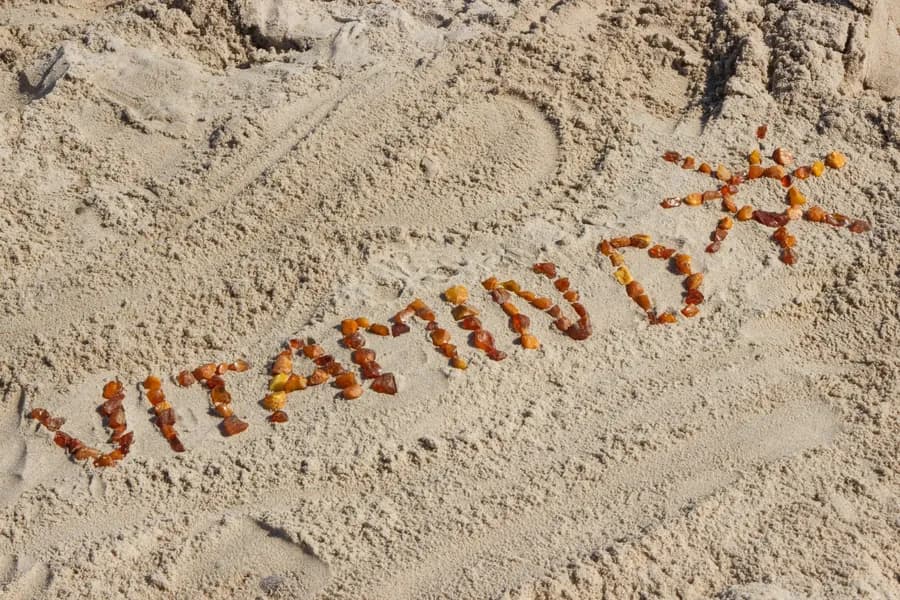
Vitamin D: Sources, Deficiency and Safe Supplement Use
A simple guide to vitamin D sources, sunlight exposure, deficiency testing, supplement safety and practical daily habits to try.
Iron rich foods need protein: 1/4th plate habit
Eating iron rich foods is important, but protein helps your body use iron better. Learn the 1/4th plate protein habit with simple vegetarian foods.
