
Estrogen Rich Foods: What Phytoestrogens Can and Cannot Do
So-called estrogen rich foods contain plant phytoestrogens, not human estrogen. Learn what soy, flax and sesame can realistically do.
Key Takeaways
- Foods contain phytoestrogens such as soy isoflavones and flax lignans, not human estrogen.
- Soy may modestly ease hot flushes for some women, but results are inconsistent.
- Try soy or flax daily for two to three months to judge any effect on symptoms.
- Soy foods are considered safe, including for many breast cancer survivors.
- Food cannot diagnose low estrogen or replace hormone or thyroid treatment.
The phrase "estrogen rich foods" usually refers to plant foods containing phytoestrogens. These compounds can interact with estrogen receptors, but they are not the same as the estrogen your body makes or the hormone used in prescribed treatment. Soy, flaxseed and sesame are familiar examples, and their effects are more complex than simply raising a hormone level. For a broader look at eating for hormone health, see Habuild's guide to vegetarian foods that support hormone health.
What are phytoestrogens?
The two best-known types are isoflavones, found mainly in soybeans, and lignans, found in flaxseed and in smaller amounts in sesame and whole grains. Their effects depend on the tissue, the dose, a person's gut bacteria and their hormonal stage. That is why "boosting estrogen" is an oversimplification.
Main food sources
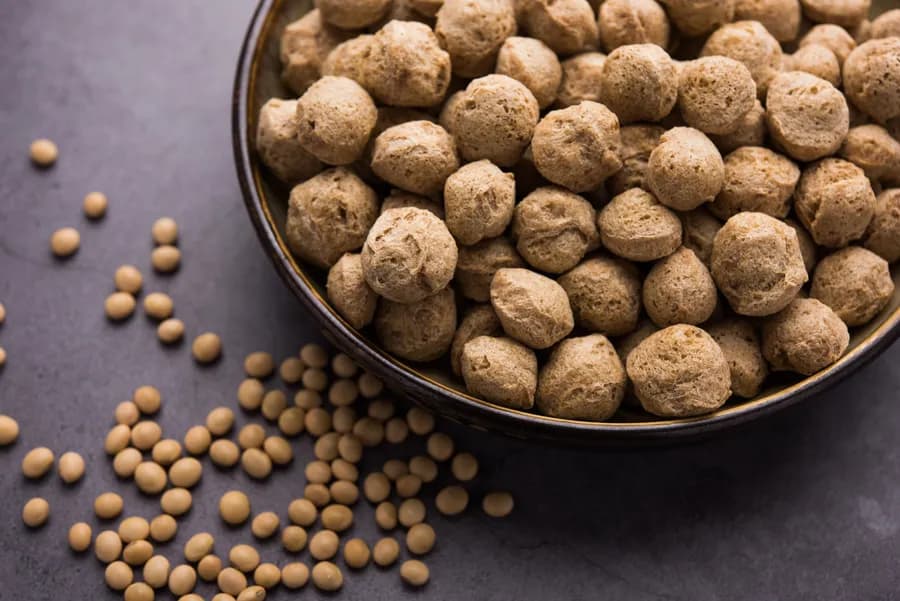
- Soy foods: tofu, tempeh, soy chunks, edamame and unsweetened soy milk provide isoflavones along with protein. Our guide to soybean nutrition covers portions and preparation.
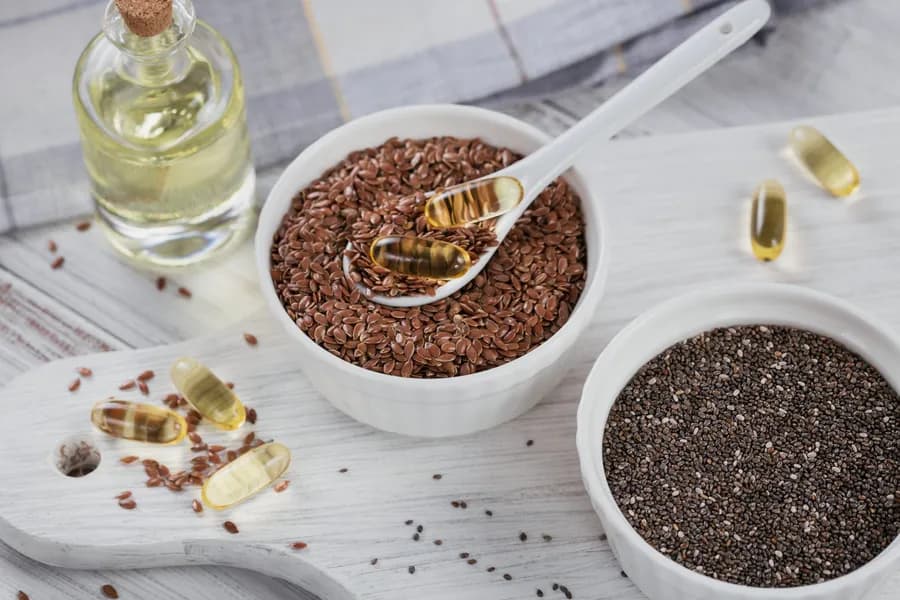
- Flaxseed: ground flax provides lignans, fibre and plant omega-3 (ALA). Flax oil contains the fat but not the same fibre and lignan profile.
- Sesame: adds smaller amounts of lignans and works well in chutneys and vegetable dishes.
- Pulses and whole grains: contribute small amounts alongside fibre and protein.
What can phytoestrogen foods do?
Menopause symptoms
Evidence is mixed. NCCIH reports that soy isoflavones may reduce how often and how severely hot flushes occur, but the effect may be small and results have been inconsistent. The British Dietetic Association suggests that anyone wanting to try them should include phytoestrogen foods daily, as part of a balanced diet, for at least two to three months before judging whether they help.
What food cannot do
A food list cannot tell you whether your estrogen level is low. Irregular periods can have many causes, including pregnancy, thyroid problems, weight change and polycystic ovary syndrome. Food also does not replace menopausal hormone therapy, thyroid treatment, fertility care or bone-protecting medicines. Avoid "hormone balance" powders whose contents and interactions are unclear.
Easy ways to include them
- Tofu in a vegetable bhurji or stir-fry.
- Soy chunks in a mild curry.
- Unsweetened fortified soy milk with oats; check calcium and vitamin B12 if it replaces dairy.
- A spoon of freshly ground flaxseed stirred into curd, porridge or roti dough.
- Sesame in chutney or sprinkled over vegetables.
Start with familiar portions if soy or pulses cause gas, and add flax gradually with enough fluid. Whole flaxseeds may pass through the gut largely intact, so grind them.
Support the bigger picture
Falling estrogen speeds up bone loss, so menopause nutrition needs more than phytoestrogens. Include calcium-rich foods daily, check vitamin D, eat enough protein, and do regular weight-bearing and strength exercise. Caffeine, alcohol and spicy food can trigger hot flushes for some women. Avoid restrictive "hormone diets": eating too little can itself disturb periods. Our guide to vitamins for hormone balance covers key micronutrients.
Safety and when to get advice
Soy foods are generally considered safe, including for many people with a history of breast cancer, according to the American Cancer Society. Concentrated isoflavone supplements are different: they deliver larger doses and need medical advice, especially in pregnancy, with hormone-sensitive conditions or during cancer treatment. People with soy allergy should avoid soy whatever the hormone claims. If you take thyroid medicine, ask your pharmacist about consistent timing around meals.
See a doctor for very heavy bleeding, bleeding after menopause, a new breast lump, severe pelvic pain or symptoms that disrupt daily life.
Editorial sources
Frequently Asked Questions
Related Articles
Vegetarian Foods That Support Hormone Health
No single food balances hormones, but a varied vegetarian diet supplies what the body needs. Here is how to build it, plate by plate.

Soybean Nutrition: Protein, Uses and Safety
Soybeans provide high-quality plant protein, fibre, unsaturated fat, iron and other nutrients.


Vitamins to Balance Hormones for Females: What Actually Helps
‘Hormone balance’ gets used loosely in marketing, but B vitamins, magnesium, omega-3s, and vitamin D do support the systems involved in hormone.
Chia Seed Versus Flaxseed: Which Superfood Seed Wins?
Chia and flaxseed are both strong nutritional choices, but they differ in one crucial way — how your body actually digests and absorbs them. See the full.