
Ferrous Sulfate Tablets: Uses, Dosing and Side Effects
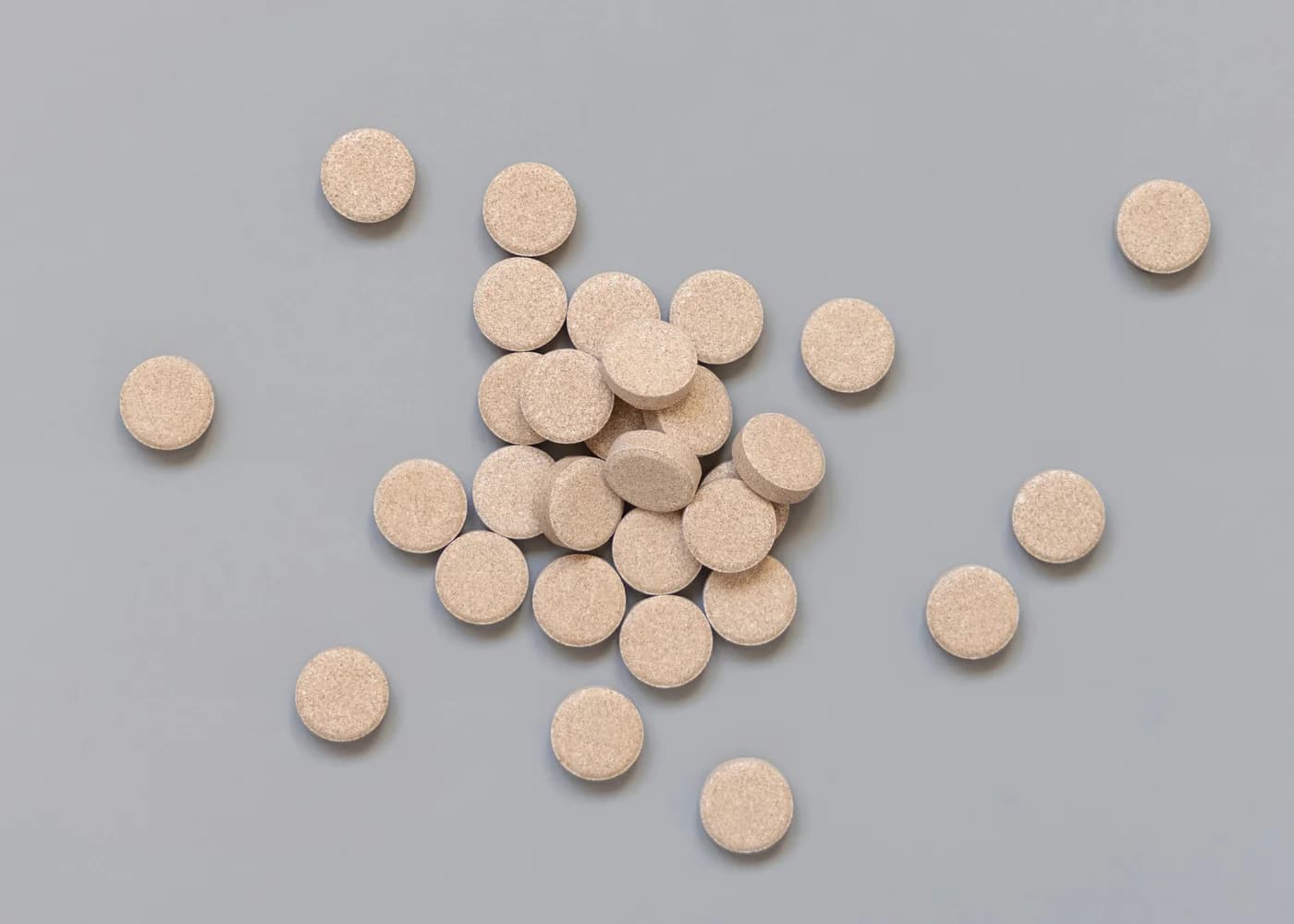
Ferrous sulfate is an iron medicine used to prevent or treat iron deficiency when clinically appropriate.
Key Takeaways
- Ferrous sulfate is an iron medicine used to prevent or treat iron deficiency when appropriate.
- It helps when iron deficiency is present; dose and duration depend on blood tests and tolerance.
- Tea, coffee, calcium and antacids can reduce absorption, so ask how to space your doses.
- Iron overdose can be fatal in children, so keep tablets in child-resistant packs, out of reach.
Ferrous sulfate is an iron medicine used to prevent or treat iron deficiency when clinically appropriate. It is not a cooking ingredient or a general energy booster. This guide examines ferrous sulfate with practical context and without exaggerated promises.
Before making decisions about ferrous sulfate
Treatment works when iron deficiency is present, but the dose and duration depend on blood tests, cause, age and tolerance. Finding ongoing blood loss or poor absorption is essential.
Ferrous sulfate is one of the oldest, most widely used and least expensive iron salts. In India, it is commonly found in iron and folic acid tablets given during pregnancy and through public health programmes, as well as in prescribed iron preparations. Labels may state the amount of ferrous sulfate or the amount of elemental iron, which is not the same figure, so follow the prescriber's instructions rather than comparing numbers between packs.
Where claims about ferrous sulfate come from
Oral iron such as ferrous sulfate is a well-established treatment for iron-deficiency anaemia. Haemoglobin usually begins to rise within a few weeks when the diagnosis is correct and the tablets are taken regularly, but rebuilding the body's iron stores takes longer, which is why treatment often continues for some time after blood counts improve.
Iron tablets do not help anaemia that has a different cause, such as vitamin B12 or folate deficiency, or inherited conditions like thalassaemia trait. In those situations, taking iron without testing can delay the right treatment and, for some people, add to iron overload. Claims that iron tablets boost energy, hair growth or stamina in people with normal iron levels are not supported.
If you are considering ferrous sulfate
- Take exactly as prescribed or directed.
- Ask how to separate it from tea, coffee, calcium, antacids and some medicines.
- Store tablets away from children.
- Attend recommended follow-up blood tests.
Ferrous sulfate tablets can reduce the absorption of some medicines, including thyroid tablets and certain antibiotics, and acid-reducing medicines may reduce iron absorption. Tell the doctor or pharmacist about every medicine and supplement you take so they can plan the timing.
Product quality and safe use
Buy iron tablets from a licensed pharmacy and check the label for the iron salt, strength and expiry date. Multivitamins, "blood tonics" and fortified products may also contain iron, so taking several at once can add up to more than intended. People with haemochromatosis or another iron-overload condition should not take iron unless a specialist advises it.
Possible drawbacks and warning signs
Common effects include nausea, constipation, abdominal discomfort and dark stools. Iron overdose can be fatal, especially in children. Seek advice for severe pain, vomiting, allergic symptoms or suspected overdose.
Stomach upset is the most common reason people stop iron early. Rather than stopping without telling anyone, speak to the prescriber, who may change the timing, the dose pattern or the type of iron. Some clinicians now prescribe iron on alternate days for people who struggle with daily doses.
Taking ferrous sulfate correctly
Use the dose and schedule on the prescription or dispensing label. Iron is often absorbed better away from food, but nausea or stomach pain may make a clinician recommend taking it with or after a meal. Tea, coffee, calcium supplements and some medicines can reduce absorption when taken close together. Do not invent a separation schedule: a pharmacist can check the exact products and explain the safest timing.
Expected side effects and practical adjustments
Constipation, nausea, abdominal discomfort and darker stools are common. Drinking enough fluid, eating fibre-rich foods and discussing an alternative formulation or schedule may help. Do not double the dose after forgetting one unless the medicine instructions specifically say so. Black stools can be expected with iron, but tarry stools, visible blood, severe pain, repeated vomiting or feeling faint requires medical advice.
Why tests and follow-up matter
Tiredness alone does not diagnose iron deficiency. A blood test can confirm anaemia and help investigate its cause, such as heavy menstrual bleeding, low intake, pregnancy or gastrointestinal blood loss. Ferrous sulfate tablets replace iron, but they do not correct the reason it was lost. Repeat testing helps show whether treatment is working and whether iron stores have recovered. Continue for the advised duration rather than stopping as soon as energy improves.
Preventing accidental poisoning
Iron tablets can be extremely dangerous to children. Keep them in their original child-resistant packaging, locked away and out of sight. Never describe them as sweets. Seek urgent poison-control or emergency advice after a suspected accidental ingestion rather than waiting for symptoms. Ferrous sulfate tablets are medicines - not cooking ingredients, general tonics or supplements to share with someone who has similar symptoms.
Storage and sticking with treatment
Keep tablets dry and in the supplied container; bathroom humidity and pill organisers accessible to children are poor choices. Check the expiry date and do not use someone else's leftover prescription. If side effects make adherence difficult, contact the prescriber rather than quietly stopping or taking irregular doses. Several iron salts and formulations exist, and a supervised change may be easier to tolerate while still treating the confirmed deficiency.
Food still has a supporting role
Iron-rich foods remain useful during treatment, but food cannot always replace the amount supplied by ferrous sulfate tablets when deficiency is established. Vegetarian options include lentils, beans, soy foods, sesame and fortified cereals; pairing them with vitamin-C-rich foods may improve non-haem iron absorption. Avoid taking extra iron from several products unless advised, because multivitamins and tonics may overlap. Tell the clinician about all supplements. Ferrous sulfate tablets should be reviewed against symptoms, blood results and the underlying cause - not continued indefinitely simply because they were once prescribed.
Editorial sources
Frequently Asked Questions
Related Articles

Iron Deficiency : Symptoms, Tests, Causes and Treatment
Iron deficiency can cause tiredness, weakness, breathlessness, headaches, palpitations, poor concentration, restless legs or pica, but symptoms…


Vegetarian protein: needs, myths and meal planning
Vegetarian meals can provide enough protein. Learn practical needs, simple Indian food sources, common myths and an easy meal-planning method.

High-Fibre Foods: Simple Indian Meal Ideas
Find high-fibre Indian foods, easy meal ideas, gradual intake tips and practical advice for constipation and daily health.