
Flaxseed Benefits, Nutrition, Uses and Safety
Flaxseed provides fibre, alpha-linolenic acid and lignans. Grinding helps release nutrients; whole seeds may pass through the gut relatively intact.

Key Takeaways
- Flaxseed provides fibre, alpha-linolenic acid and lignans.
- Regular intake may modestly help bowel regularity and some heart markers, but it is not a treatment.
- Ground flaxseed releases nutrients more readily than whole seed; the oil has little or no fibre.
- Start with a teaspoon of ground seed in food, increase gradually and drink adequate fluid.
Flaxseed provides fibre, alpha-linolenic acid and lignans. Grinding helps release nutrients; whole seeds may pass through the gut relatively intact. This guide examines flaxseed benefits with practical context and without exaggerated promises.
What matters most about flaxseed
Regular intake may modestly influence bowel regularity and some cardiovascular markers, but it is not a treatment. Plant ALA is not equivalent to marine EPA and DHA. Before applying the result, confirm that the studied form of flaxseed resembles the version used in daily life.
Evidence, uncertainty and flaxseed benefits
Evidence for flaxseed is most convincing when independent human studies examine the same preparation and reach similar conclusions. Small trials can be informative without being final. When methods or results differ, uncertainty should be stated plainly rather than hidden behind words such as proven or clinically tested.
A useful question is what role flaxseed benefits could realistically play. For a food, that may mean contributing nutrients or replacing a less suitable choice. For a product or remedy, it means defining the intended outcome before use. Neither situation supports a promise to prevent, cure or reverse disease.
Cooking and pairing flaxseed
- Start with one teaspoon of ground flaxseed.
- Add to oats, curd or atta.
- Increase gradually with adequate fluid.
- Store ground seeds airtight in a cool place.
Keep the use of flaxseed benefits simple enough to evaluate. A modest starting point makes it easier to notice digestive, skin, sleep or energy changes without confusing them with several new habits. Stop and reassess if the choice displaces balanced meals or creates persistent symptoms.
How preparation changes flaxseed
With flaxseed, portion and pairing matter more than a rigid spoon or cup rule. Combining it with vegetables, pulses, dairy, eggs or another appropriate protein can make a more complete meal. Check packaged versions for salt, sugar and allergens instead of relying on front-label claims.
Safety considerations for flaxseed benefits
Rapidly increasing fibre can cause gas or diarrhoea. Dry spoonfuls may create a choking risk. Seek advice with bowel narrowing, swallowing problems, pregnancy or medicines affected by fibre or bleeding risk.
Keep expectations for flaxseed proportional to the evidence. People taking regular medicines or preparing for surgery should disclose supplements and herbal products. Children and pets also need protection from concentrated products and accidental ingestion.
Whole versus ground flaxseed
Whole flaxseeds may pass through the digestive tract with limited breakdown, while freshly ground seeds make their nutrients easier to access. Grind a small quantity and store it sealed in the refrigerator, or buy milled flaxseed in packaging that protects it from heat and light. Flaxseed oil supplies ALA omega-3 fat but little or no fibre, so it is not nutritionally interchangeable with the seed.
Fibre, fluids and gradual use
Flaxseed contains soluble and insoluble fibre. Start with a small amount and increase gradually while drinking adequate fluid; a sudden large serving can cause bloating, gas or loose stools. Mix ground flaxseed into oats, curd, dough or a smoothie rather than swallowing dry spoonfuls. Fibre can support bowel regularity, but persistent constipation, bleeding, pain or unexplained weight loss needs medical assessment.
Understanding the omega-3 claim
Flaxseed provides alpha-linolenic acid, or ALA. The body converts only a limited proportion to the longer-chain omega-3 fats found in fish and algae. This still makes flax useful in a vegetarian pattern, but it should not be described as identical to fish oil or as a treatment for heart disease. Flaxseed benefits depend on the whole diet and the food it replaces.
Medicines and safety
Fibre can affect how some oral medicines are absorbed, so a pharmacist can advise on timing. People with swallowing difficulty, bowel narrowing, pregnancy concerns or regular anticoagulant or diabetes treatment should ask for individual guidance before using large or concentrated amounts. Flaxseed benefits do not increase through raw, unmeasured doses. A modest amount of ground seed used consistently in food is the most practical approach.
Everyday preparation and storage
A practical starting amount is often one or two teaspoons of ground seed mixed into food, although individual tolerance and professional advice come first. The seeds absorb water and thicken dishes, which can be useful in porridge or baking. They are not a reliable one-for-one egg replacement in every recipe, and a flax “egg” does not provide the same protein or micronutrients as an egg. Brown and golden varieties have broadly similar uses; colour is not a measure of medicinal strength. Flaxseed benefits do not require roasting heavily or drinking seed water. Avoid eating large amounts of immature raw seed, and do not use concentrated lignan or oil supplements as if they were normal food portions. Smell ground seed before use and discard it if rancid. Flaxseed benefits are easiest to obtain when a small portion fits familiar meals, fluid intake is adequate and the rest of the diet includes varied protein, vegetables, fruit and grains. If fibre worsens persistent symptoms, stop and investigate rather than continuing because the food is labelled healthy. Keep the grinder and storage container clean and dry. Date the container so older ground seed is used first.
Use it as part of food, not as a cure. Flaxseed benefits should remain practical and proportionate.
Editorial sources
Frequently Asked Questions
Related Articles
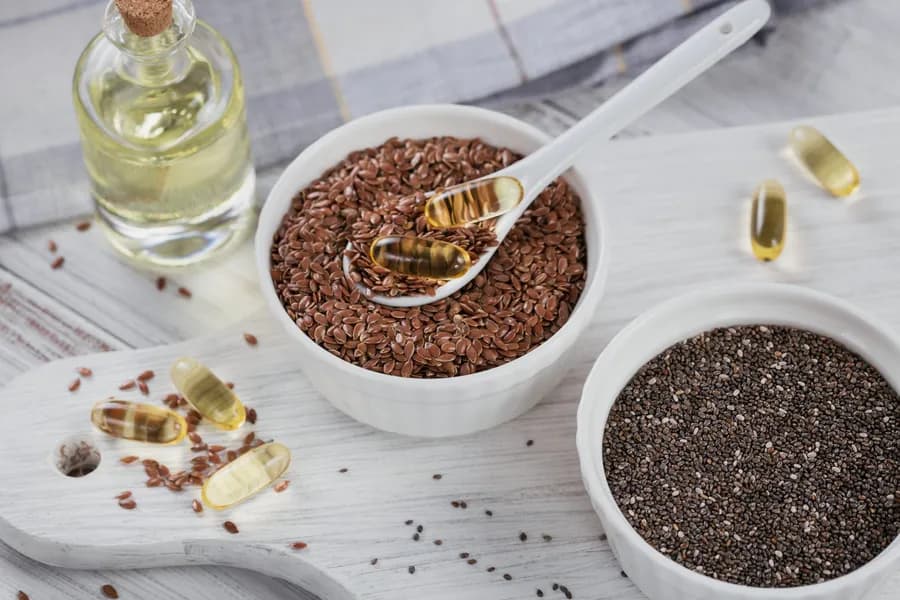
Chia Seed Versus Flaxseed: Which Superfood Seed Wins?
Chia and flaxseed are both strong nutritional choices, but they differ in one crucial way — how your body actually digests and absorbs them. See the full.


Vegetarian protein: needs, myths and meal planning
Vegetarian meals can provide enough protein. Learn practical needs, simple Indian food sources, common myths and an easy meal-planning method.

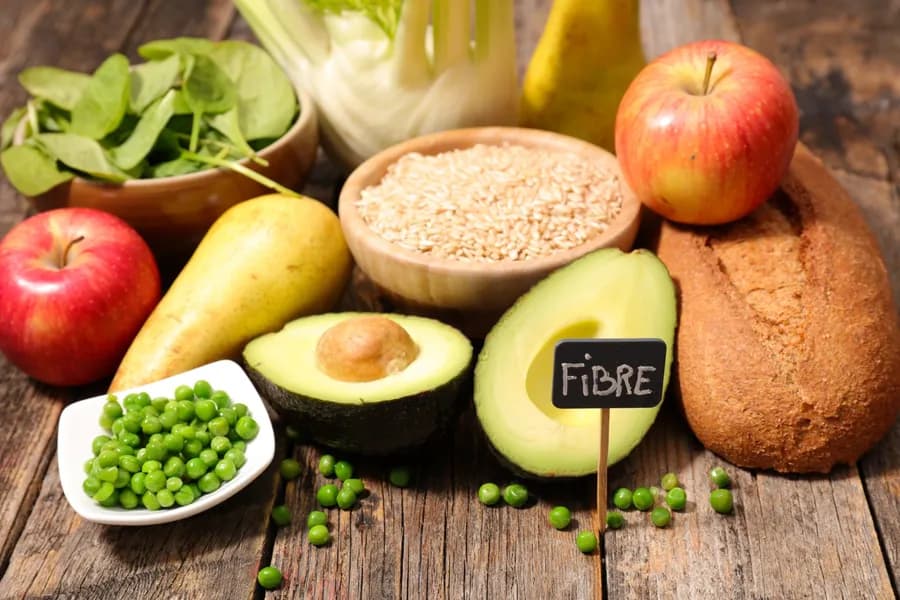
High-Fibre Foods: Simple Indian Meal Ideas
Find high-fibre Indian foods, easy meal ideas, gradual intake tips and practical advice for constipation and daily health.