
Foods to Limit in Kidney Disease: There’s No One Size Fits All
There is no single list of foods that are bad for kidneys. What you should limit depends on your kidney function, test results and other conditions.
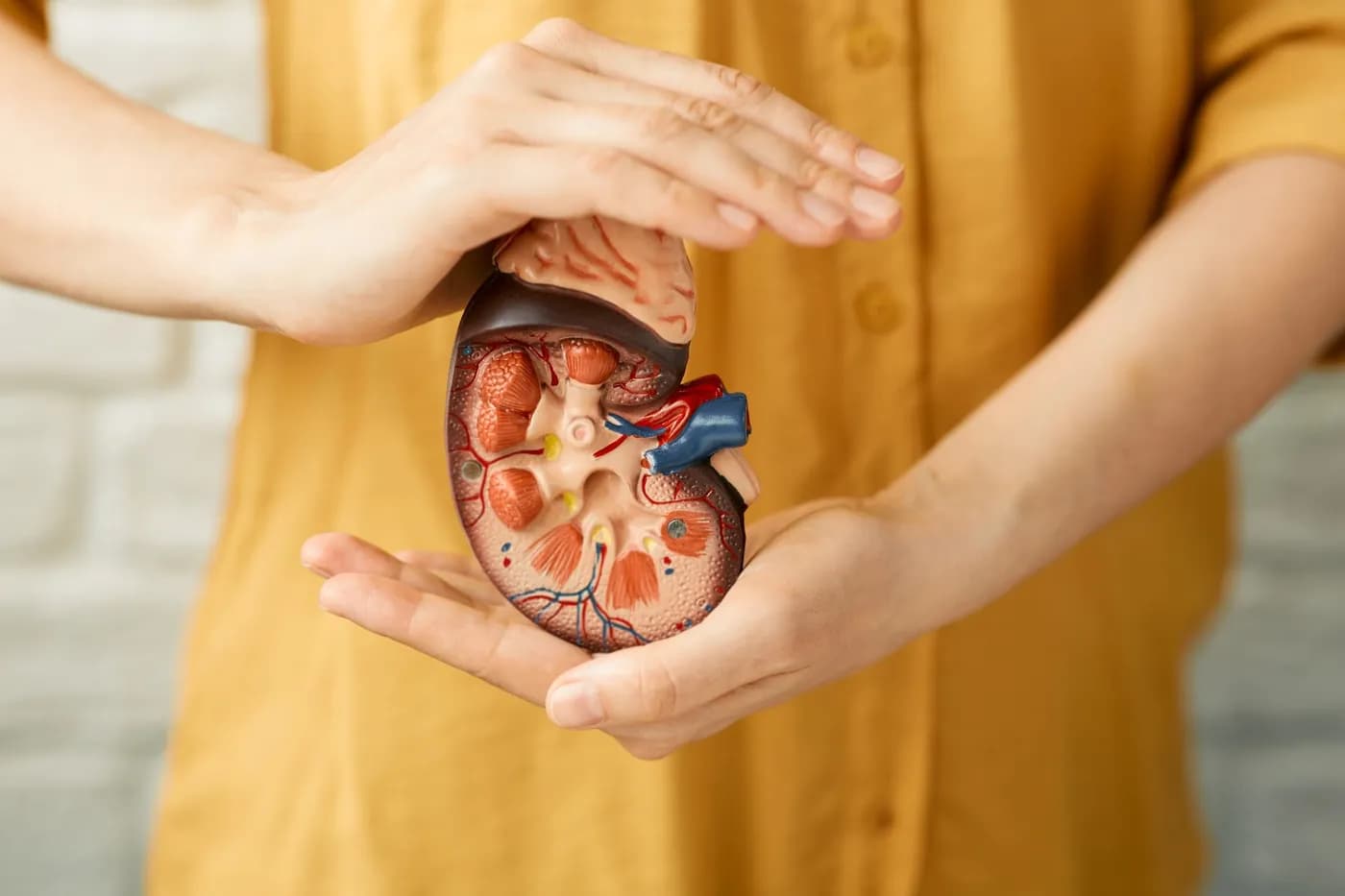
Key Takeaways
- Kidney diet limits depend on your test results and stage of disease.
- Cutting salt is the first step for most people with kidney disease.
- Potassium and protein limits are individual, not universal.
- Avoid herbal detox teas and follow your kidney care team's advice.
If you or someone in your family has kidney disease, you’ve probably heard a long list of “foods to avoid”. One person says no bananas, another says no dal, and a third says cut all protein. It’s confusing, and a lot of it is wrong for your situation. The truth is that there’s no single list of foods that are bad for kidneys. Here’s what really matters and how to approach it.
Why a copied diet can backfire
What you should limit depends on how well your kidneys are working, your latest blood tests, your medicines, whether you’re on dialysis and any other conditions, like diabetes or high blood pressure. Two people with kidney disease can need very different diets.
So please don’t copy a diet chart from a relative, a neighbour or a video. Something that’s essential for one person can be unnecessary, or even harmful, for another. A renal dietitian can adjust portions and swaps to your own results and your own kitchen.
Salt comes first
Cutting down sodium helps many people with kidney disease. Too much salt can raise blood pressure, cause swelling and make you thirstier. Hidden sources are often the problem, more than the salt shaker:
- Packaged snacks and namkeen
- Instant noodles and ready-to-eat foods
- Pickles and papad
- Sauces, ketchup and masala mixes
- Restaurant and street food
Cooking at home gives you the most control. Use less salt gradually, and build flavour with lemon, herbs, jeera, pepper and other spices instead. Your taste buds adjust faster than you’d think. Kidney health and blood pressure go hand in hand, so our guide on how to control high BP is a useful read too.
Potassium: not for everyone
Potassium is a mineral in many nutritious foods, such as bananas, potatoes, tomatoes, coconut water and dried fruit. When kidneys can’t clear it well and blood potassium runs high, your doctor may ask you to limit certain foods.
But a limit is not required for everybody with kidney disease. Many people can eat these foods without trouble, so don’t cut them out just because someone online said to. Let your blood test results guide that decision.
One thing to watch for is salt substitutes. Many “low sodium” salts swap sodium for potassium, which can be risky if your potassium is high. Don’t use them unless your doctor or dietitian has approved it.
Phosphorus and hidden additives
Phosphorus is another mineral that may need attention when kidney function drops. Cola drinks, processed cheese and other packaged foods that contain phosphate additives can add to your intake without you realising.
You can often spot them on the label. Look for ingredients with “phos” in the name, like phosphoric acid or sodium phosphate. Whether you need to limit phosphorus, and by how much, depends on your own tests, so ask your care team rather than guessing.
Protein: neither too much nor too little
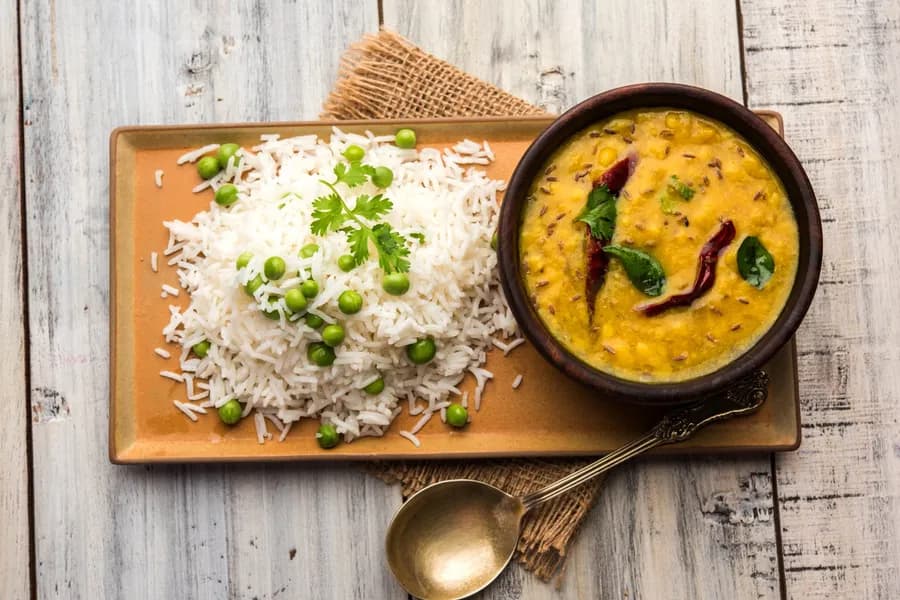
Protein is one of the most confusing parts of a kidney diet, and one of the easiest to get wrong. Needs are different before dialysis and during dialysis. Some people need to be careful about how much they eat, while others need enough to avoid losing muscle.
Cutting protein on your own can lead to weakness and malnutrition. Please don’t decide this alone. Ask your doctor or dietitian for a personal target, and ask how to fit it into vegetarian meals with dal, curd, paneer or tofu if that’s how you eat.
Read the label, then read your results
Make a habit of checking packaged food for sodium and for ingredients with “phos” in them. Then match what you read with your latest blood reports and your care team’s advice.
This is better than avoiding whole food groups by default. Fruits, vegetables, pulses and grains are healthy for most people, and cutting them out without a reason can leave your meals short on nutrition. If your reports change, your diet advice may change too, so keep your follow-ups.
Fluids and swelling
Some people with kidney disease need to watch how much fluid they drink, especially in later stages or on dialysis. Others don’t. This is also very personal, and a doctor should tell you which one applies to you. If you notice sudden swelling in your feet or face, or breathlessness, get medical help rather than adjusting fluids on your own.
Diabetes and kidneys
High blood sugar over many years is a common cause of kidney damage, so managing it matters. If you have diabetes, keep up with your medicines, checks and follow-ups. For everyday habits that support steady sugar levels, read our article on how to control sugar naturally.
Skip the detox teas
Some herbal “kidney cleanses” and detox products are sold with big promises, but nothing cleans your kidneys. Your kidneys are already the body’s filters. Some herbal products can actually injure them, and many interact with medicines.
Please talk to your doctor before taking any herbal remedy, powder or supplement, especially if you have kidney disease. For what really supports your body, see our guide on how to detox your body naturally.
A simple way to start
Before changing anything big, try this:
- Bring your latest blood test results to your doctor or dietitian.
- Ask which nutrients, if any, you actually need to limit.
- Look at your usual meals for hidden salt, like pickles, papad and packaged snacks.
- Make one change at a time, and keep a note of how it goes.
A relaxed walk if your doctor approves it, and a gentle online yoga class, can help with stress and wellbeing alongside your treatment. For more reading, browse our Habitology health guides.
A simple habit to try
Pick one small change, like cutting down on one salty packaged snack, and keep it up for two weeks. Notice how you feel and how easy it is. Keep it only if it’s safe and useful for you, and talk to your care team before making bigger changes.
Editorial sources
Frequently Asked Questions
Related Articles

Salt Intake: Hidden Sodium, Daily Limits and How to Cut Back
Most sodium comes from packaged foods, pickles and restaurant meals, not just the shaker. Learn the daily limit and easy ways to cut back.

Kidney Detox Foods That Support Healthy Kidney Function
Your kidneys already filter around 150 litres of blood a day on their own — certain foods just make that job easier. See what actually supports healthy.
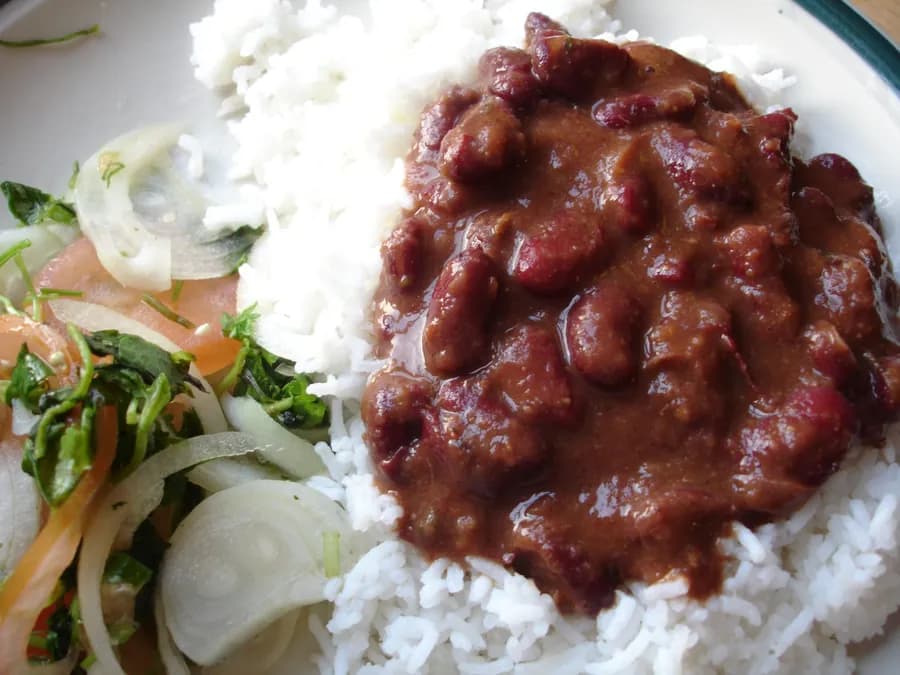
Rajma Benefits: Nutrition, Protein, and Health Value of Kidney Beans
Rajma is one of the more accessible plant proteins in an Indian kitchen, packed with fibre, iron, and folate — not just a Sunday lunch comfort food. See.

High BP Diet: Foods That Naturally Help Manage Blood Pressure
A high BP diet cuts excess sodium, adds potassium-rich whole foods, and reduces processed items — working alongside medication, not instead of it. See.