
Salt Intake: Hidden Sodium, Daily Limits and How to Cut Back
Most sodium comes from packaged foods, pickles and restaurant meals, not just the shaker. Learn the daily limit and easy ways to cut back.
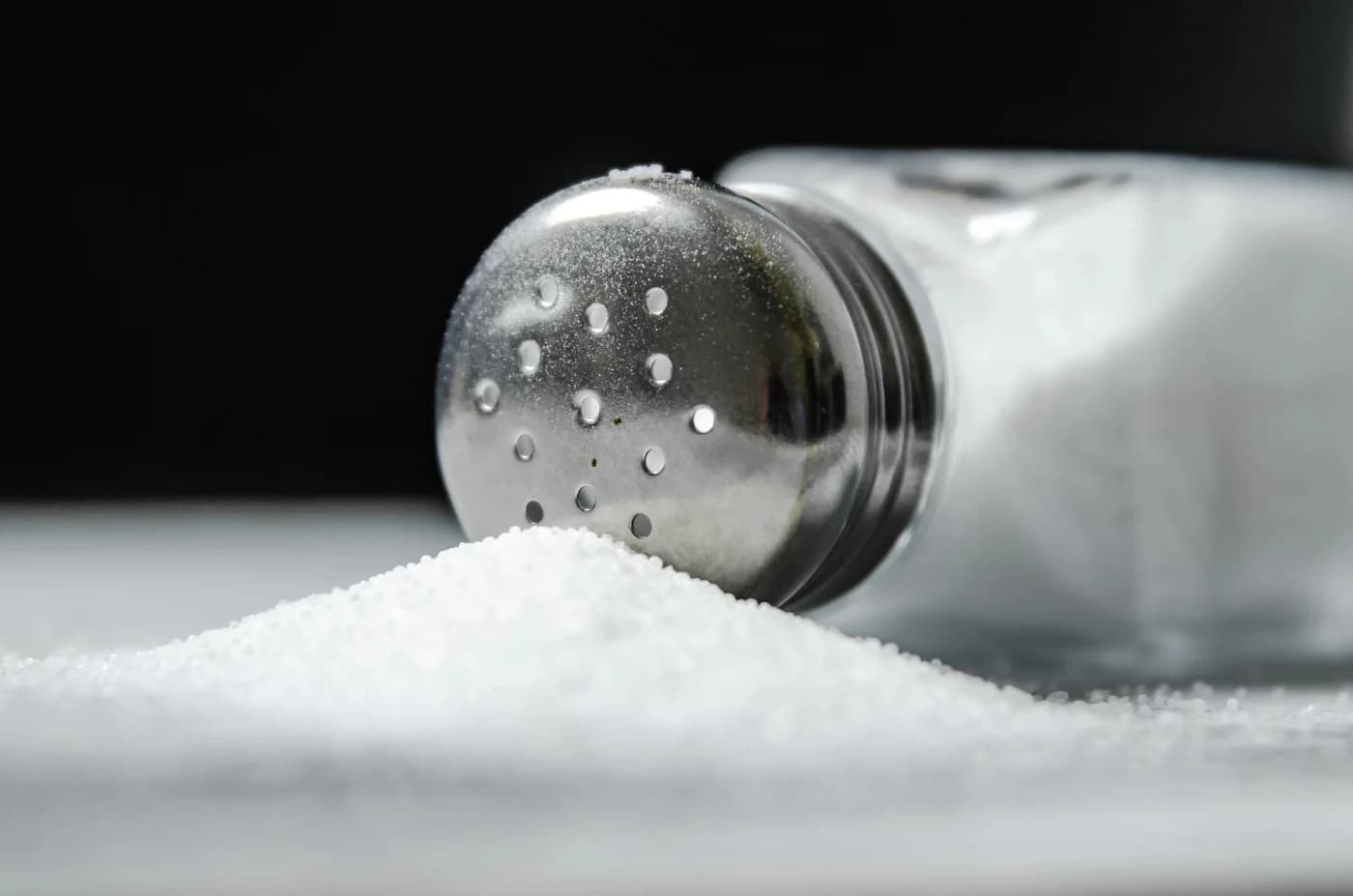
Key Takeaways
- WHO advises adults to keep sodium under 2,000 mg a day, i.e. less than 5 g of salt.
- One teaspoon of salt holds roughly 2,300 mg of sodium, about a full day's limit.
- Bread, namkeen, pickles, sauces and instant noodles add sodium quickly.
- Potassium-based low-sodium salt can be unsafe with kidney disease or some BP medicines.
- Keep iodised salt as the default; pink, black and sea salts are not lower in sodium.
Salt makes food enjoyable, and the body needs a small amount of sodium. The problem is that sodium builds up across the day from packaged snacks, sauces, pickles, bread and restaurant meals as well as the salt shaker. This guide explains how much is too much and how to cut back without making meals bland.
Salt, sodium and iodine are not the same thing
Table salt is mainly sodium chloride. Sodium helps nerves, muscles and fluid balance, but too much can raise blood pressure in many people. About one teaspoon of table salt contains roughly 2,300 mg of sodium, although crystal and spoon size vary.
Iodised salt also supplies iodine, which the thyroid needs. Pink, black, sea and rock salts are not automatically healthier and may contain little iodine (see our guide to pink salt). For everyday cooking, a modest amount of iodised salt is usually the practical choice, alongside other iodine-rich foods.
The salt shaker is only part of the picture
Bread, namkeen, instant noodles, cheese, sauces, chutneys, pickles and ready meals can add sodium quickly. Compare similar products using sodium per 100 g, then check how much you actually eat. A food does not need to taste extremely salty to contribute a lot.
Low-sodium salt often replaces some sodium with potassium. That can be unsuitable for people with kidney disease or those taking certain heart or blood-pressure medicines. Ask a clinician or pharmacist before switching.
Make food less salty without making it bland
Reduce salt gradually so your palate has time to adjust. Lemon, amchur, ginger, garlic, roasted cumin, chilli, pepper and fresh herbs can make a dish taste complete. Taste before adding salt at the table, and serve pickles or papad as small accompaniments rather than defaults.
Do not aim for zero sodium unless your medical team has given you a specific plan. Vomiting, diarrhoea, heavy sweating and some medicines can change sodium needs. Swelling, breathlessness, dizziness or a sudden blood-pressure change needs proper assessment.
A realistic daily limit
The World Health Organization recommends that adults keep sodium below 2,000 mg a day, equal to less than 5 g of salt from all sources. This is a population guideline, not a demand to calculate every grain. The useful lesson is that a full teaspoon of salt already reaches roughly a day's upper limit before packaged and restaurant foods are counted.
Children need less because their bodies and portions are smaller. Instead of cooking completely separate food, keep the family dish moderately salted and limit highly salty extras. People who have been given a medical sodium target should follow that target, as it may be stricter than general guidance.
How to read food labels
Packages may list sodium per serving and per 100 g. Use the per 100 g number to compare similar foods, then check whether the stated serving resembles what you eat. A soup packet may look moderate per serving even though the packet contains two servings and you eat all of it.
Terms such as sea salt, mineral salt and Himalayan salt describe the source or appearance, not a major sodium advantage. Trace minerals occur in amounts too small to change the health effect. Reduced-sodium does not mean sodium-free, and a product can still be salty when eaten in a large portion.
Salt, sweat and hydration
A normal walk or yoga class usually does not require a sports drink or extra salt. Water and regular meals replace ordinary losses for most people. Prolonged strenuous exercise in heat is different, and athletes may need an individual hydration plan. Copying an athlete's electrolyte routine on a sedentary day can add unnecessary sodium and sugar.
Do not use thirst, ankle swelling or a single scale reading to diagnose a sodium problem. Salt can temporarily change water retention, but those signs have many possible causes. After a salty day, return to regular meals rather than fasting or deliberately dehydrating yourself.
Cooking for a household with different needs
When one family member needs less sodium, cook the shared dish with a moderate amount and let others add flavour at the table with lemon, herbs or a separate accompaniment. Measure the salt used in a familiar recipe once; many households discover that habitual pinches add more than expected.
Pickles, papad, chutney, cheese and packaged sauces can all fit occasionally, but serving several together concentrates sodium. Choose one salty accompaniment rather than putting all of them on the table. Rinse canned beans or vegetables when appropriate, and compare bread, breakfast cereal and snack brands, because everyday foods can differ substantially.
Taste adapts. Food may seem flat during the first week of reduction, then natural flavours become easier to notice. A sustainable reduction across months is more useful than a few unpleasant salt-free days followed by a return to old habits.
What improvement can look like
Success may look like buying a lower-sodium bread, using less packaged seasoning, choosing one pickle instead of three salty sides or no longer salting food before tasting it. These changes reduce repeated exposure without turning meals into a calculation exercise.
Blood pressure may improve with lower sodium, but the response varies and medicine should not be stopped without advice. Track readings the way your clinician recommends. For other everyday habits, see how to maintain blood pressure and the DASH diet chart.
Keep iodised salt as the household default unless you have been advised otherwise. The goal is less total sodium while keeping food enjoyable and iodine adequate, not finding a salt that can be used without limits.
Editorial sources
Frequently Asked Questions
Related Articles
Pink Salt: What It Contains and What It Does Not Do
Pink salt or sendha namak has similar sodium to table salt and often lacks iodine. Here is what it does and does not do.

Iodine Rich Foods: The Best Dietary Sources of Iodine
Since the body can’t make iodine on its own, food is the only way to meet your daily needs. See the best dietary sources, from iodised salt to dairy.

DASH Diet Chart: A Structured Eating Plan for Blood Pressure
DASH stands for Dietary Approaches to Stop Hypertension — a research-backed eating plan with exact daily servings, not loose advice. See the structured.

How to Maintain Blood Pressure: 7 Daily Habits That Keep Your Numbers in the Healthy Range
150-300 minutes of weekly moderate aerobic activity plus stress reduction form the foundation of lifestyle-based blood pressure management, per WHO
