
Foods During COVID Recovery: What to Eat and Safety Tips
Simple food and fluid ideas during COVID recovery, with protein-rich meals, appetite tips and signs that need medical care.

Key Takeaways
- No food, drink or supplement prevents or cures COVID-19.
- Fluids and small, frequent meals may be easier when appetite is low.
- Include protein regularly to support recovery and help maintain muscle.
- Seek medical help for severe symptoms, poor intake or difficulty keeping fluids down.
Eating cannot cure COVID-19, but regular meals and fluids can help you meet your nutritional needs while recovering. When appetite, taste or energy changes, focus on food you can tolerate, enough nourishment and appropriate medical care.
What matters most during COVID recovery
Needs differ with appetite, fever, swallowing difficulties, existing health conditions and illness severity. Someone eating normally can continue a varied diet. Someone losing weight or eating very little may need more energy and protein in smaller portions, with individual advice where necessary.
Food is supportive care. It should not delay medical assessment or replace prescribed treatment.
Food ideas when eating feels difficult
A full plate can feel overwhelming when you are unwell. Smaller meals and snacks may be easier to manage.
- Try soft khichdi with extra dal, or dal and rice.
- Include curd, tofu or paneer if you tolerate them.
- Choose soft oats or porridge with milk or a suitable alternative.
- Add a small, manageable snack between meals if you cannot finish larger portions.
These are meal options, not a fixed recovery diet. Adapt ingredients to allergies, preferences and any instructions from your healthcare team.
Include protein regularly
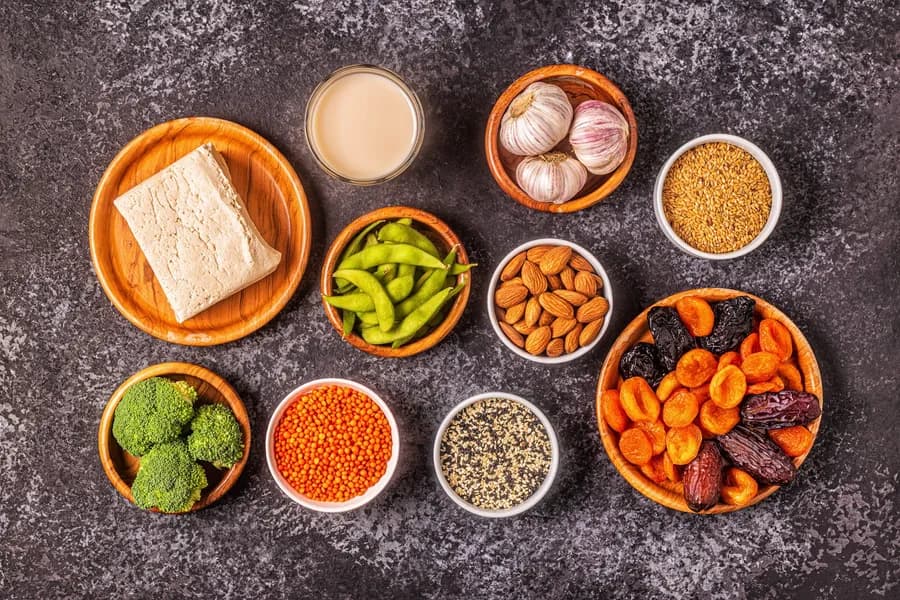
Dal, beans, soy foods, dairy, eggs, fish or poultry can contribute protein, depending on your diet. Include a source in meals or snacks rather than relying on one large serving.
If poor appetite continues, you lose weight without trying, or preparing meals becomes difficult, ask a doctor or dietitian for help. Nutritional supplement drinks may be appropriate for some people, but need individual assessment.
Fluids and hydration
Sip fluids regularly if larger drinks feel uncomfortable. Water, milk and other tolerated drinks can contribute. Oral rehydration solution may be appropriate in some situations involving fluid losses; ask a clinician or pharmacist when unsure.
There is no single fluid target suitable for everyone. People with kidney or heart disease, a fluid restriction or problems with electrolytes should follow their own care plan. Do not assume coconut water, sports drinks or electrolyte supplements are suitable for every person.
Contact a healthcare professional if you cannot keep fluids down, pass much less urine, become markedly dizzy or show other signs of dehydration.
Changes in taste, smell or swallowing
Experiment with temperatures and textures, and use gentle herbs or seasoning where tolerated. If nausea or a sore mouth makes a food uncomfortable, try another option instead of forcing it.
Do not compensate for taste changes with excessive salt or sugar. Swallowing difficulty, choking or coughing while eating or drinking needs assessment. Follow any texture or fluid advice already given by a swallowing specialist.
Practical food safety
Ask someone to help with shopping or preparation if fatigue makes cooking difficult. Wash hands before handling food, keep raw and cooked foods separate, cook foods safely and refrigerate perishables promptly.
While unwell with a respiratory infection, follow current local public-health guidance to reduce contact with others. Arrange help with meal preparation where possible.
Supplements and special health needs
No food, drink or supplement has been shown to prevent or cure COVID-19. Avoid products promising an immunity boost that replaces vaccination, antiviral assessment or medical care.
Large doses of vitamins or minerals can cause harm. Tell a doctor or pharmacist about supplements and herbal products, especially if you take regular medicines.
Diabetes, kidney disease, heart disease and other conditions can change the advice on food, fluids or electrolytes. Continue any individual care instructions. People at higher risk of severe COVID-19 should seek prompt medical advice about testing and treatment rather than waiting for their diet to help.
When to seek medical help
Seek emergency care for trouble breathing, persistent chest pain or pressure, new confusion, inability to wake or stay awake, or pale, grey or blue skin, lips or nail beds, depending on skin tone. These are not the only possible warning signs.
Persistent poor intake, unintentional weight loss or inability to keep fluids down also deserves medical attention. Do not wait to complete a diet trial when symptoms are severe or getting worse.
A manageable approach to recovery meals
Foods during COVID recovery do not need to be unusual or expensive. Use familiar meals, adjust portions to appetite and ask for support when shopping or cooking is difficult. Hydration, adequate nourishment and timely medical care matter more than a restrictive food list.
This content is for information and learning only. It does not diagnose a condition or prescribe a diet, medicine or treatment. Consult an appropriately qualified healthcare professional for individual symptoms and care.
Editorial sources
Frequently Asked Questions
Related Articles

Vegetarian protein: needs, myths and meal planning
Vegetarian meals can provide enough protein. Learn practical needs, simple Indian food sources, common myths and an easy meal-planning method.

Low Potassium Diet Foods: What to Eat When You Need to Limit Potassium
A low potassium diet is for a specific medical need — usually advanced kidney disease — and should always be followed under medical supervision. See who.

High-Fibre Foods: Simple Indian Meal Ideas
Find high-fibre Indian foods, easy meal ideas, gradual intake tips and practical advice for constipation and daily health.