
Foods to Avoid When Pregnant: Safer Choices Without a Fearful Diet
Keep familiar meals while making a few important safety changes. This guide explains pregnancy food precautions without unnecessary bans.
Key Takeaways
- Pregnancy does not need a long list of food bans.
- Use pasteurised milk and cook sprouts.
- Keep caffeine within the daily limit.
- Avoid alcohol and extra retinol.
Pregnancy does not require a long list of forbidden everyday foods. The main concerns are food poisoning, alcohol, too much caffeine, excess preformed vitamin A and certain fish with high mercury levels. Most familiar home meals can continue with safe preparation.
The main changes at a glance
- Choose safe dairy products instead of raw milk.
- Cook sprouts, eggs and animal foods thoroughly.
- Avoid untreated juice and wash produce carefully.
- Keep caffeine within the daily limit and avoid alcohol.
- Leave out liver and unnecessary retinol supplements.
Start with milk and foods made from it
Avoid raw, unpasteurised milk and products made from it unless they have been made safe through an appropriate process. Choose pasteurised milk and reliably prepared dairy foods. Paneer and curd need safe production and refrigeration; being vegetarian does not protect a perishable food from contamination.
Some soft cheeses carry additional concerns, particularly mould-ripened or blue cheeses unless cooked until steaming hot. Hard cheeses and other types have different guidance, so there is no need to treat all cheese as the same food.
For an everyday Indian meal, freshly cooked paneer in a hot dish or safely prepared curd kept chilled can be practical choices. Avoid relying on a dairy dish that has spent hours warm on a buffet.
Cook sprouts instead of serving them raw
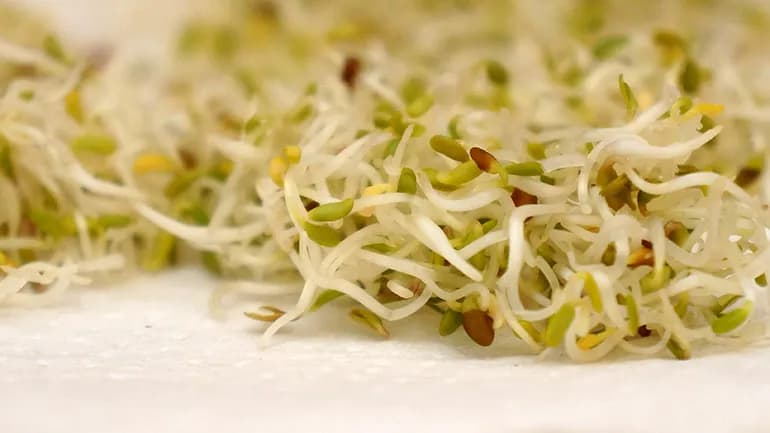
Raw sprouts can carry harmful bacteria that washing does not reliably remove. During pregnancy, cook sprouts thoroughly rather than adding raw moong sprouts to salads, sandwiches or bhel.
A cooked sprout sabzi, soup or filling gives you another way to use them. If ordering a sandwich or salad, asking for no raw sprouts is a specific, manageable request.
Other vegetables and fruit are welcome. Wash them thoroughly under running water, use clean utensils and prevent contact with raw animal foods. Cut fruit needs safe handling and prompt chilling. Whole fruit you wash and prepare yourself can be a convenient option when you are uncertain about storage.
Be careful with fresh juice
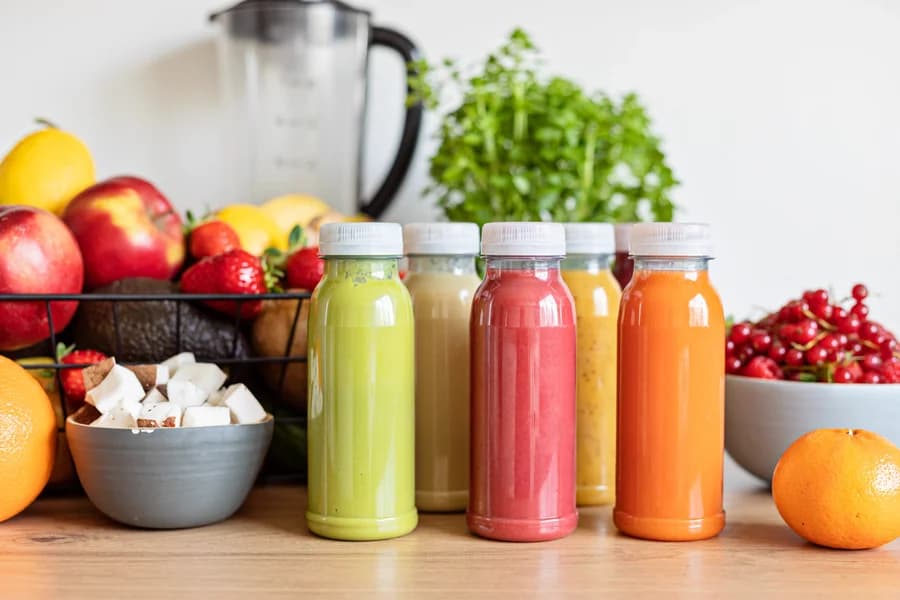
Unpasteurised or untreated juices can contain organisms that cause illness. Freshly squeezed does not automatically mean safer, especially if water, ice, fruit or equipment hygiene is uncertain.
Choose pasteurised juice when you want it, or have washed whole fruit instead. Whole fruit also retains its eating structure and fibre. There is no requirement to drink a particular juice for the baby's complexion, immunity or growth.
Keep caffeine within the daily total
NHS guidance recommends no more than 200 mg of caffeine a day in pregnancy. Count tea, coffee, green tea, cola, energy drinks and chocolate together rather than applying the limit separately to each drink.
Cup sizes and strength vary, so two large cafe coffees are not the same as two small home cups. Decaf can help reduce intake, although it may contain a little caffeine.
Energy drinks are a poor way to manage pregnancy tiredness. Food, rest and assessment of persistent fatigue are more useful. If you accidentally exceed the caffeine limit once, return to the plan rather than panicking or skipping meals to compensate.
Avoid alcohol and extra retinol
The safest approach in pregnancy is to avoid alcohol. A drink does not become suitable because it is homemade, expensive or described as a tonic.
Avoid liver, liver products and supplements containing high amounts of preformed vitamin A, also called retinol. Do not add a general beauty or high-dose multivitamin to a prenatal supplement without checking for overlap.
This does not mean avoiding carrots, pumpkin or other vegetables containing beta-carotene. They are a different source of vitamin A activity and can remain part of meals. Continue the pregnancy supplements prescribed for you; the concern is inappropriate additional products.
Ordinary foods do not need blanket bans
Fully ripe fruit, cooked pulses, nuts when you are not allergic, and familiar seasonings can fit into pregnancy meals. There is no general reason to avoid all pineapple, all spicy food or every food described as hot or cold by family tradition.
Your own comfort may change. A chilli-heavy dish might worsen heartburn, or a large portion may feel uncomfortable. Adjust the serving or recipe without assuming it harms the baby.
Herbal concentrates and medicinal preparations deserve a separate decision. An ingredient used in a small culinary amount is not equivalent to a strong extract taken daily. Avoid experimenting with detox teas or products intended to bring on labour.
A workable day of food
Breakfast could be freshly cooked vegetable poha with curd kept chilled until serving. Lunch might be dal, roti and a cooked sabzi, with washed fruit later. Dinner can be rice with a pulse dish or a freshly cooked paneer or tofu preparation.
Use safe water, refrigerate leftovers promptly and reheat thoroughly. If travelling, choose food that is freshly cooked and served hot rather than a perishable item left at room temperature.
When a food exposure needs help
Contact your maternity team promptly if you develop fever, significant vomiting, diarrhoea or flu-like illness after a concerning food exposure. If a recalled or known contaminated product is involved, ask for advice even if you are unsure what symptoms mean.
Eating something from an avoid list once does not prove harm has occurred. Note what it was and when, then use specific advice rather than trying a home detox. The goal is a well-fed pregnancy with a few dependable safety habits, not constant worry at every meal.
Editorial sources
Frequently Asked Questions
Related Articles
Food to Avoid While Pregnancy: A Complete Safety List
Some common foods carry a real risk of infection or toxin exposure that pregnant women and their babies can’t tolerate the way healthy adults usually do..
Pregnancy Diet First Trimester: Foods for Nausea and Folate
The first trimester needs its own approach — nausea makes eating well harder, and folate needs are at their most critical for your baby’s neural tube.

Prenatal Vitamins for Pregnancy: What They Cover and Why They Matter
Prenatal vitamins combine folic acid, iron, calcium, vitamin D, and sometimes DHA in one dose — but the right combination depends on your individual.

Is Guava Good for Pregnancy? Portions and Practical Tips
Enjoy guava during pregnancy with realistic nutrition advice and simple food-safety steps.