
Is Guava Good for Pregnancy? Portions and Practical Tips
Enjoy guava during pregnancy with realistic nutrition advice and simple food-safety steps.
Key Takeaways
- Guava can be part of a balanced pregnancy diet.
- Wash it well before cutting.
- Pair it with iron-rich meals for vitamin C.
- With gestational diabetes, count it in your plan.
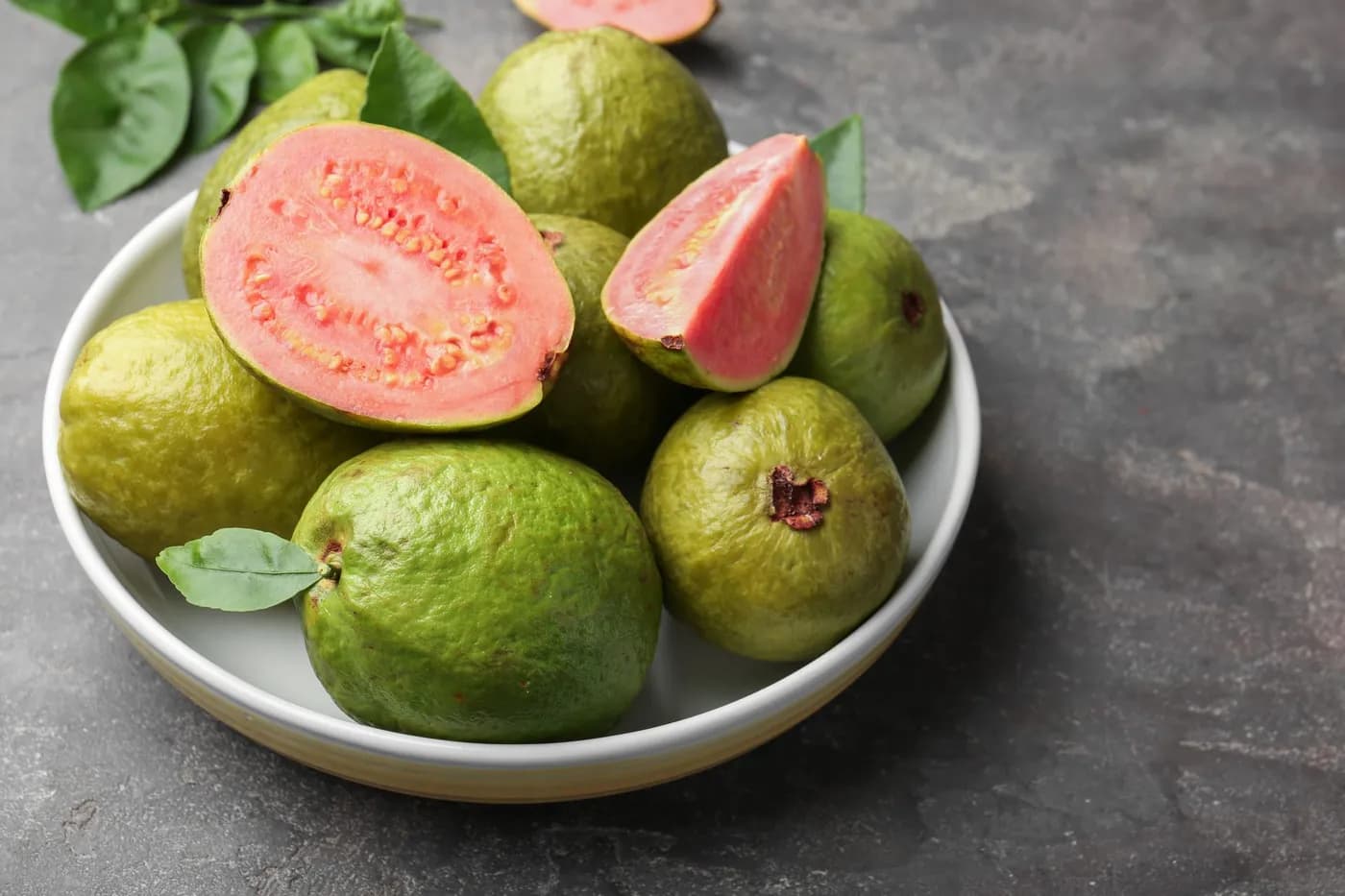
Yes, guava can be part of a balanced diet during pregnancy. It offers vitamin C and fibre, is easy to serve and is often more affordable than fruits marketed as special pregnancy foods. You do not need a prescribed number of guavas or a particular trimester to enjoy it. What matters most is clean preparation, a comfortable portion and how it fits with the rest of your meals.
What guava contributes
Guava provides vitamin C, fibre and other nutrients. Vitamin C supports normal body functions and helps with the absorption of iron from plant foods. Fibre can contribute to a dietary pattern that supports bowel regularity.
These are useful qualities, but they do not make guava a treatment for anaemia or constipation. Pregnancy symptoms and nutrient needs can require more than adding one fruit.
Keep variety in the fruit bowl. Guava can sit alongside bananas, oranges, papaya that is ripe and suitable, or other fruits you enjoy. There is no need to eat it daily if the taste or texture is not appealing.
Choose a portion that feels comfortable
A small guava or a modest bowl of cut pieces can be a practical serving. Fruit size varies, so one enormous guava is not equivalent to every other “one fruit” serving.
You can have it with a meal or as a snack. If fruit alone leaves you hungry, add plain curd or another suitable food rather than repeatedly eating more fruit to make the snack last.
Pregnancy does not require doubling portions or eating a particular fruit for two people. Appetite changes, nausea and medical needs vary. A comfortable serving that you can enjoy is more useful than forcing a large amount because it has a healthy reputation.
Wash it before cutting
Rinse guava under running drinking-quality water and rub the surface gently. Use clean hands, a clean knife and a clean chopping board. Do not use soap or household disinfectant on the fruit.
Wash it even if you plan to peel it, because cutting can carry dirt from the surface into the flesh. Remove damaged areas and discard fruit with mould or significant spoilage.
Freshly prepared pieces are a straightforward option. Refrigerate cut fruit promptly and avoid pieces that have been sitting uncovered in warm conditions. During pregnancy, food handling is a more useful safety concern than a rumour that guava itself is forbidden.
Ripe or firm: choose for comfort
Riper guava is usually softer and may be easier to chew. Very firm fruit can be less pleasant if you have sensitive teeth or nausea. Both taste and texture vary by variety.
You do not have to eat the peel if you dislike it, although it contributes to the fruit's fibre. Choose the form you can comfortably manage rather than treating every part as mandatory.
The seeds are normally eaten with the fruit, but hard seeds may be uncomfortable for some people. Cut smaller pieces or choose another fruit if chewing is difficult. There is no need to force a coarse texture for a supposed extra pregnancy benefit.
Pair it with iron-containing meals
Guava's vitamin C can be useful alongside plant sources of iron, such as pulses and some leafy vegetables. For example, have a small portion after a meal containing dal, chana or rajma.
This is a food combination, not a substitute for prescribed iron or folic acid. If pregnancy testing shows anaemia, follow the treatment made for its cause and severity.
Tiredness alone cannot tell you whether iron is low, and eating guava does not confirm that it has improved. Keep antenatal appointments and the prescribed supplement plan while using food to support overall nutrition.
What if you have gestational diabetes?
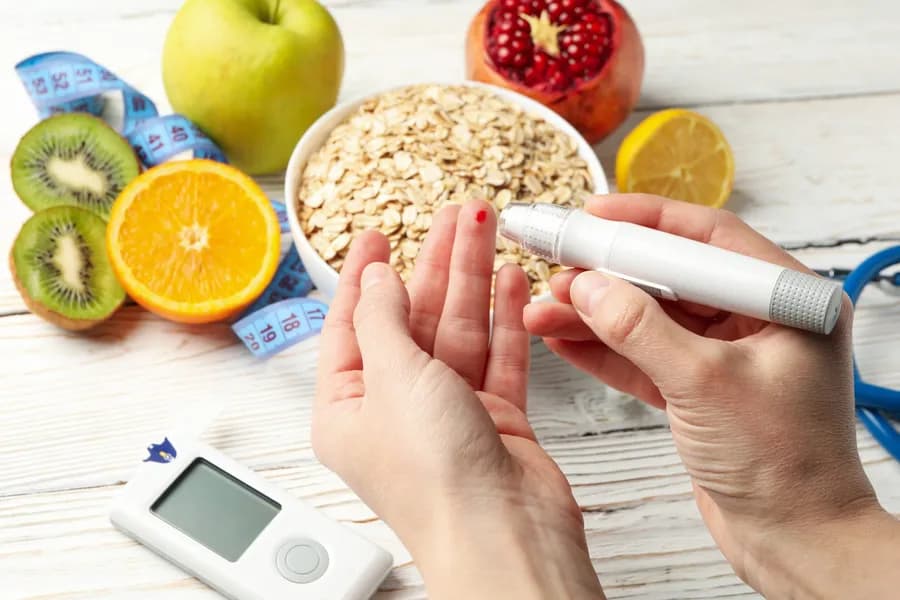
Whole guava may fit into an individual gestational-diabetes eating plan. It still contains carbohydrate, so the amount and distribution across the day matter.
Avoid assuming that a fruit with fibre can be eaten without limit. A modest portion of whole fruit is different from a large glass of juice or a sweetened guava drink.
Use the glucose-monitoring and meal guidance you have been given. If a particular portion does not work well with your readings, adjust the plan with your care team rather than banning every fruit or replacing food with an unproven blood-sugar remedy.
Juice is not necessary
Guava juice is not nutritionally identical to the whole fruit, especially when pulp is removed or sugar is added. A packaged guava beverage may contain a relatively small amount of fruit along with sweeteners and water.
Whole fruit is often the simpler everyday option. If you choose juice occasionally, use a suitable pasteurised product and a small serving rather than a large fresh juice from uncertain handling conditions.
Do not use guava juice as a meal replacement when nausea makes eating difficult. Small, manageable foods and an appropriate pregnancy plan are more useful than relying on one drink for the day.
Keep leaves and extracts separate
Guava fruit is different from guava-leaf tea, concentrated extracts or capsules. Claims about blood sugar, infections or labour do not establish that these products are safe or useful in pregnancy.
Do not start a leaf preparation to treat gestational diabetes or another pregnancy concern. It is unnecessary to turn an ordinary fruit into a medicinal routine.
If you have already used a product, mention its exact name and ingredients during your antenatal review. The aim is to assess the actual exposure, rather than become anxious because the word guava appears in both food and herbal contexts.
Fit it into the day you have
Try washed guava pieces with a light squeeze of lemon if you enjoy the taste. A little roasted cumin can add flavour; large amounts of salty seasoning are not needed. You can also combine it with another fruit or serve it beside curd.
If it worsens bloating or nausea, reduce the portion or choose something else. No single fruit is essential. Pregnancy nutrition works through a varied pattern, safe food handling and appropriate antenatal care, with guava as one pleasant option among many.
Editorial sources
Frequently Asked Questions
Related Articles
Protein Foods for Pregnancy: A Vegetarian Guide
Vegetarian diets can meet pregnancy protein needs with pulses, soy, dairy, nuts and seeds. Here is how to plan meals safely.

Guava: nutrition, benefits and easy ways to eat it
Guava is an affordable fruit rich in vitamin C and fibre. Learn what research says, whether to eat the peel and simple ways to add it to your day.
Prenatal Vitamins for Pregnancy: What They Cover and Why They Matter
Prenatal vitamins combine folic acid, iron, calcium, vitamin D, and sometimes DHA in one dose — but the right combination depends on your individual.

Pregnancy Diet First Trimester: Foods for Nausea and Folate
The first trimester needs its own approach — nausea makes eating well harder, and folate needs are at their most critical for your baby’s neural tube.