
Glutathione-Rich Foods: How the Body Makes Its Own Antioxidant
Your body makes glutathione from amino acids. See which foods contain it or support its production, and why detox and skin claims fall short.
Key Takeaways
- The body makes glutathione from cysteine, glutamate and glycine; food is a minor source.
- Adequate protein supplies cysteine, often the limiting building block.
- Cruciferous and allium vegetables, vitamin C and selenium support antioxidant systems.
- Foods and supplements cannot treat liver disease or poisoning, or safely lighten skin.
Glutathione is an antioxidant made inside cells from three amino acids: cysteine, glutamate and glycine. Some foods contain glutathione, while others supply its building blocks or plant compounds that support the body's antioxidant systems. Digestion and cooking affect how much intact glutathione reaches tissues, so food lists should not promise that one vegetable dramatically raises blood levels or "detoxes" the liver.
What does glutathione do?
Glutathione helps manage oxidative reactions, takes part in detoxification enzymes and cycles between reduced and oxidised forms. These normal functions are complex and tightly regulated. Calling it the "master antioxidant" can make supplements sound more certain than the evidence allows and distract from sleep, food variety and medical care.
Can food directly raise glutathione?
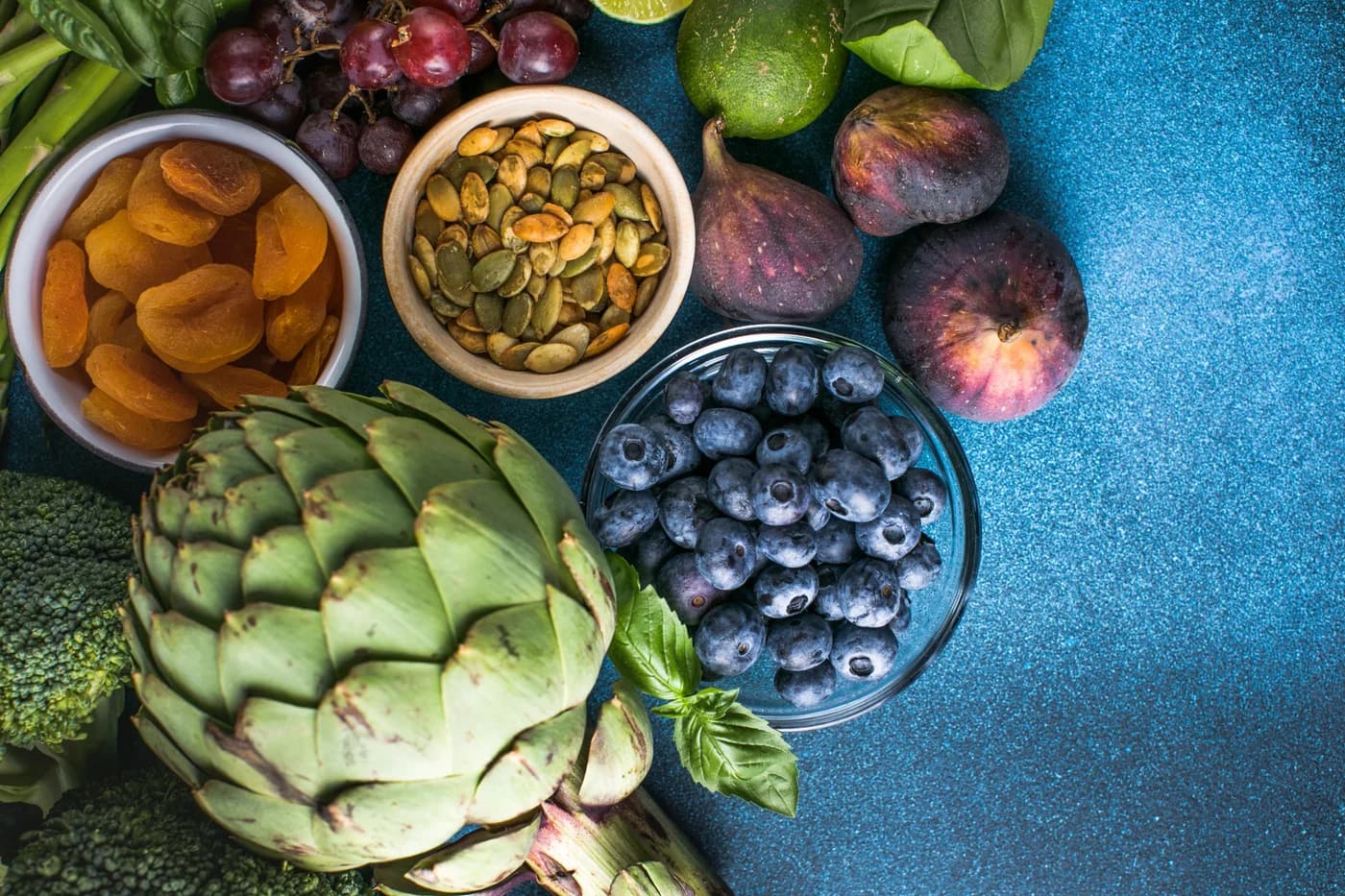
Avocado, spinach, okra, asparagus and some other produce contain glutathione, but storage, cooking and digestion influence the amount. A high value in a raw-food table does not guarantee a matching rise inside cells. The body's own production and recycling are what matter most.
Why protein matters
Cysteine is often the limiting amino acid for glutathione production. Lentils, beans, soy foods, dairy, nuts and seeds can all contribute amino acids in a vegetarian pattern. Severe protein restriction or eating too little overall can undermine many body systems; a powder is not the first solution to an under-fuelled diet.
Foods that support the body's antioxidant system
Cruciferous vegetables
Broccoli, cabbage, cauliflower and mustard greens provide glucosinolates and related compounds studied for their effects on detoxification enzymes. Their value comes from a diverse vegetable pattern, not from forcing huge raw servings. Light cooking may improve comfort while keeping useful compounds.
Garlic, onion and leeks
These alliums supply sulphur-containing compounds and plenty of flavour. They may support the broader antioxidant network, although they are not glutathione medicines. People with reflux or irritable bowel symptoms may tolerate cooked or smaller portions better than concentrated raw preparations.
Vitamin C and selenium
Vitamin C-rich fruit and vegetables take part in antioxidant recycling, while selenium is needed for glutathione peroxidase enzymes. Nuts, seeds, grains and dairy contribute selenium in variable amounts. Excess selenium from supplements can be toxic, so more is not automatically better.
Raw or cooked?
Use a mix: add cabbage to stir-fries, spinach to dal, garlic to vegetables and fruit to snacks. Heat can reduce some compounds, preserve or increase others, and improve digestibility. A rigid all-raw plan is unnecessary and can make it harder to eat enough.
Do glutathione supplements live up to the hype?
Oral glutathione, liposomal products and precursor supplements are marketed for immunity, skin lightening and detox. Evidence varies by formulation and outcome, and the long-term safety of cosmetic use is not established. Inhaled or injected glutathione is a medical matter and should never be improvised.
Why "detox" language causes confusion
The liver, kidneys, lungs and gut continuously process and remove substances through specialised pathways. Glutathione takes part in some of these reactions, but a high-glutathione salad does not flush toxins on command. Suspected poisoning needs urgent expert advice, and persistent jaundice, unexplained fatigue or liver disease need diagnosis and treatment, not an antioxidant menu.
Can exercise change glutathione levels?
Physical activity creates temporary oxidative stress and also stimulates the body's own protective adaptations. Regular, progressive exercise with adequate recovery supports health, while extreme training without enough food or sleep can overwhelm recovery. Taking large antioxidant doses around training may even blunt some adaptations, so more supplementation does not always mean better recovery.
Habits that matter more than any single food
Not smoking, limiting alcohol, sleeping well and managing diagnosed conditions reduce oxidative burden more reliably than chasing the highest-glutathione vegetable. Pair those habits with enough protein and a varied mix of vegetables, fruit, pulses and grains.
Editorial sources
Frequently Asked Questions
Related Articles
NAC Supplements: Uses, Evidence and Important Safety Notes
N-acetyl cysteine, or NAC, is a form of the amino acid cysteine. In medical care it is used for specific conditions, including acetaminophen poisoning.

Antioxidant Rich Foods: A Simple Guide to Eating More of Them
Antioxidants protect your cells from everyday oxidative stress caused by pollution, sun exposure, and normal metabolism. See the easiest foods to build a.
Vitamin C Benefits: Immunity, Skin, Antioxidants & Sources
Vitamin C strengthens immunity, builds collagen for skin and joints, and improves how well you absorb iron from plant foods. See its full benefits and.