
Gluten: Who Needs to Avoid It and Who Does Not
Separate medical gluten avoidance from diet trends and make food choices with a clear purpose.
Key Takeaways
- Coeliac disease requires strict gluten avoidance.
- Get tested before cutting gluten.
- Gluten-free does not automatically mean healthier.
- Wheat allergy is different from coeliac disease.
A gluten-free packet can make ordinary roti look like a questionable choice. For someone with coeliac disease, avoiding gluten is essential treatment. For most other people, gluten is not something that needs to be removed automatically. The useful question is why you are considering avoidance, because a medical need, digestive discomfort and a weight-loss trend call for different responses.
What is gluten?
Gluten is a group of proteins found in wheat, barley and rye. It helps dough stretch and hold its structure, which is useful in foods such as bread and many baked products.
In an Indian kitchen, wheat roti, atta-based paratha, sooji, dalia made from wheat and ordinary wheat noodles contain gluten. Barley, often called jau, contains it too.
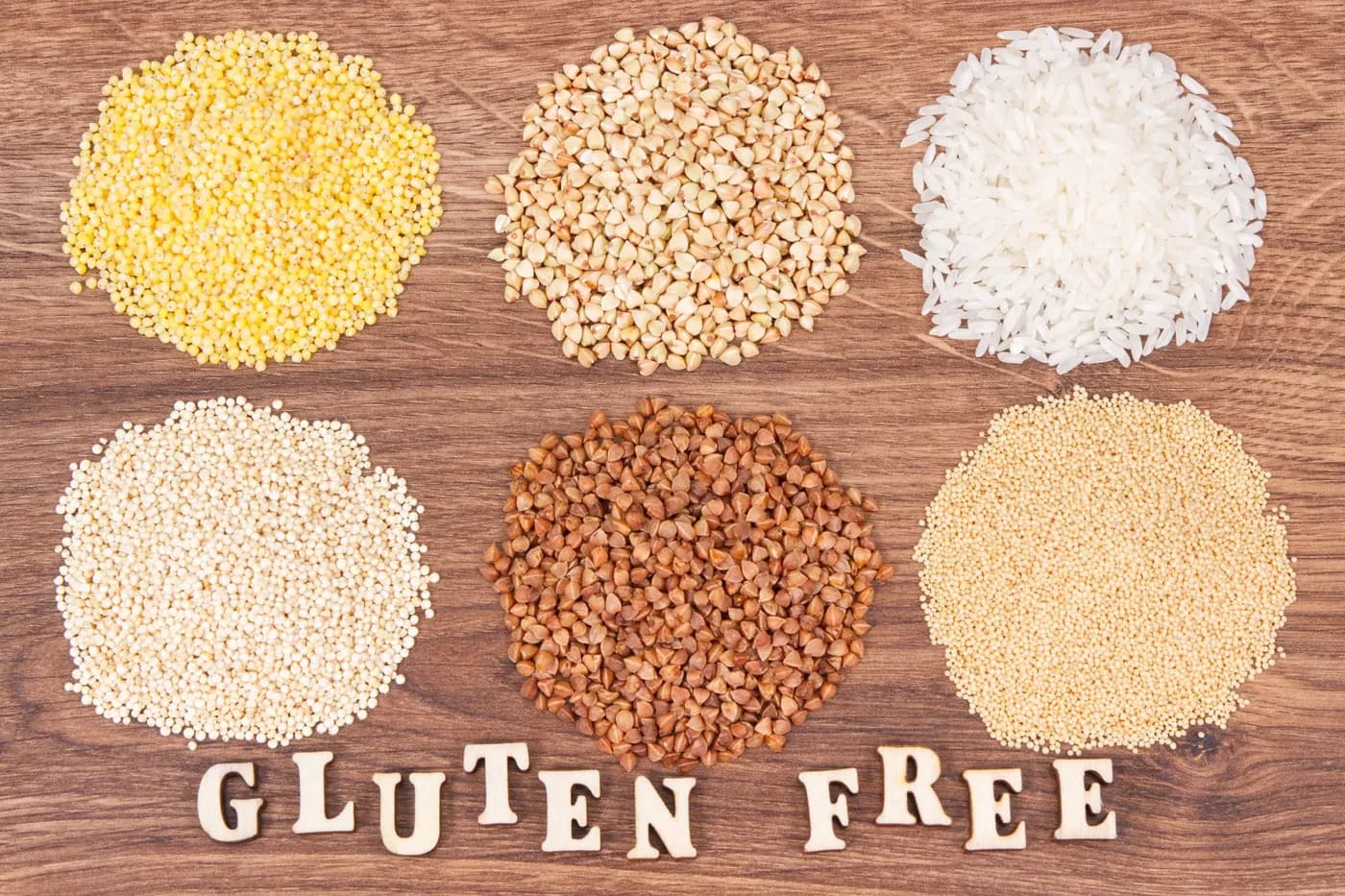
Rice, maize, jowar, bajra and ragi do not naturally contain gluten. However, a dish made from them can still contain wheat through another ingredient or contact during preparation. This distinction is particularly important for someone who must avoid even small amounts.
Coeliac disease needs consistent avoidance
Coeliac disease is an autoimmune condition in which gluten triggers damage to the small intestine. It is not simply a preference for lighter food and cannot be managed by occasionally choosing gluten-free bread while otherwise eating wheat.
After diagnosis, a strict gluten-free diet is the treatment. That includes attention to ingredients and cross-contact in shared kitchens, mills and utensils.
The effort is worthwhile because the aim is to allow healing and reduce complications. It also needs to be nutritionally adequate: replacing all meals with packaged gluten-free snacks would not be a good long-term plan.
Get tested before changing the diet
If coeliac disease is suspected, starting a gluten-free diet before testing can make results less reliable. Blood tests and, in some cases, a biopsy are used within an appropriate assessment.
Persistent diarrhoea, unexplained weight loss, recurrent nutrient deficiencies or a close family history may be reasons to discuss testing. These do not prove the condition, but they deserve more than a self-directed food challenge.
If you have already stopped gluten, explain that when arranging assessment. Do not restart a large amount on your own, particularly if you have had a severe reaction or an uncertain diagnosis. The testing plan should fit your situation.
Wheat allergy is different
Wheat allergy involves an allergic reaction to wheat proteins. Symptoms can include hives, swelling, vomiting or breathing difficulty. It is a different condition from coeliac disease and has its own management plan.
Do not deliberately eat wheat to test a suspected serious allergy at home. Breathing difficulty, throat tightness or faintness after food needs emergency help.
A person with wheat allergy also needs advice specific to wheat rather than assuming every coeliac-food rule applies in exactly the same way. A clear diagnosis can prevent both dangerous exposure and unnecessary restrictions.
What if wheat seems to cause bloating?

Bloating after a meal does not automatically identify gluten as the cause. Meal size, other ingredients and fermentable carbohydrates in wheat can all be relevant. Conditions such as irritable bowel syndrome can also produce similar symptoms.
Some people report improvement when avoiding gluten after coeliac disease and wheat allergy have been excluded. This needs a considered approach because removing wheat changes more than one component of the diet.
Keep the question practical: which meals cause symptoms, how often and how much? If every meal contains many changing ingredients, it is hard to learn from a strict avoidance experiment. Persistent symptoms deserve assessment before the list of forbidden foods keeps growing.
Gluten-free does not automatically mean healthier
A gluten-free biscuit is still a biscuit. Some packaged substitutes contain refined starches, added fat or sugar and may provide less fibre than a wholewheat product.
For someone who can eat gluten, switching from wholewheat roti to refined gluten-free products has no automatic health advantage. It may cost more without improving the overall diet.
If a gluten-free diet is medically needed, build it around useful staples rather than relying mainly on substitutes. Rice, appropriate millets, pulses, vegetables, fruit and suitable protein foods can provide an ordinary meal structure.
Indian meals can offer plenty of variety
For a person avoiding gluten, rice with dal and vegetables is a familiar starting point. Jowar or bajra roti can work if the flour is uncontaminated and no wheat has been mixed in. Besan chilla, properly prepared idli and dosa, and some poha dishes may also fit.
The details matter for coeliac disease. Shared batter, spice mixtures or commercial flours may introduce gluten, and a shared tawa or flour-dusted surface can create cross-contact.
You do not need a separate cuisine, but the household needs a dependable preparation method. Clear storage, clean utensils and an agreed cooking order are easier than repeatedly guessing whether a meal is safe.
What about oats?
Oats do not naturally contain wheat, barley or rye gluten, but they are often contaminated during growing or processing. People with coeliac disease should use appropriate gluten-free oats and follow their care team's advice about introducing them.
Ordinary oats should not be assumed safe just because the ingredient list says only oats. A small minority of people with coeliac disease also do not tolerate oats well.
For someone without coeliac disease or another relevant condition, ordinary oats can be a convenient wholegrain food. The stricter rules exist for a specific medical need, not because everybody requires a certified version.
Keep the reason for avoidance clear
Gluten is not a fat-loss obstacle that everyone needs to remove. If cutting wheat also cuts frequent bakery snacks, a person may feel better because their eating pattern changed, rather than because gluten itself was harmful.
If you tolerate wheat, you can keep it alongside other grains. If you need to avoid it, make the diet safe, varied and satisfying. The goal is a plan based on the actual problem, with enough food choices left to live comfortably.
Editorial sources
Frequently Asked Questions
Related Articles
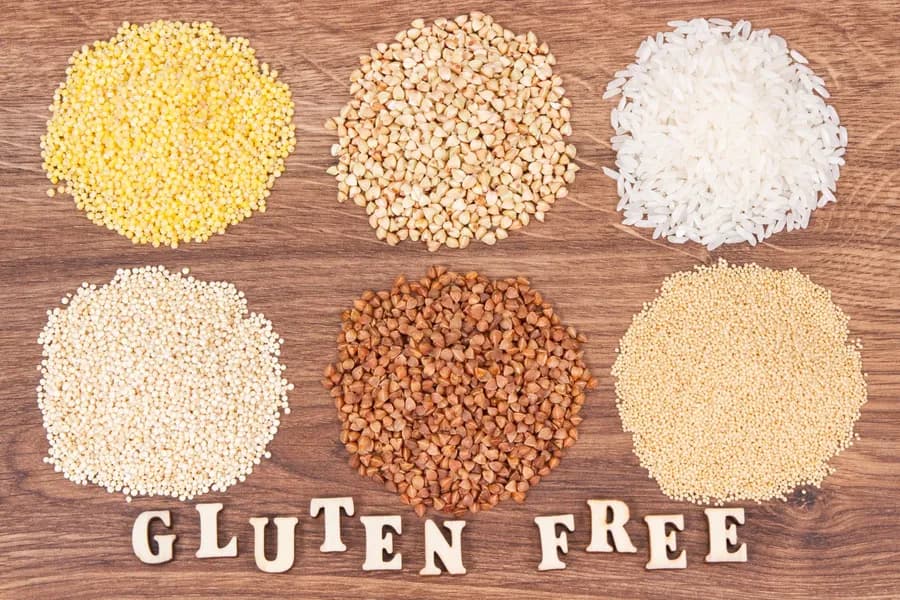
Gluten Free Foods: A Practical Guide for Celiac Disease and Sensitivity
Indian kitchens already have a long list of naturally gluten-free options — rice, millets, pulses, and more — that can form a complete diet without.
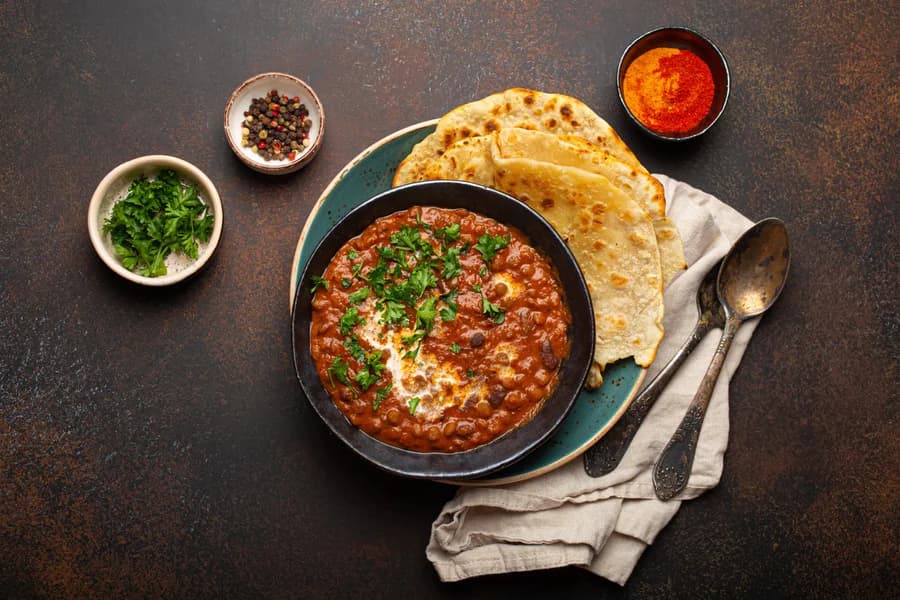
Wheat Nutritional Value: What Whole Grains Offer
Whole-wheat atta keeps the bran and germ that maida loses. What wheat provides, how to read bread labels, and who genuinely needs to avoid it.

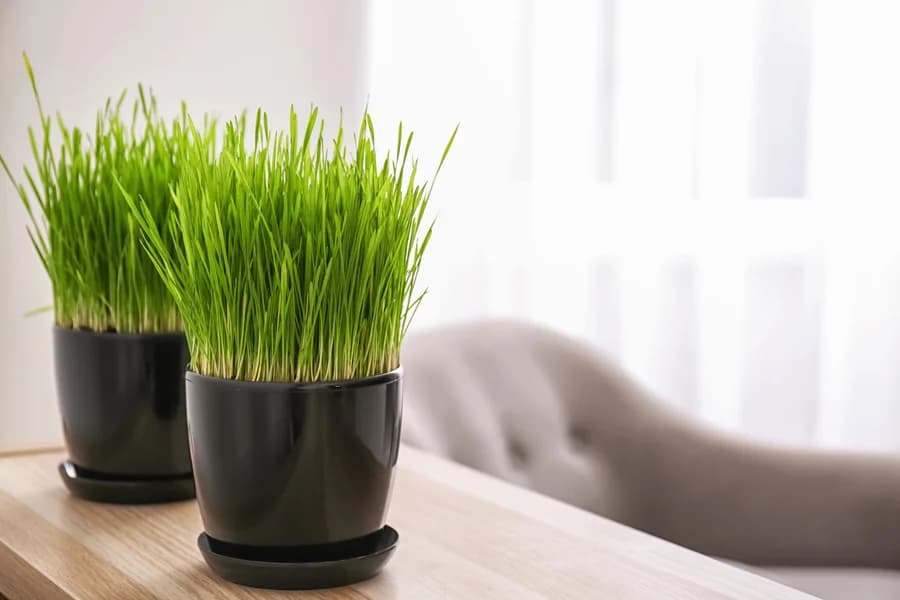
Wheatgrass Benefits: Powder, Juice and Evidence
Wheatgrass is sold as juice, powder and tablets with big promises. Here is what it contains, what evidence exists and how to use it safely.

Buckwheat Benefits: Nutrition and Uses
Buckwheat is a gluten-free seed used like a grain. Learn its nutrition, realistic benefits and easy ways to use kuttu in balanced meals.