
Wheat Nutritional Value: What Whole Grains Offer
Whole-wheat atta keeps the bran and germ that maida loses. What wheat provides, how to read bread labels, and who genuinely needs to avoid it.
Key Takeaways
- Whole-wheat atta keeps the bran, germ and endosperm; maida is mostly endosperm.
- Whole wheat offers more fibre, B vitamins, iron, magnesium and zinc than refined flour.
- Brown or multigrain bread is not always whole grain; check the first ingredient.
- Pair roti with dal, paneer, tofu or curd and vegetables for a balanced plate.
- Coeliac disease needs strict lifelong gluten avoidance; most people do not need to cut wheat.
Wheat is a staple grain used in roti, bread, pasta, daliya, bakery foods and countless packaged products. Its nutritional value depends greatly on which parts of the grain remain after processing. Whole wheat keeps the bran, germ and endosperm, while refined flour (maida) loses much of the fibre and several naturally occurring micronutrients. That does not make every whole-wheat product healthy or every refined product forbidden. Ingredients, portion, preparation and the rest of the meal decide what the food contributes.
Wheat is sometimes blamed for tiredness, weight gain or inflammation simply because it appears in so many foods. Often the real issue is the form: biscuits, cakes, fried snacks and oversized bakery items combine refined flour with sugar, salt and fat. A home-cooked roti with dal and vegetables is a very different meal from a packet of cream biscuits, even though both contain wheat.
What sits inside the grain?
A wheat kernel has three main parts. The fibre-rich bran forms the outer layer; the germ contains healthy fats, vitamin E and several B vitamins; and the starchy endosperm supplies most of the carbohydrate and some protein. Whole-wheat flour includes all three in their original proportions. Refined flour is made mostly from the endosperm, which gives a softer texture and longer shelf life but removes much of the bran and germ.
Wheat provides carbohydrate for energy and a moderate amount of protein. It also contributes B vitamins and minerals such as iron, magnesium and zinc, although amounts vary by variety and milling. Some refined flour is fortified with selected nutrients, but fortification does not put back the fibre or the original food structure. A roti's value also depends on its size, thickness, added ghee or oil and what is served with it.
Why does whole wheat matter?
Fibre slows eating, adds bulk to stool and supports regular bowel movements. Whole grains are also linked with lower risk of heart disease, type 2 diabetes and weight gain when they replace refined grains in a balanced diet. You do not need expensive speciality bread for this: ordinary chakki atta, cracked wheat (daliya) or minimally sweetened whole-grain products work well.
A package may say multigrain, brown or high-fibre without whole wheat being the main ingredient. Read the ingredient list: whole-wheat flour should come first, and the nutrition panel shows whether the product is also high in sugar or sodium. Colour is not proof, because caramel colouring, molasses or malt can make refined bread look darker.
How can meals use it well?
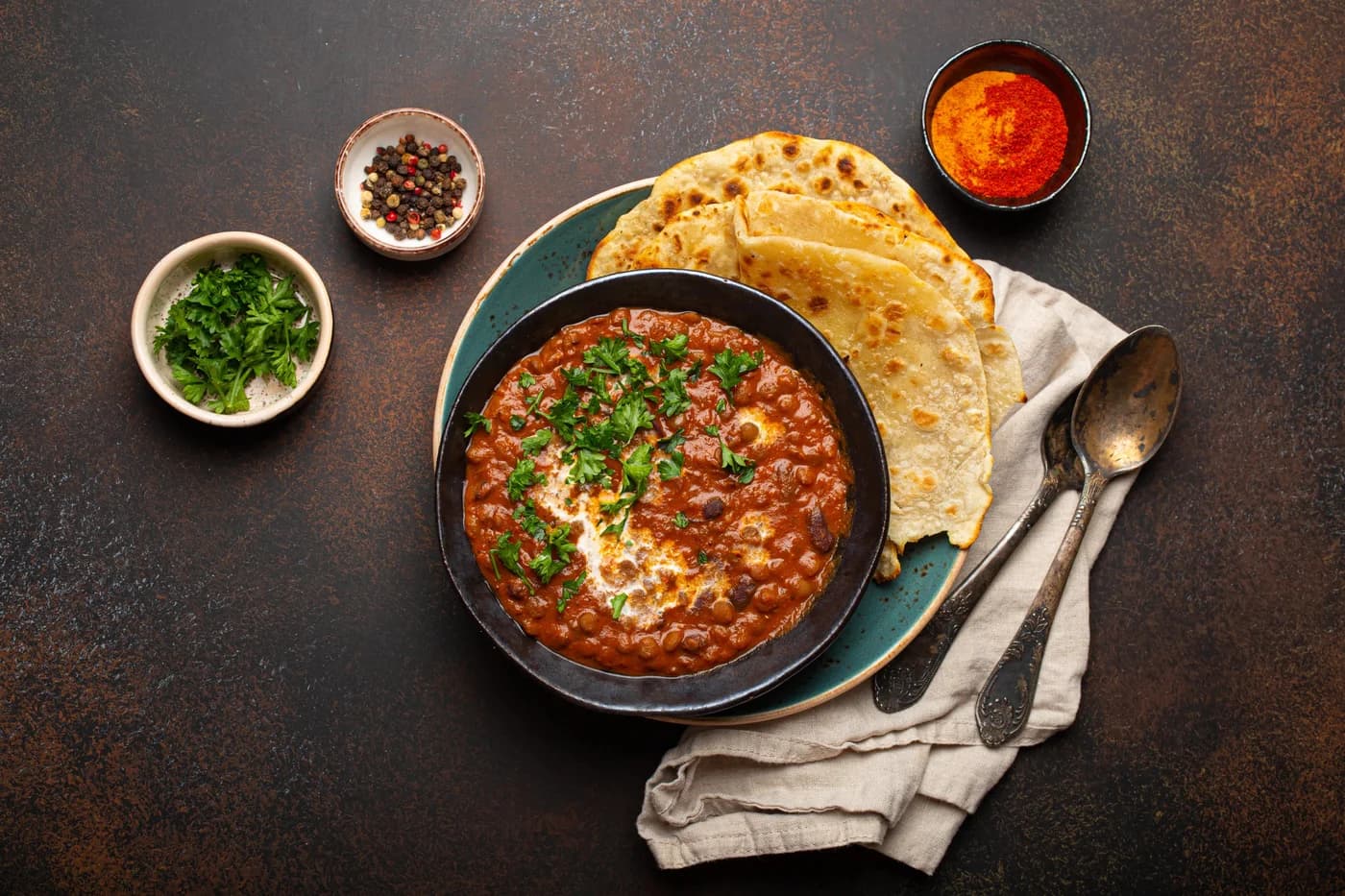
A wheat-based meal becomes more balanced when the grain shares the plate with vegetables and a protein source. Pair roti with dal, chana, rajma, tofu, paneer or curd rather than eating several rotis with a small portion of sabzi. For breakfast, vegetable daliya can be enriched with peas, soy granules or a side of curd. These combinations improve fullness and spread nutrition across food groups.
Portion needs vary with age, activity and health goals. Someone doing heavy physical work may need more grain than a person who sits most of the day. Diabetes does not automatically rule out wheat, but two large rotis with a potato-heavy curry is still a substantial carbohydrate load. Flour type, roti size and the protein, vegetables and fat in the meal all shape the glucose response, and your own readings can guide adjustments. Mixing atta with besan, soy flour or millet flour adds variety, but there is no single ideal blend.
Does processing change it?
Grinding makes grain easier to cook but breaks down its structure, so finely milled flour is digested faster than intact wheat berries or coarser daliya. Fermentation, sourdough methods and combining wheat with pulses change texture and digestibility, but no technique makes an unlimited portion harmless. Instant noodles, biscuits and pastries remain processed foods even when some whole wheat is added.
Storage matters because the natural oils in the germ can turn rancid. Keep atta in an airtight container away from heat and moisture, and buy only what you can use while it smells fresh. Discard flour that smells musty, oily or bitter or shows insects or mould, and refrigerate dough you are not using promptly.
Who should avoid wheat?
Coeliac disease is an autoimmune condition in which gluten damages the small intestine. People with confirmed coeliac disease need strict, lifelong avoidance of wheat, barley and rye, including cross-contamination. Testing should happen before starting a gluten-free diet, because removing gluten first can make the diagnosis harder. Wheat allergy is different and can cause hives, swelling, breathing symptoms or other reactions that need medical evaluation. See our gluten-free foods guide if you need to avoid gluten.
Some people get symptoms from wheat despite negative coeliac and allergy tests. Fermentable carbohydrates called fructans may be responsible, especially in irritable bowel syndrome, and a dietitian-guided approach can separate them from gluten. Cutting out wheat without a plan can reduce fibre and B vitamins. Persistent pain, diarrhoea, anaemia, weight loss or fatigue after eating wheat need medical assessment.
The bottom line
Whole wheat is an affordable, fibre-rich staple when it shares the plate with vegetables and protein foods. Avoiding wheat is necessary for specific diagnoses, not a universal wellness rule.
Editorial sources
Frequently Asked Questions
Related Articles
Rice vs Roti for Weight Loss: What the Science Actually Says
Neither rice nor roti is inherently fattening or slimming — portion size, what you pair it with, and how it’s cooked matter far more than the grain.

Gluten Free Foods: A Practical Guide for Celiac Disease and Sensitivity
Indian kitchens already have a long list of naturally gluten-free options — rice, millets, pulses, and more — that can form a complete diet without.

Low Glycemic Index Foods: What They Are and Why They Matter for Blood Sugar
Low glycemic index foods raise blood sugar slowly and steadily instead of causing a sharp spike. See what glycemic index actually measures, and everyday.
Beans and Legumes: Protein, Fibre and Easy Meals
Learn the nutrition of beans and legumes, easy Indian meal ideas, soaking and cooking safety, portions and tips to reduce gas.
