
Gluten-Free Flour: Choosing One That Works in Your Kitchen
Gluten-free flours differ in texture, nutrition and use. Choose a flour or blend for the dish and understand when strict cross-contact precautions matter.
Key Takeaways
- Jowar, bajra, ragi and besan are familiar gluten-free flours.
- Match the flour to the dish you want to make.
- Gluten-free does not mean more protein or fibre.
- Coeliac disease needs care with cross-contact.
A packet of gluten-free flour can contain anything from finely milled rice to a blend of starches, pulses and gums. That explains why one makes a good chilla while another is designed for a sponge cake. They share an absence of gluten, not a single nutritional profile or cooking method.
For people with coeliac disease, avoiding gluten is essential. For others, gluten-free flour may simply offer variety. Either way, choosing by the food you want to make is more useful than assuming the label means healthier.
What gluten does in dough
Gluten is a group of proteins in wheat, barley and rye. In wheat dough, it helps create elasticity and structure. This is why atta can be rolled into roti and bread dough can trap gas as it rises.
When you remove gluten, the behaviour changes. A dough may crack at the edges, a cake may crumble or a loaf may not rise in the same way. These are recipe problems to solve, rather than signs that you are using the flour incorrectly as a food.
There is no single gluten-free flour that naturally reproduces every function of wheat. The right choice depends on whether you need a pourable batter, a flatbread or a light baked product.
Familiar Indian options
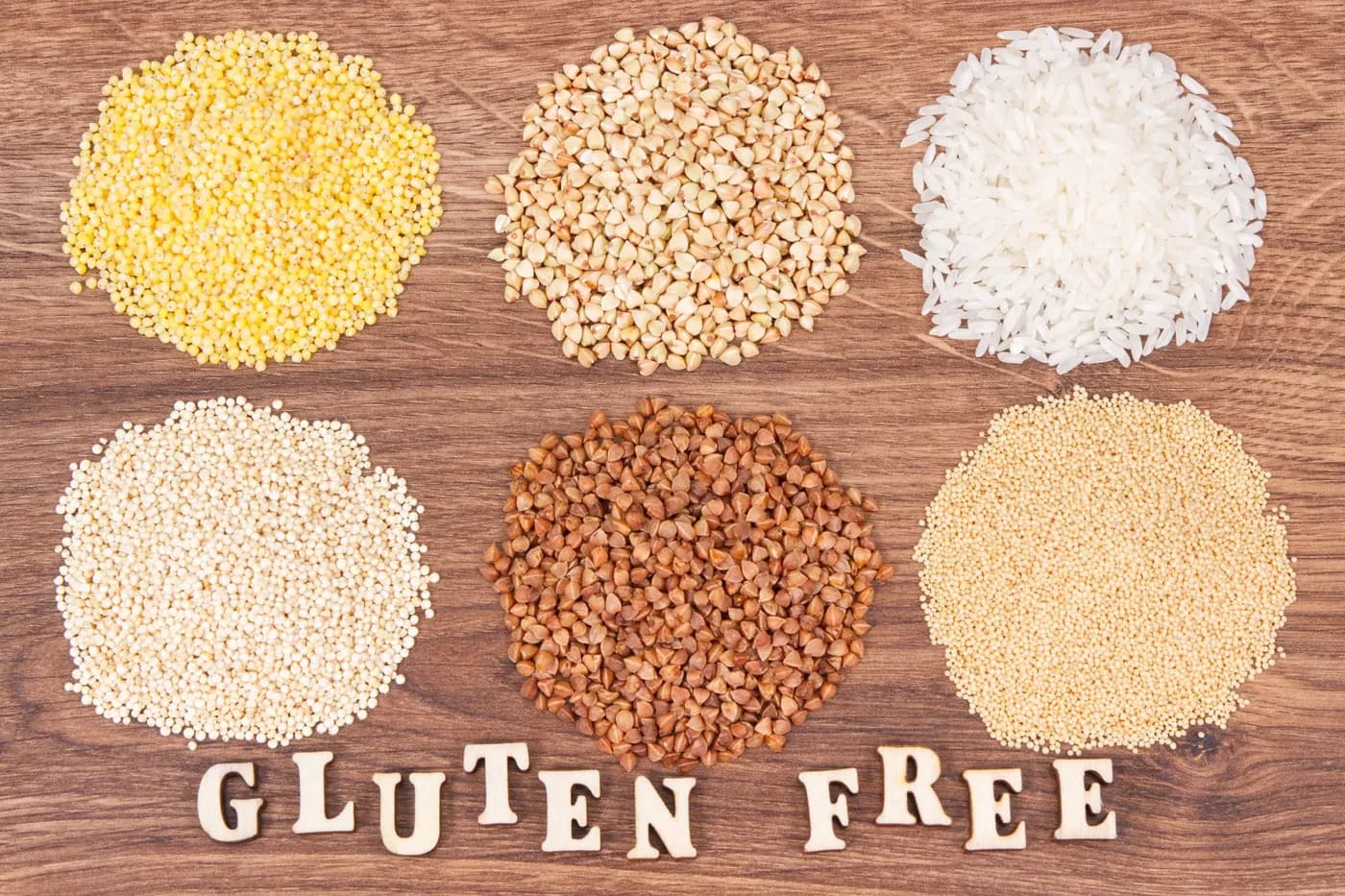
Many flours already used in Indian kitchens are naturally gluten-free. Examples include rice, jowar, bajra, ragi and besan. Kuttu and rajgira are other options used in some regional and fasting foods.
Naturally gluten-free describes the grain or ingredient itself. Milling, storage or mixing with wheat can introduce gluten, which becomes important when strict avoidance is medically necessary.
Jau is barley and contains gluten. Semolina, maida and ordinary wheat atta also contain it. A flour being traditional, millet-like in appearance or used during a fast does not establish that it suits a coeliac diet.
Match the flour to the dish
Besan works well in a chilla because it can form a batter without needing stretchy wheat dough. Rice flour can help with crispness in some recipes. Jowar and bajra suit specific flatbread methods, while ragi brings its own flavour and colour.
For a first attempt, use a recipe designed for that flour. The water amount, resting time and handling can differ from the method you use for atta. A familiar dish made with a new flour is not always a direct substitution.
Try a small batch before preparing it for guests or a week’s meals. That gives you room to adjust texture without wasting an expensive pack.
Why baking blends contain several ingredients
A gluten-free baking blend may combine flour with starches such as tapioca, potato or maize starch. Some include binders such as xanthan gum or psyllium to help hold structure and moisture.
Those ingredients have a cooking purpose. A blend designed to replace wheat in cake is different from a bag of pure millet flour. Substituting one for the other can change the result substantially.
Follow the blend’s intended use and the recipe. Adding extra gum to a product that already contains it can make food unpleasantly sticky. Coconut flour is especially absorbent, so it generally cannot replace atta spoon for spoon without major recipe changes.
Gluten-free does not mean higher in protein or fibre
A blend based mainly on refined starch can be low in fibre and protein. A flour made from a pulse or whole millet may offer more of those nutrients. The gluten-free label alone does not answer the nutrition question.
For everyday meals, combine the flour with other useful foods. A rice-flour preparation can be served with dal; a jowar roti can accompany a bean dish and vegetables. You do not need every component to provide every nutrient.
Gluten-free biscuits, cakes and packaged snacks can still contain substantial sugar, salt and fat. They may be suitable for avoiding gluten while remaining occasional foods rather than a nutritional upgrade.
When strict avoidance matters
Coeliac disease is an immune condition in which gluten damages the small intestine. It requires a consistent gluten-free diet, including attention to cross-contact. Wheat allergy is different, and an allergy plan may involve separate considerations.
If coeliac disease is suspected, speak to the clinician arranging testing before removing gluten. Starting a gluten-free diet beforehand can make diagnostic tests less reliable.
For someone without coeliac disease or another clear reason, eliminating gluten is not automatically useful for weight loss, energy or digestion. Symptoms after wheat can have more than one cause, so a permanent restriction based on an online checklist may miss the issue.
Manage a shared kitchen practically
When strict avoidance is needed, flour dust and shared equipment deserve attention. A local mill processing wheat may not be able to provide uncontaminated flour simply because your grain was gluten-free.
Useful steps include:
- Store gluten-free flour in a separate, closed container.
- Use clean bowls, work surfaces and utensils when preparing it.
- Keep wheat flour dust away from the preparation area.
- Avoid shared toasters or cooking surfaces where crumbs remain, unless they can be made reliably suitable.
The purpose is to prevent gluten from reaching the finished food, not to replace every object in the kitchen without considering how it is used. A dietitian familiar with coeliac disease can help make the setup workable.
Keep variety on the plate
If gluten-free eating is necessary, rotate suitable grains and pulses rather than relying entirely on a white starch blend. Rice, millet dishes, beans, vegetables and other naturally gluten-free foods can form the foundation.
Introduce a higher-fibre flour gradually if your usual meals have little fibre. Stronger flavours or denser textures may also take time to get used to, so pair a new roti with a familiar dish.
Store flours in dry, closed containers and refrigerate or freeze suitable products if needed in warm weather, following storage directions. Whole-grain and nut flours can become rancid sooner than expected.
A useful gluten-free flour is one that meets your safety needs, cooks well for the recipe and fits your budget. It does not need to imitate wheat in every dish or carry a promise of better health for everyone.
Editorial sources
Frequently Asked Questions
Related Articles
Cornstarch vs Corn Flour: The Difference in an Indian Kitchen
White cornflour and makki atta have different kitchen roles. Understand the naming differences and choose the right ingredient for the recipe.

Gluten: Who Needs to Avoid It and Who Does Not
Separate medical gluten avoidance from diet trends and make food choices with a clear purpose.

Gluten Free Foods: A Practical Guide for Celiac Disease and Sensitivity
Indian kitchens already have a long list of naturally gluten-free options — rice, millets, pulses, and more — that can form a complete diet without.
Gluten Free Desserts: Naturally Gluten-Free Sweets to Try at Home
Indian sweet-making has long relied on rice flour, besan, ragi, and coconut rather than wheat, so many traditional desserts are naturally gluten-free.