
Granola: Build a Breakfast That Matches Your Appetite
Granola can add convenient crunch to breakfast. Choose a comfortable portion and build the rest of the bowl around foods that satisfy you.
Key Takeaways
- Granola is energy-dense, so start small.
- Honey and jaggery still add sugar.
- Add protein to make the bowl a meal.
- A simple homemade batch is easy to make.
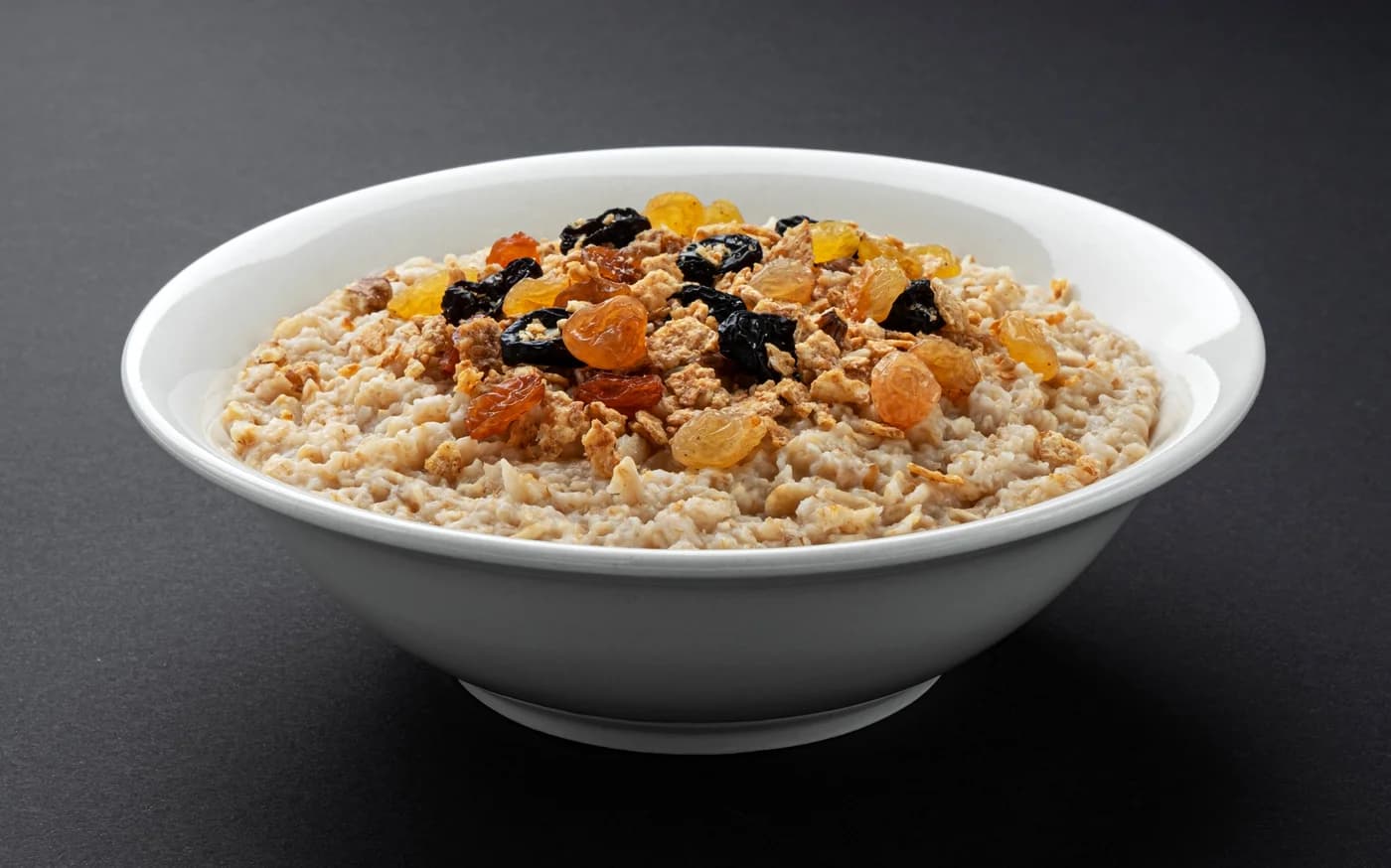
Granola is crunchy, convenient and easy to pour. It usually combines oats or other grains with nuts, seeds, a sweetener and some fat, then bakes them into loose pieces or clusters. That can make it a useful breakfast ingredient, but also an energy-dense one. A modest topping and a large cereal bowl are very different servings, even when they come from the same wholesome-looking bag.
Granola, oats and muesli are different
Plain oats are a grain ingredient that you can cook or soak. Muesli is commonly an unbaked mixture of grains, nuts, seeds and dried fruit. Granola is usually baked with additions that help flavour and crispness.
Recipes vary, so none of those names alone tells you the sugar or energy in your serving. A granola with many nuts may differ substantially from one made mostly of sweetened grain clusters.
Choose the texture you enjoy, then consider how you will use it. You do not need to buy granola if plain oats already make a breakfast you like. Convenience and taste can justify the choice without turning one option into the only healthy one.
What can it offer?
Oats and other whole grains can contribute fibre. Nuts and seeds add unsaturated fat, some protein and other nutrients. Dried fruit supplies flavour and carbohydrate in a compact form.
Those are useful ingredients, but their proportions matter. A few seeds scattered through a sweet cereal do not make the whole product equivalent to a substantial nut serving.
Likewise, granola is not always a high-protein food. Milk, plain curd or a suitable alternative often contributes much of the protein in the finished breakfast. Thinking about the bowl as a meal gives a more useful picture than assessing the dry mixture alone.
Start with a smaller amount than the bowl suggests
A portion around 30–40 g can be a practical starting point for many granolas, particularly as a topping. That is not a universal serving rule; density and appetite vary.
If you want to understand your usual pour, measure it once. A deep bowl may hold several packet servings before it looks full, especially when clusters settle together.
Use curd, milk and fruit to build the rest of breakfast rather than repeatedly adding dry granola until the bowl looks substantial. This can make the meal more satisfying while letting you enjoy the crunch. Someone with higher needs may eat more, but the amount should be intentional.
Honey and jaggery still add sugar
Granola may be sweetened with sugar, honey, maple syrup, jaggery or fruit concentrates. A familiar or natural-sounding sweetener is still relevant to the amount of free or added sugar.
You do not need to avoid every sweetened version. For a product eaten most mornings, a less sweet option can be a useful choice, particularly if you also add sweet yoghurt or syrup.
Start with one simple comparison between products you would realistically buy. Look at the same quantity and consider the taste you prefer. There is no need to decode every ingredient before breakfast, but the words honey oat do not settle the sugar question.
Make the bowl work as a meal
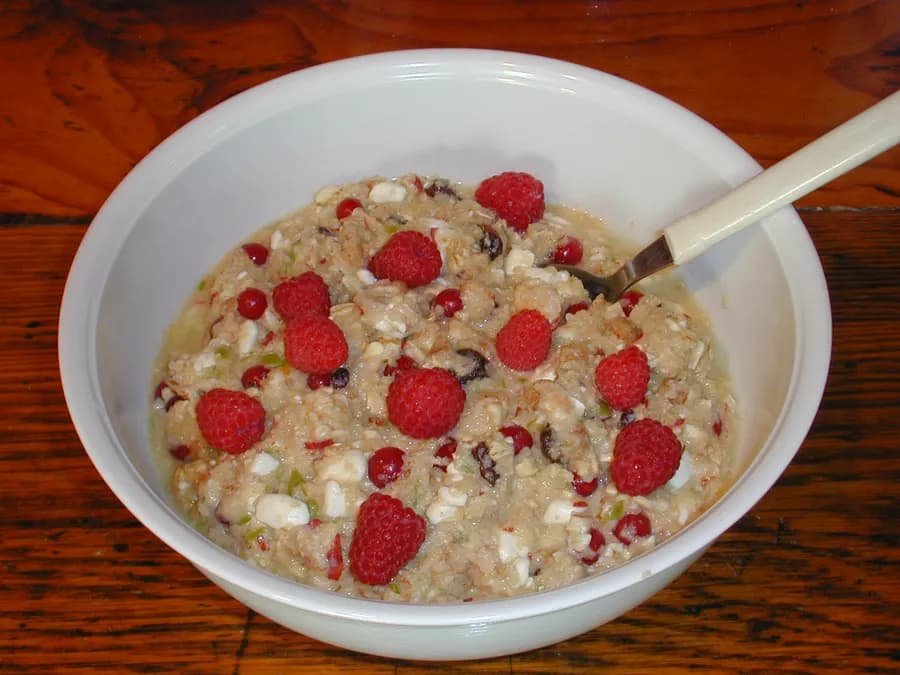
Try plain curd with chopped seasonal fruit and a measured sprinkle of granola. Alternatively, use milk and add fruit separately if you prefer the granola to stay crisp.
If that leaves you hungry quickly, look at the amount of the protein food and the total meal before blaming your appetite. A few spoonfuls of thin yoghurt under a large pile of cereal may not provide the balance you expected.
You can also have granola beside a savoury breakfast rather than as the whole meal. There is no nutritional rule that every ingredient must be combined into one large bowl.
Weight management depends on the full routine
Granola does not independently cause weight gain or weight loss. It can fit either a lower- or higher-energy pattern depending on portion and what else is eaten.
It may be useful for someone with a small appetite who needs compact food. Someone trying to reduce excess energy intake may prefer a smaller topping over a larger base of plain curd and fruit.
Avoid treating the same portion as correct for everyone. The relevant question is whether the breakfast meets your needs and remains satisfying. A health claim on the bag should not make you ignore a repeated generous pour or force yourself to eat too little.
Make a simple batch at home
Combine oats with a modest amount of nuts or seeds, a little oil and enough sweetener for the texture you want. Spread the mixture on a tray and bake gently, stirring and watching so it does not burn.
Let it cool fully before storing, because it crisps as it cools. Add dried fruit afterwards if that suits the recipe and prevents it becoming too hard or scorched.
Homemade gives you control over the recipe, but it is not automatically low in sugar or calories. Measure the additions the first time so you know what you enjoy. There is no need for an elaborate collection of expensive nuts to make a useful batch.
Consider allergies and digestion
Nuts, seeds, milk ingredients, wheat or other allergens may be present, depending on the recipe. Shared equipment can matter for someone with a diagnosed allergy.
For coeliac disease, oats need to be suitable gluten-free oats and the whole product must meet the relevant requirement. An oat-based appearance alone is not enough.
A sudden increase in fibre, nuts or dried fruit can cause discomfort for some people. Begin with a comfortable amount rather than adding a large bowl because the ingredients sound healthy. A version that suits your digestion is more useful than one with an impressive ingredient list.
Keep the crunch fresh
Store granola airtight, dry and away from heat. Cool a homemade batch before closing the container, and use a clean dry spoon.
Buy an amount you can finish while it tastes fresh. Nuts and oils can become rancid, so discard a batch with an unpleasant stale smell or flavour rather than hiding it under extra sweetener.
Granola works best when it has a clear role: convenient crunch within a nourishing breakfast. Enjoy the flavour and adjust the rest of the meal around your appetite instead of asking a cereal label to design the whole day.
Editorial sources
Frequently Asked Questions
Related Articles
Muesli: Build a Breakfast That Keeps You Satisfied
Build a practical muesli breakfast without relying on a health claim on the packet.

Oats Nutrition: Types, Fibre, Portions and Breakfast Ideas
Oats provide carbohydrate, soluble fibre called beta-glucan, protein and minerals. Steel-cut, rolled and instant oats differ in cooking time.
Healthy Breakfast Options: What Actually Makes a Breakfast Good for You
A good breakfast has enough protein to keep you full, enough fibre to steady blood sugar, and not much added sugar — most packaged cereals and bakery.
Muesli for Weight Loss: Does It Actually Work?
No single food, muesli included, makes you lose weight on its own — what matters is whether it replaces a low-fibre breakfast and what’s actually in the.