
Muesli: Build a Breakfast That Keeps You Satisfied
Build a practical muesli breakfast without relying on a health claim on the packet.
Key Takeaways
- Muesli mixes vary widely in sugar and dried fruit.
- Start with a mainly oat and nut base.
- Add curd or milk for protein.
- With diabetes, check portions and added sugar.
Muesli is convenient: pour it into a bowl, add milk or curd and breakfast is nearly ready. But one mix may be mostly oats and nuts, while another contains sweetened flakes, chocolate and a large amount of dried fruit. The name does not guarantee a balanced breakfast. What goes into the bowl, including the toppings and liquid, makes the difference.
What is muesli?
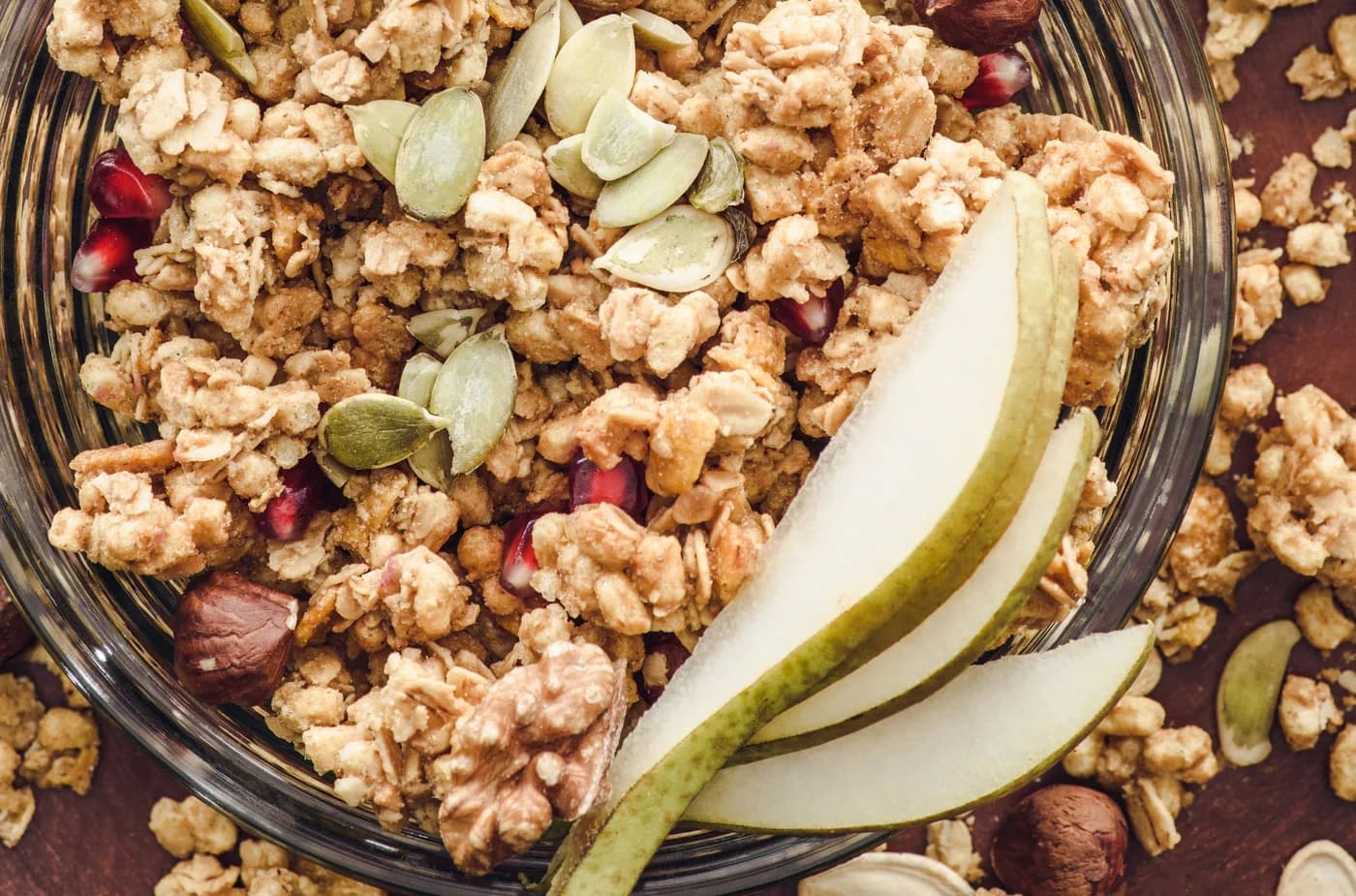
Muesli is generally a mixture of cereal flakes, often oats, with ingredients such as nuts, seeds and dried fruit. Some versions are plain, while others are toasted, sweetened or made into crunchy clusters.
Granola is often baked with added sweeteners and oil, although products overlap. Rather than relying on the name to settle the comparison, think about what the mix contains and how much you eat.
You can buy a ready mix or make a simple one at home. There is no need for an imported brand or a long list of rare seeds to create a useful breakfast.
Start with the grain base
Plain oats or other wholegrain flakes can provide carbohydrate and fibre. That gives the bowl substance, but not necessarily enough protein for a satisfying complete meal.
A mix dominated by sweetened cereal pieces may be closer to a dessert-style breakfast than the plain oats shown on the packet. If you want an uncomplicated choice, a no-added-sugar mix with a clear wholegrain base is a reasonable starting point.
You do not need the product to be entirely free of naturally occurring sugars. Raisins or other dried fruit can contribute sweetness without added sugar, although their amount still influences the bowl.
Give the bowl a protein partner
Milk, curd or an appropriate high-protein yoghurt can make the meal more substantial. For a dairy-free option, unsweetened fortified soy milk or a suitable soy yoghurt may be useful, depending on the product.
Many almond, rice and oat drinks provide less protein, so a splash of one may not do the same nutritional job. You can still choose it for taste, while obtaining protein elsewhere in the meal.
The main question is whether the breakfast carries you comfortably through your morning. If you are hungry again very soon, add substance rather than simply increasing the dry cereal indefinitely.
Serve once, then adjust to appetite
It is easy to pour a large amount into a deep bowl. Start with a modest serving, such as around 30–40 g of dry muesli for an initial trial, then add your liquid and fruit. This is a practical starting point, not a universal prescription.
If that is too small for your needs, increase the meal sensibly. A physically active person may need more food than someone with a smaller appetite.
Pay attention to the toppings too. Nuts and seeds are useful but energy-dense, and several generous handfuls can turn a light-looking bowl into a much larger meal than intended. A small amount can provide plenty of crunch.
Fresh fruit and dried fruit play different roles
Fresh banana, apple, papaya or seasonal berries can add moisture, flavour and volume. Choose what is available and reasonably priced rather than assuming breakfast needs imported fruit.
Dried fruit is more concentrated and easy to add in large amounts. If the mix already contains plenty of raisins or dates, you may not need honey, syrup or extra dried fruit on top.
Taste after adding the milk or curd and fresh fruit. You may find the bowl sweet enough. Reducing unnecessary additions is often easier than searching for a perfect packet and then sweetening it heavily at home.
Make your own simple mix
Combine plain oats with a smaller quantity of chopped nuts and seeds you enjoy. Add a little dried fruit if you want it, or keep the base plain and use fresh fruit each morning.
For example, oats with chopped almonds and pumpkin seeds can become one bowl; peanuts and a few raisins can create a more economical version. Variety can come from the fruit and spices rather than a completely different dry mix every day.
Store the dry mixture in a sealed container and make an amount you can finish while it is fresh. In warm conditions, nuts and seeds may keep better chilled. Discard a mix that smells stale, bitter or rancid.
Overnight muesli can save time
If you prefer a softer texture, soak the mix in milk or curd in the refrigerator overnight. Use a covered container and add more liquid if it becomes too thick.
Add fresh fruit when serving if you prefer its texture that way. A little cinnamon or cardamom can provide flavour without extra sweetness.
Do not leave a milk-based bowl on the counter all night. Overnight refers to preparation ahead, not permission for warm storage. For travel, keep the prepared bowl cold or carry the dry mix separately and add a suitable liquid when ready to eat.
What if you have diabetes?
Muesli contains carbohydrate from grains, dried fruit and sometimes added sweeteners. A no-added-sugar claim does not make it carbohydrate-free.
A suitable portion with a protein-containing base may fit better than a large bowl with juice, honey and extra dried fruit. If you monitor glucose, judge the actual meal rather than the front-of-pack health message.
You do not have to ban cereal entirely. Plain oats or a simpler homemade mix may make portions and ingredients easier to manage. Keep the meal plan workable instead of turning breakfast into an ever-growing list of restrictions.
Check the few things that matter to you
For a nut allergy, the nuts and cross-contact information are important. For coeliac disease, ordinary oat or grain mixes may be unsuitable; use a product meeting your gluten-free needs.
Otherwise, focus on a few practical features: the grain base, added sweetness, protein partner and portion. There is no need to analyse every minor ingredient before eating breakfast.
Muesli can be a useful answer to a rushed morning, but it is not compulsory. If you prefer idli with sambar or a vegetable chilla with curd, those can work too. Choose a breakfast you enjoy, prepare it safely and make it substantial enough for your day.
Editorial sources
Frequently Asked Questions
Related Articles
Oats Nutrition: Types, Fibre, Portions and Breakfast Ideas
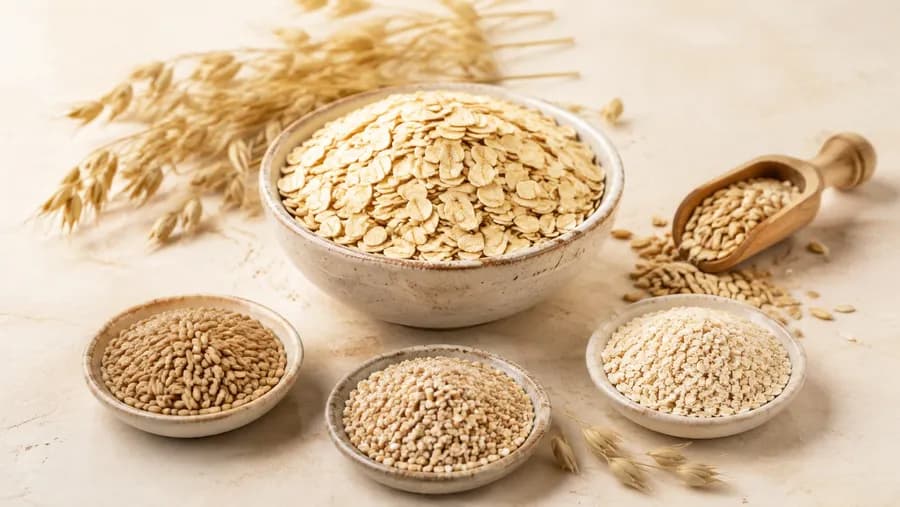
Oats provide carbohydrate, soluble fibre called beta-glucan, protein and minerals. Steel-cut, rolled and instant oats differ in cooking time.

Oats Benefits: Types and How to Eat Them
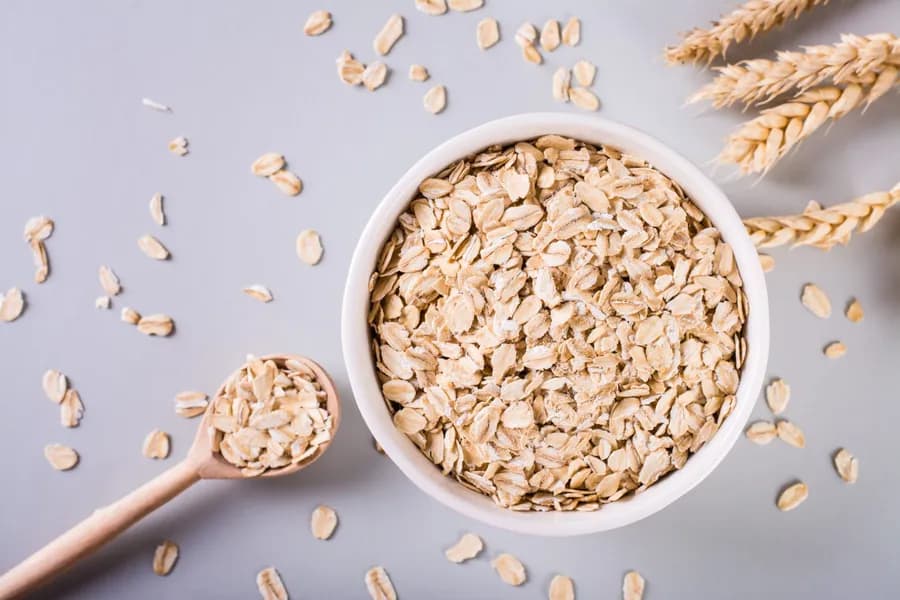
Oats provide soluble fibre called beta-glucan. Learn the main types, realistic benefits and easy sweet or savoury meal ideas.
Steel Cut Oats for Weight Loss: Why the Texture Matters
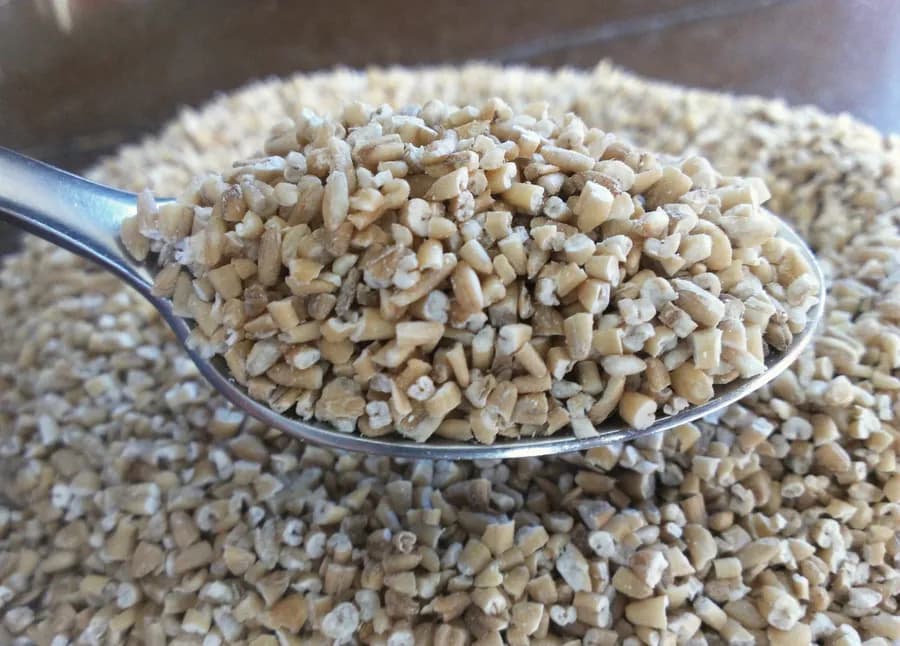
Steel cut oats digest more slowly than instant oats, which can mean fewer blood sugar spikes and longer fullness. See why the texture makes the difference.
Muesli for Weight Loss: Does It Actually Work?
No single food, muesli included, makes you lose weight on its own — what matters is whether it replaces a low-fibre breakfast and what’s actually in the.