
Healthy Meals That Work on Busy Indian Days
Practical ways to make everyday breakfasts, lunchboxes and dinners more balanced.
Key Takeaways
- Healthy meals can start with leftovers like dal.
- Combine protein, vegetables and a staple on the plate.
- Portions should fit the person, not a fixed rule.
- Plan a fallback for days when cooking falls through.
It is 8 pm, you are hungry, and there is half a bowl of dal in the fridge. A healthy dinner does not have to begin with a new recipe or a shopping trip. Warm the dal, add a quick vegetable dish and have it with roti or rice. Ordinary food can do the job when the parts of the meal work together.
Give the meal something to work with
A useful meal brings together a protein food, vegetables and a source of carbohydrate. Some fat adds flavour and helps make the food satisfying. These parts can sit separately on a plate or come together in a single dish.
For a vegetarian kitchen, protein might come from dal, chana, rajma, soy, tofu, paneer or curd. Rice, roti, millets, potatoes and other starchy foods provide energy. Vegetables add variety, fibre and texture.
You do not have to measure every component at every meal. Start by noticing what is missing. Plain noodles may need tofu and vegetables; a plate of fruit may need curd or another substantial food if it is meant to be breakfast.
Upgrade the breakfast you already make
Changing a familiar breakfast is often easier than learning a new one. If poha is your usual choice, add peas and peanuts, and have curd alongside. If you prefer idli, serve it with a generous bowl of sambar rather than relying mainly on chutney.
Besan chilla can take grated carrot, onion or spinach. A curd dip makes it more substantial. Oats need not be sweet: cook them with vegetables and serve with a protein food you enjoy.
Tea and two biscuits may be convenient, but they often leave little food in the meal. If mornings are rushed, keep one option ready: curd and fruit, a prepared chilla batter, or leftover vegetable dal that can be eaten with toast.
Breakfast does not have to look like breakfast food. A small bowl of yesterday's rajma and rice is a perfectly reasonable choice when stored and reheated safely.
Pack a lunch that survives the afternoon
A lunchbox made almost entirely of rice or rotis can be improved without removing those foods. Reserve space for dal, beans, paneer or tofu, then add vegetables. The idea is to add balance rather than turn lunch into a small salad you do not enjoy.
Try lemon rice with chana and cucumber, roti with paneer bhurji and beans, or vegetable khichdi with curd. These combinations are practical because their ingredients overlap with ordinary household cooking.
If you tend to get hungry soon after lunch, look at how much you packed and whether there was a substantial protein food. Hunger is useful information. It does not automatically mean you need more discipline or a special drink.
Make one-pot dinners more complete
One-pot food saves effort, but its balance depends on what goes into the pot. A vegetable pulao with a few peas is different from a pulao with a meaningful portion of chickpeas or soy chunks.
For khichdi, use enough dal to make it more than rice with a little colour. Add vegetables you have, then serve curd if it suits you. For a quick soup dinner, include lentils or beans and have bread or another grain alongside.
The same principle works for pasta and noodles. Add vegetables for bulk and variety, and include tofu, beans or another protein source. A homemade meal can still be mostly refined carbohydrate if the additions are only decorative.
Choose portions that fit the person
There is no single number of rotis that makes a meal healthy. A physically active adult, a smaller older person and a growing teenager will not necessarily need the same amount of food.
Serve a comfortable starting portion, eat without rushing when possible and take more if you remain hungry. For weight management, it can help to reduce extras that add a lot of energy without much fullness, such as frequent sugary drinks or generous amounts of oil.
Avoid making the meal so small that you spend the evening searching for snacks. A sustainable portion should support the rest of your day, including movement, work and concentration.
A short shopping list can offer variety
You do not need a different set of ingredients for every recipe. A few versatile foods can become several meals:
- Cooked chana can go into a curry, chaat or lunchbox salad.
- Curd can accompany meals, become raita or make a snack with fruit.
- Frozen peas can improve poha, pulao and vegetable dishes.
- Cabbage, carrots and beans can work in sabzi, soup or chilla.
- Dal can become dinner, a thicker filling or a quick next-day lunch.
Seasonings create variety too. Lemon and coriander, tomato and cumin, or a mild coconut base give familiar ingredients different flavours. Variety does not require twenty items in the fridge.
Plan for the day cooking falls through
A realistic routine includes backup meals. Keep ingredients for two dinners that take little thought, such as vegetable dalia with curd and a bean sandwich with a vegetable side.
Ordering food can also fit. Choose a meal with a clear protein component and vegetables, then adjust the amount of rice or bread to your appetite. You do not need to compensate the next morning by skipping meals.
For more combinations, Habuild's balanced diet chart can help you think through a week without making every day identical.
Save time without compromising storage
Batch cooking helps only if the food is kept safely. Cool leftovers promptly, refrigerate them and reheat the portion you need until steaming hot. Keep lunchboxes cool where necessary, especially dishes containing dairy or cooked foods held for hours.
Make preparation small enough to repeat. Washing vegetables, boiling one batch of beans or keeping a ready spice mixture may be sufficient. A five-hour Sunday cooking session is not a requirement for eating well.
Start with the meal that causes the most trouble in your week. Improving that one meal can reduce daily stress more than designing a perfect menu that you rarely follow.
Editorial sources
Frequently Asked Questions
Related Articles
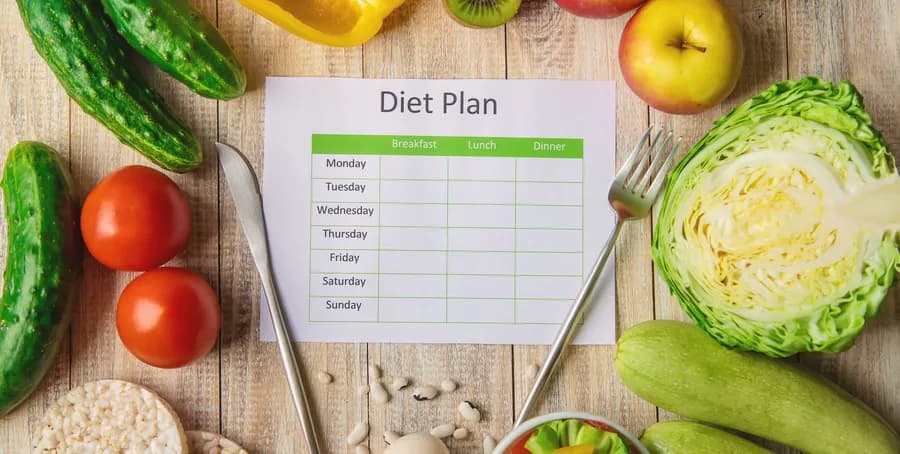
Balanced Diet Chart for a Week: A Practical Example for Indian Households
A balanced diet chart is easiest to understand as a template, not a timetable — a way of thinking about protein, fibre, carbs, and fat across your meals..


Diabetic Meal Plan Indian Style: A Full-Day Guide to Balanced Eating
A diabetic meal plan doesn’t mean giving up dal, roti, or rice — it means getting portions, timing, and combinations right. See a full day of eating.
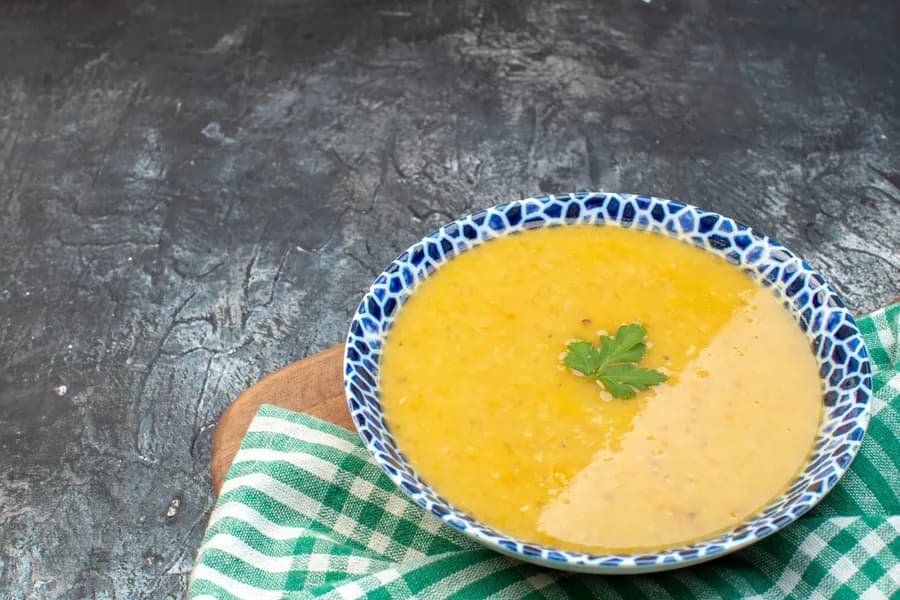
Moong Dal Soup Recipe: A Light Protein-Rich Meal
A simple moong dal soup with jeera, haldi, and a little ghee makes a light, protein-rich meal that works for lunch, dinner, or recovery after a tiring.

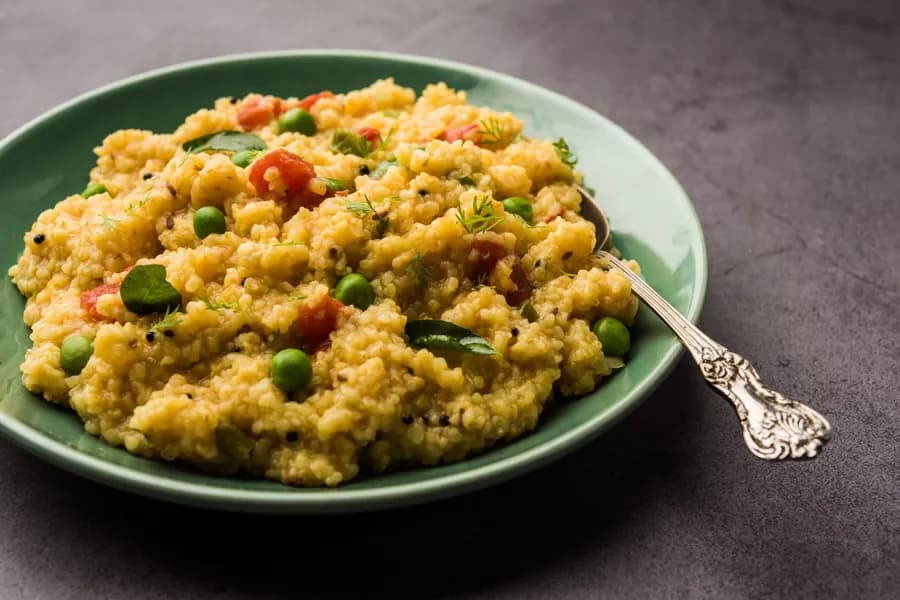
Veg Daliya Recipe: A Simple High-Fibre Meal
Veg daliya recipe made with broken wheat or millet daliya, mixed vegetables, jeera and ghee. A simple high-fibre meal for breakfast or lunch.