
High-Cholesterol Foods: What to Limit and What to Eat Instead
Look beyond a food's cholesterol number. Learn which everyday fats to reduce and what to put on the plate instead.
Key Takeaways
- Food cholesterol and blood cholesterol are different.
- Saturated fat matters more than food cholesterol.
- Cholesterol-free does not mean heart-healthy.
- Keep prescribed cholesterol treatment in place.
A food can contain cholesterol without being the main reason your blood cholesterol is high. Equally, a food labelled cholesterol-free can still contain plenty of saturated fat and raise LDL cholesterol. This distinction makes meal decisions easier. Rather than memorising a frightening list, focus on the fats you eat regularly and the foods that replace them, while keeping any prescribed treatment in place.
Food cholesterol and blood cholesterol are different
Dietary cholesterol is found in animal-derived foods such as egg yolks, meat and dairy. Blood cholesterol is carried in particles including LDL and HDL, and your body makes cholesterol as well as obtaining it from food.
Responses to dietary cholesterol vary. Saturated and trans fats are important influences on LDL, so looking only at the cholesterol content of a food can miss the bigger dietary pattern.
High LDL usually causes no obvious symptoms. Feeling lighter after a meal or noticing better digestion cannot tell you whether your level has improved. A blood test, interpreted with your overall cardiovascular risk, gives more useful information.
Start with frequent sources of saturated fat
Ghee, butter, cream, full-fat cheese and rich dairy desserts can contribute saturated fat. So can fatty meat and processed meat for people who eat them.
Coconut and palm oils are plant-derived but also relatively high in saturated fat. This is why a vegetarian diet is not automatically low in it. Coconut-rich gravies, ghee on several rotis and regular bakery snacks can add up within the same day.
You do not need to ban every familiar ingredient. Identify what you use most often and in the largest amounts. Reducing a repeated generous pour may matter more than worrying about a tiny occasional garnish.
Cholesterol-free is not a complete health claim
Biscuits, fried namkeen and sweets made with plant fats may contain no cholesterol but still be rich in saturated fat, refined starch or added sugar. The wording on the front of a pack does not describe the whole food.
Similarly, switching from butter to a large amount of coconut oil does not necessarily improve the fat pattern. Both can contribute substantial saturated fat.
When choosing a food you eat frequently, look at what it is made from and how much you usually have. You do not need to inspect every package in detail; understanding a few regular purchases is enough to make useful changes.
Replace the fat instead of simply adding more
Use modest amounts of oils richer in unsaturated fats, such as suitable mustard, groundnut, sunflower or olive oil, in place of some ghee or butter. The choice can fit the recipe, budget and local availability.
Adding nuts on top of an unchanged rich diet is different from replacing a fried snack with a small handful of plain nuts. The second changes what you eat; the first may simply add energy.
Avoid turning oil into a health drink. Even an oil with a favourable fat profile is concentrated energy and works as an ingredient, not something to consume by the spoon for cholesterol reduction.
Give pulses and fibre a regular place
Dal, rajma, chana, vegetables, fruit and whole grains make the eating pattern more useful than a list of forbidden foods alone. Oats and barley provide soluble fibre of a type that can help lower LDL as part of an overall diet.
You could have vegetable oats at breakfast, dal and sabzi with roti at lunch, or a bean-based dinner. These meals do not need to be oil-free; use enough for preparation without allowing the fat to dominate.
Increase fibre gradually if your current intake is low. Very large new servings can cause discomfort, which makes the change harder to maintain. A regular manageable portion is more useful than an occasional enormous bowl.
Paneer, curd and milk need portion choices
Full-fat paneer can provide protein while also contributing saturated fat. A smaller portion, a lower-fat version or replacing some meals with tofu and pulses can help vary the pattern.
For curd and milk, lower-fat options may be useful when reducing saturated fat, provided they suit your nutritional needs. Sweetened flavoured products introduce another consideration beyond fat.
Preparation matters too. A modest paneer portion in a vegetable dish differs from a large portion in butter-and-cream gravy. The protein content does not cancel the rest of the recipe, and you do not need to stop eating every dairy food to make an improvement.
Eggs and shellfish are not the same as rich processed meals
Egg yolks and shellfish contain dietary cholesterol, but their saturated-fat content and the way they are prepared differ from foods such as fatty processed meat. This is why a single cholesterol ranking can be misleading.
If you eat eggs, an egg with vegetables and a small amount of oil is different from a breakfast with butter, cheese and processed meat. Personal advice may differ when LDL is high or cardiovascular risk is significant.
There is no reason to start eating eggs or fish if you prefer a vegetarian diet. Pulses, tofu and other suitable foods can provide protein while you make changes elsewhere.
Keep sweets and fried snacks occasional
Frequent rich sweets and deep-fried snacks can crowd out more useful food and add considerable energy. Refined carbohydrates, sugary drinks and excess alcohol can also be relevant when triglycerides are raised.
LDL cholesterol and triglycerides are different measures, so a plan should reflect what your results show. Replacing all fat with sugary low-fat snacks is not an improvement simply because the fat number falls.
Choose one or two changes that match your routine: less ghee at meals, a pulse-based lunch more often, or fruit and plain nuts instead of a daily bakery snack. Food you can repeat is more useful than a strict plan that lasts a few days.
Diet is part of care, even when medicine is needed
Genetics, age, diabetes, thyroid problems and other factors can influence cholesterol. Someone with familial hypercholesterolaemia may have very high LDL despite thoughtful eating. That is not evidence of poor effort.
Do not delay or stop a statin or another prescribed treatment while waiting for a home remedy. Diet and medicine can work together. Activity, tobacco cessation and appropriate follow-up also affect cardiovascular risk.
Arrange repeat testing at the interval advised for your plan. The useful outcome is a lower long-term risk supported by results, rather than a temporary feeling of having eaten clean.
Editorial sources
Frequently Asked Questions
Related Articles
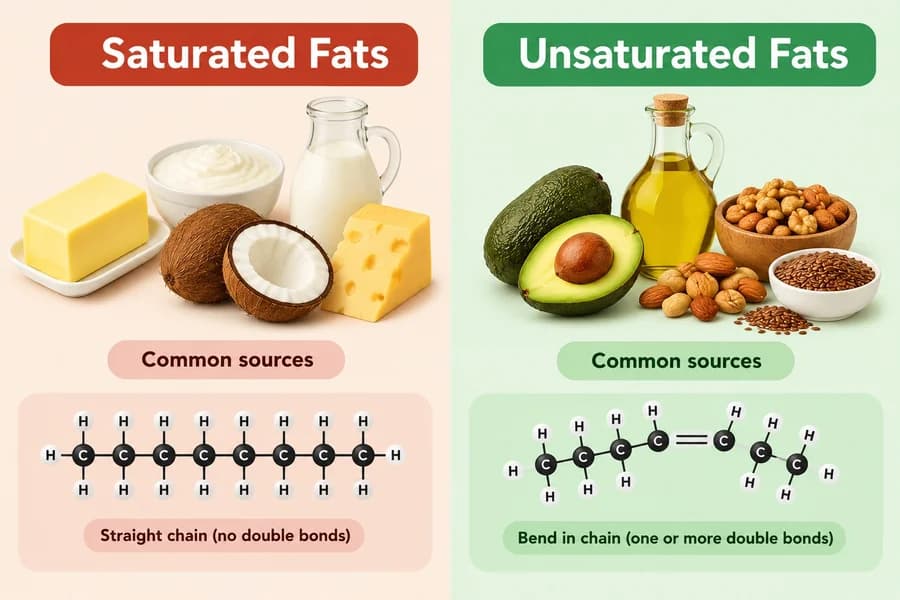
Saturated vs Unsaturated Fats: What Matters for Your Heart
Not all fats behave the same way in your body. Here is what saturated and unsaturated fats mean and the simple kitchen swaps that support heart health.


Saturated Fat: Indian Food Sources, Daily Limits and Simple Swaps
Saturated fat raises LDL cholesterol. See where it hides in Indian meals, what the WHO 10% limit means in grams and easy swaps.


How to Reduce Cholesterol: 8 Natural Ways to Lower LDL and Improve Heart Health
Daily exercise, dietary shifts, and stress management can lower LDL meaningfully within 8-16 weeks for most people, per the American Heart Association. See all 8 natural ways.

High-Dose Niacin: Flushing, Cholesterol Use and Safety
Why niacin acts like a drug at high doses: flushing, liver and glucose risks, what cholesterol trials found, and how to read a niacin label.