
Watermelon Benefits: Nutrition, Portions and Safety
Watermelon is mostly water, making it refreshing and relatively low in calories by weight, but large bowls or juice still add up in carbohydrate.
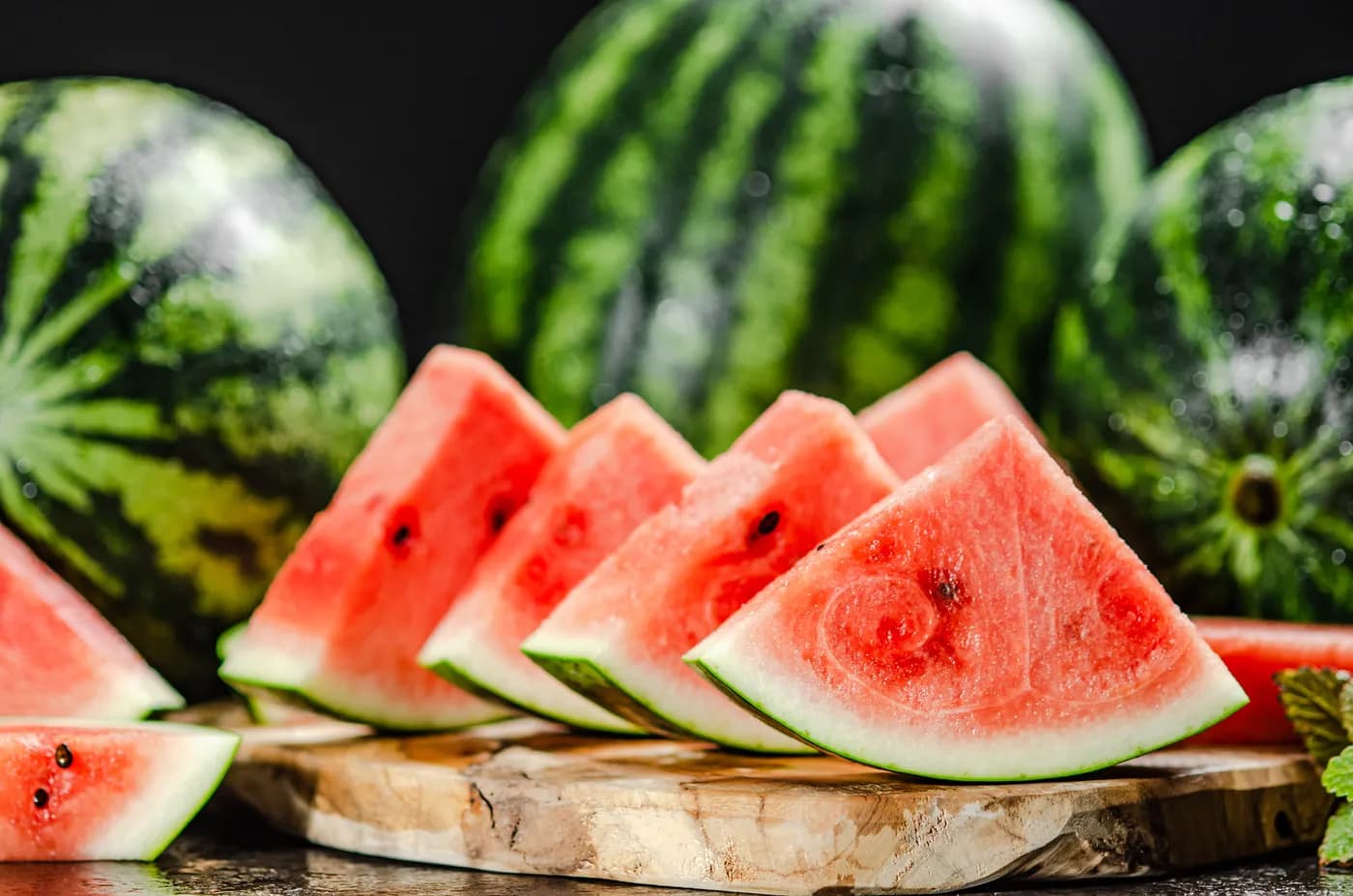
Key Takeaways
- Watermelon is mostly water and supplies vitamin C, potassium and, in red varieties, lycopene.
- Chewed pieces are more satisfying than juice, which packs several portions into one glass.
- Many people with diabetes can include a measured portion; glycaemic load matters more than GI.
- Refrigerate cut watermelon within two hours, sooner in hot weather, in a clean covered container.
Watermelon is mostly water, making it refreshing and relatively low in calories by weight. Its sweetness does not make it "only sugar", but a very large bowl or a juice serving can still deliver carbohydrate quickly.
Watermelon nutrition
Watermelon provides carbohydrate, vitamin C, potassium and carotenoids. Red varieties contain lycopene, a carotenoid also found in tomatoes, while yellow and orange varieties have a different pigment profile. They are not inferior simply because they contain less lycopene; rotating fruits gives a wider range of flavours and nutrients.
It is reasonable to describe watermelon as part of a diet rich in colourful produce. The realistic watermelon benefits come from that overall pattern, not from treating lycopene as a remedy for heart disease, infertility or sun damage.
Hydration: helpful, but not a replacement
Watermelon contributes to fluid intake, but it does not hydrate better than water, replace water through the day or supply enough sodium for every prolonged exercise situation. It also does not replace oral rehydration solution during significant fluid loss. Hydration needs depend on heat, sweat, duration and health.
It feels cooling because it is watery and usually served chilled, but it cannot prevent heat illness on its own. During hot-weather activity, take regular breaks, seek shade and follow a suitable fluid plan. Headache, confusion, fainting, hot dry skin or worsening weakness requires urgent cooling and medical help.
Portion size still matters
A thick slice, a bowl and half a large fruit are very different portions, and eating directly from a cut half makes quantity hard to notice. Watermelon can replace a more energy-dense snack, but it does not burn fat. Serve a bowl rather than eating from the whole fruit.
Whole pieces or juice?
Chewing pieces slows the pace and preserves the fruit structure. Juice, or a blended and strained drink, can be consumed quickly and may contain several portions in one glass. Added sugar, syrup, sweetened soda or sweetened ice widens the gap further.
If you prefer a drink occasionally, keep it unsweetened and modest rather than calling it detox water. The liver and kidneys already manage waste; watermelon does not cleanse them.
Watermelon and diabetes
Watermelon can fit many diabetes meal plans; portion and context matter more than a blanket ban. Glycaemic index describes the quality of carbohydrate under test conditions, while glycaemic load also accounts for the amount eaten. Watermelon's index may be relatively high, but the load of a modest portion is lower because the fruit holds so much water.
Pairing a measured serving with plain curd, nuts or another suitable food may improve satisfaction, although it does not remove the carbohydrate. Individual glucose responses differ, so total carbohydrate and personal readings are more useful than one index number.
Seeds and rind
This article focuses on the flesh and juice. For the seeds, including roasted watermelon seeds, see our guide to watermelon seed benefits. In brief, mature black seeds are generally edible when chewed, and swallowing a few is harmless for most people, but hard seeds should not be given to very young children because of choking risk.
The white rind can be cooked or pickled in some cuisines, though a rind recipe may contain substantial salt or sugar.
Choosing, storing and serving safely
Select a melon that feels heavy for its size and has an intact surface without soft, leaking areas. Wash the whole exterior before cutting, even though the peel is discarded, so the knife does not carry dirt inward. Use a clean knife and board.
Refrigerate cut pieces in a clean covered container within two hours, or sooner in very hot weather. Do not leave slices exposed at a warm picnic or roadside stall for hours. Discard melon that is slimy, fizzy, fermented-smelling or mouldy.
Digestive and kidney considerations
A large amount can cause fullness, loose stools or bloating in sensitive people, and those with irritable bowel syndrome may react to its fermentable carbohydrate. Start with a smaller bowl and observe symptoms. Persistent digestive symptoms, blood in stools, weight loss or night-time pain need medical assessment; switching fruits is not an adequate investigation.
Anyone following a prescribed renal restriction should stay within their individual fruit allowance.
Ways to serve it
Serve chilled cubes with mint and lime, add a modest amount to a fruit bowl, or pair it with plain curd and seeds. Avoid turning it into an oversized "healthy" bowl topped with several sweeteners. Seasonality matters too: muskmelon, citrus, guava and other local fruits can take its place at different times of year.
Editorial sources
Frequently Asked Questions
Related Articles
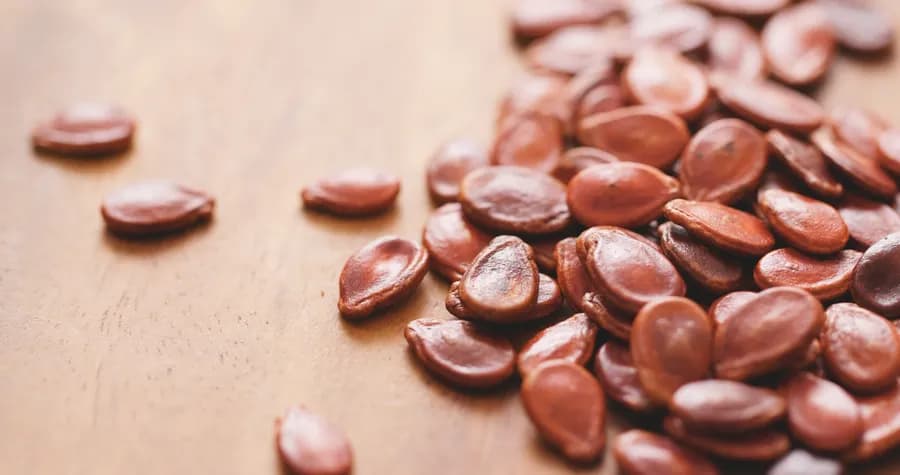
Watermelon Seed Benefits: Nutrition and Portions
Dried watermelon seeds provide protein, unsaturated fat, magnesium and other minerals in a compact serving.

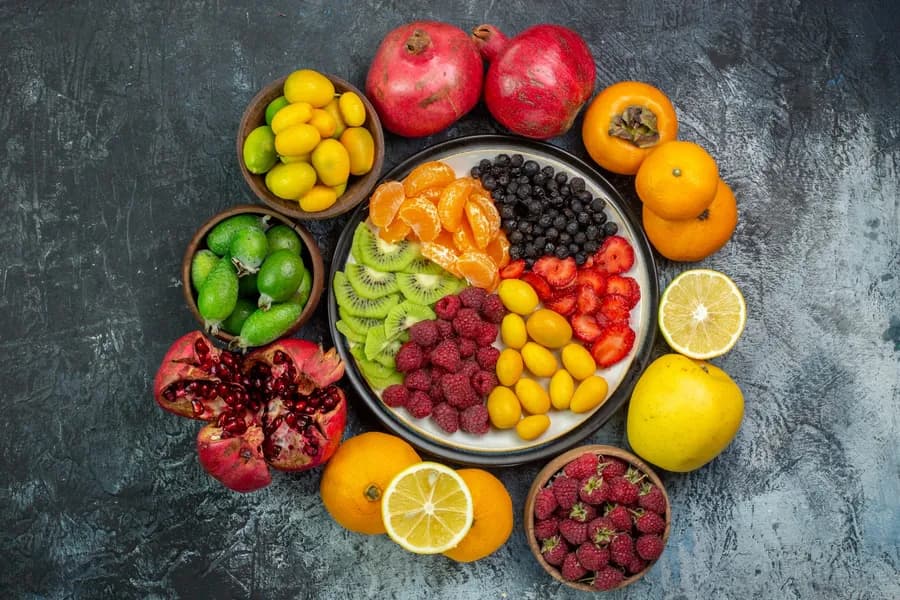
Healthy Fruits: How to Choose Variety, Portions and Seasonal Options
All whole fruits can contribute water, fibre, vitamins and plant compounds. The healthiest choice is usually a varied, affordable pattern.

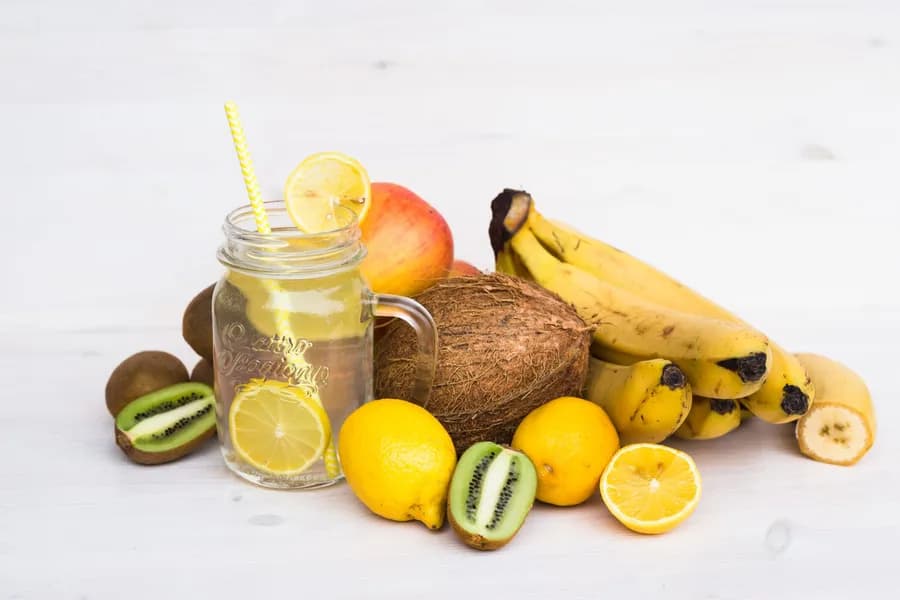
Electrolyte Rich Foods: Natural Sources for Everyday Hydration
For everyday hydration, electrolyte rich foods usually do the job just as well as a sports drink — often with less added sugar. See the best natural.