
Muskmelon: Nutrition, Portions and Safe Storage
Muskmelon nutrition, sensible portions, diabetes tips and how to wash, cut and store this summer fruit safely at home.
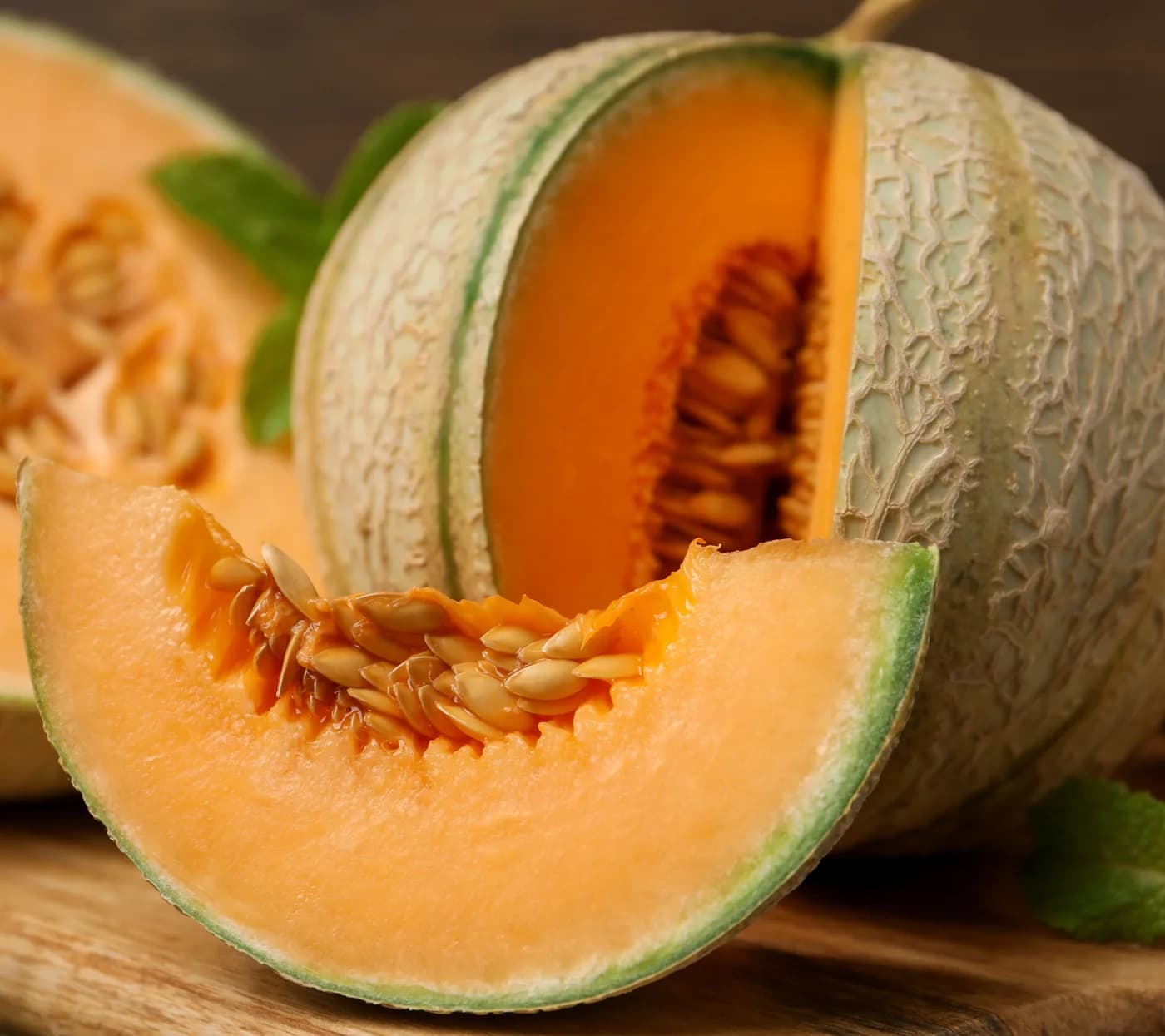
Key Takeaways
- Muskmelon gives water, vitamin C and, in orange varieties, beta-carotene.
- Whole pieces are more filling than juice; pair with curd or nuts for a fuller snack.
- People with diabetes can eat it in a measured portion rather than unlimited bowls.
- Scrub the rind under running water before cutting; never use soap.
- Refrigerate cut melon within 2 hours, or 1 hour when it is above 32°C.
Muskmelon (kharbuja) is a juicy summer fruit that provides water, vitamin C, carotenoids and natural carbohydrate. It is refreshing in hot weather, but it is not a replacement for water or a treatment for dehydration. Portion size, kitchen hygiene and your own digestion are the main practical points.
What does muskmelon offer?
Muskmelon is mostly water and contains vitamin C. Orange-fleshed varieties also provide beta-carotene, a plant pigment the body can turn into vitamin A (see more vitamin A food sources). It contains some fibre, much of which is lost when the fruit is strained into juice. Eating pieces also slows you down compared with drinking juice.
Sweetness varies with ripeness and variety. A sweeter melon is not automatically unsuitable, but portion still matters. Muskmelon is not a meaningful protein source, so pair it with curd or a few nuts if you need a more filling snack. For other seasonal options, see our list of healthy fruits.
When can you eat it?
There is no required empty-stomach or morning rule. Eat it when it suits your appetite and digestion. A bowl in the afternoon can replace a packaged sweet snack; keep it moderate if dinner is soon. After light activity it contributes fluid and carbohydrate, though long exercise may need electrolytes and protein too. If late fruit worsens reflux or night-time urination, move it earlier.
How much is a sensible serving?
A small bowl of chopped muskmelon is an easy starting point. You can see the amount, eat it slowly and put the rest back in the fridge. A whole melon is not one serving, because fruit size varies widely. Your hunger, the rest of your meals and any medical meal plan decide how much suits you.
Mixing muskmelon with other fruit is fine for most people, although a very large bowl may feel uncomfortable. A melon-only day, however, supplies little protein and is not a balanced way to eat.
Muskmelon and diabetes
People with diabetes can usually include muskmelon in a measured portion. Juice and very large bowls raise glucose more quickly than a small serving of pieces. Count the fruit like any other carbohydrate food rather than assuming its high water content makes it unlimited. If you monitor glucose, use the timing your care team advises and look for patterns across usual meals rather than one reading.
Who may need an individual plan?
Melon allergy is uncommon, but stop eating it if it causes itching, swelling or other symptoms; breathing difficulty needs urgent care. People with IBS may find a large portion uncomfortable. Kidney disease can require individual potassium and fluid limits, so follow your kidney care plan. People with reduced immunity should be especially careful with handling, because foodborne illness can be more serious for them.
Cleaned and dried muskmelon seeds are edible, but salted packaged seeds are a concentrated snack with different nutrition.
Choosing, cutting and storing muskmelon safely
At the shop
Choose fruit without cracks, leaking areas or mould. Aroma and colour help judge ripeness but do not prove the fruit is free from germs. With pre-cut fruit, buy only from sellers who keep it chilled and covered.
At home
Wash the rind under running water before cutting, and scrub it with a clean produce brush, since the knife can carry germs from the rind into the flesh. Do not use soap or detergent on fruit. Use a clean knife and board, especially if the kitchen has also been used for raw meat.
Storing cut melon
Refrigerate cut melon within 2 hours, or within 1 hour when the temperature is above 32°C. Keep pieces covered and cold; a bowl on a sunny table warms quickly. Do not rely on smell to judge fruit left out too long, because harmful germs do not always change taste or appearance. If you cannot refrigerate much, buy a smaller melon and cut only what you need.
Getting variety through the season
You do not need to choose muskmelon over every other fruit. Watermelon, papaya, guava and oranges provide different nutrients and flavours. Buying what is fresh and affordable keeps fruit in your routine.
Editorial sources
Frequently Asked Questions
Related Articles
Watermelon Benefits: Nutrition, Portions and Safety
Watermelon is mostly water, making it refreshing and relatively low in calories by weight, but large bowls or juice still add up in carbohydrate.

Healthy Fruits: How to Choose Variety, Portions and Seasonal Options
All whole fruits can contribute water, fibre, vitamins and plant compounds. The healthiest choice is usually a varied, affordable pattern.
Papaya Benefits: Nutrition and Simple Serving Ideas
Learn papaya nutrition, realistic benefits, serving ideas, digestion facts and safety tips in clear and simple language.


Vitamin A Food Sources: The Best Vegetarian & Plant-Based Foods
Carrots, sweet potato, spinach, mango, and papaya supply beta-carotene that your body converts into vitamin A as needed. See a complete vegetarian and.