
How Much Magnesium Per Day? Food Needs and Supplement Limits
Daily magnesium needs and supplement limits are different numbers. Learn what each means and when ordinary food or a specific treatment plan is useful.

Key Takeaways
- Daily magnesium needs include food and supplements.
- The 350 mg upper limit applies only to supplements.
- Vegetarian foods already supply magnesium.
- Side effects and interactions are practical limits.
Magnesium advice becomes confusing when a daily food requirement is presented as a tablet dose. The two numbers answer different questions. Your total need includes magnesium from food and any supplements, while the upper limit for supplemental magnesium applies only to supplements and medicines. Understanding that distinction is more useful than choosing the strongest tablet or a fashionable bedtime blend.
A useful adult reference
NIH reference intakes for adults are 400–420 mg a day for men and 310–320 mg for women, depending on age. During adult pregnancy, the reference is 350–360 mg. These are total daily amounts, not instructions to take that much in a capsule.
Children and teenagers have different requirements. Other national guidance and individual clinical plans may differ, so use these figures as context rather than a personalised prescription.
The body uses magnesium for normal muscle and nerve function, bone health and many enzyme reactions. Its involvement in those processes does not mean that extra magnesium improves every symptom related to them.
The 350 mg supplement limit answers a different question
For adults, the NIH tolerable upper limit is 350 mg a day from magnesium supplements and medicines unless a clinician recommends otherwise. Magnesium naturally present in food does not count towards that limit.
It is therefore possible for the total recommended intake to exceed the supplement limit without contradiction. Much of the daily intake is intended to come through food.
For example, someone eating magnesium-containing foods is not meant to add a 400 mg tablet simply to match a daily reference. The supplement, if needed, fills a relevant gap or serves a particular treatment purpose. Higher medically supervised doses are a separate situation.
Food sources already fit vegetarian meals
Pulses, nuts, seeds, whole grains and green leafy vegetables contribute magnesium. Milk and curd provide some too.
Use these foods as parts of meals rather than adding very large amounts of one ingredient. Dal with roti, a leafy vegetable side, oats at breakfast or a modest portion of nuts can all contribute across the day.
You do not need an exact magnesium tally for each mouthful. If meals currently contain few pulses, vegetables or whole grains, improving that pattern can address more than one nutritional gap at once. A tiny seed sprinkle does not need to carry the entire requirement.
Why elemental magnesium matters

A supplement contains a magnesium compound, such as citrate, oxide or another form. The compound's total weight is different from the amount of magnesium it provides.
The useful dose figure is elemental magnesium. A large number printed for a compound or blend may not be the elemental amount per tablet.
Establish that once for the product you are using, along with how many tablets make a serving. You do not need to study every form sold online. The main aim is to avoid mistaking a compound weight for the amount you are actually taking or duplicating it across several products.
Form and timing do not solve every problem
Different forms vary in absorption and digestive effects. A product sold for bowel regularity may behave differently from one used to correct a deficiency.
There is no universally best magnesium for everyone, and a premium form does not guarantee better sleep, less anxiety or relief from all cramps. The reason for taking it should guide the choice.
Take a prescribed product according to its instructions. If it upsets your stomach, the amount, form or timing may need adjustment. Do not keep escalating the dose because a social-media routine says a noticeable sensation is required for it to work.
What about sleep, stress and muscle cramps?
These are common reasons people buy magnesium, but none is a reliable diagnosis of deficiency. Evidence for supplementation varies by condition and population.
A cramp after a demanding activity may involve fatigue or other factors. Poor sleep may reflect caffeine, an irregular routine, pain or a sleep disorder. A capsule cannot identify the cause from the symptom alone.
Start with the obvious pattern and seek assessment for persistent or concerning problems. You do not need to try every magnesium blend before improving sleep habits or investigating repeated weakness. Correcting an actual deficiency is useful; treating every everyday discomfort as one is a different claim.
Some people are more likely to need assessment
Digestive conditions affecting absorption, long-term heavy alcohol use, certain medicines and other health problems can alter magnesium balance. Older adults may also have relevant dietary or medical factors.
Symptoms such as fatigue, nausea or cramps are nonspecific, so testing and treatment depend on the wider situation. Severe weakness, abnormal heart rhythms or seizures require urgent care, not a self-selected supplement.
If a deficiency has been identified, follow the treatment and review plan. The required dose and monitoring may differ from a general wellness product. A normal diet and appropriate medical replacement can work together.
Side effects and interactions are practical limits
Supplemental magnesium can cause diarrhoea, nausea or abdominal cramping, especially at higher amounts. Magnesium is also present in some antacids and laxatives, so those products can add to the total.
Kidney disease can reduce the body's ability to clear excess magnesium. Avoid unsupervised supplementation when kidney function is impaired.
Some antibiotics and osteoporosis medicines need separation from magnesium because absorption can be reduced. The gap depends on the medicine, so use its specific instructions rather than one universal timing rule. An evening dose is not automatically safe simply because your other tablets were taken in the morning.
Keep the decision simple
If you eat a varied diet and have no clear reason for supplementation, a daily magnesium product is not compulsory. You do not have to buy one to support ordinary activity or sleep.
If there is a reason, know the elemental amount, count overlapping products and use the schedule that fits the purpose. That is enough information to make the routine understandable.
The most useful magnesium number is the one attached to the right question: total intake for nutrition, supplemental amount for a product, and an individual dose for treatment. Keeping those separate prevents much of the confusion.
Editorial sources
Frequently Asked Questions
Related Articles

Magnesium for Sleep and Anxiety: Which Form Works Best
Magnesium helps regulate the nervous system and the calming neurotransmitters that let your body wind down. See which form works best for sleep and.

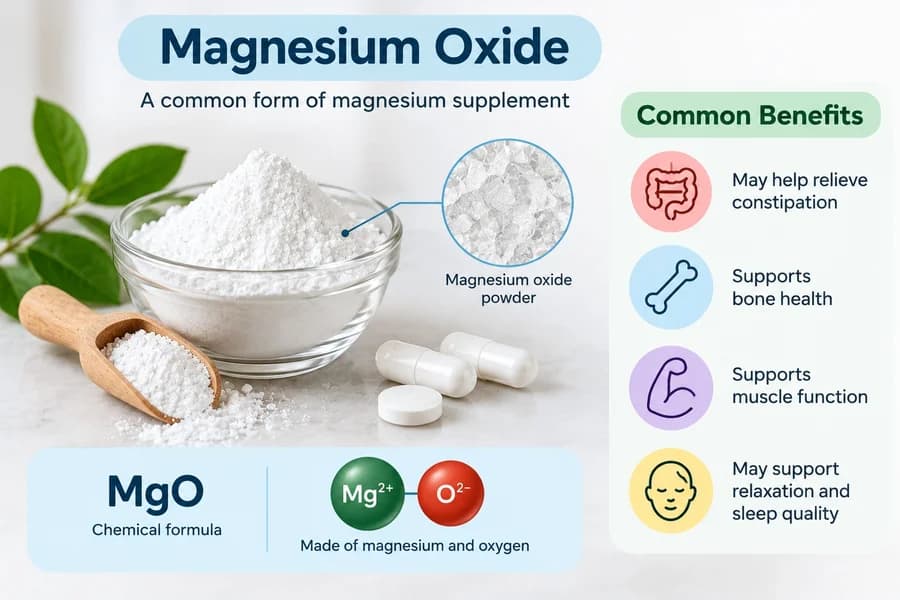
Magnesium Oxide: Uses, Absorption and Safe Dosing Basics
Magnesium oxide can serve different purposes. Learn why the reason for use, elemental amount and kidney health matter.

Zinc and Magnesium Tablets: Do You Actually Need Them?
Zinc and magnesium matter, but a tablet helps mainly when you are actually short of them. Here is how to judge your diet, read the label and avoid taking too much.

Vitamin B6 Benefits: Food Sources, Daily Needs and Supplement Safety
Vitamin B6 supports protein use, blood and nerves. Most people get enough from food, and long-term high-dose supplements can harm nerves.