
Zinc and Magnesium Tablets: Do You Actually Need Them?
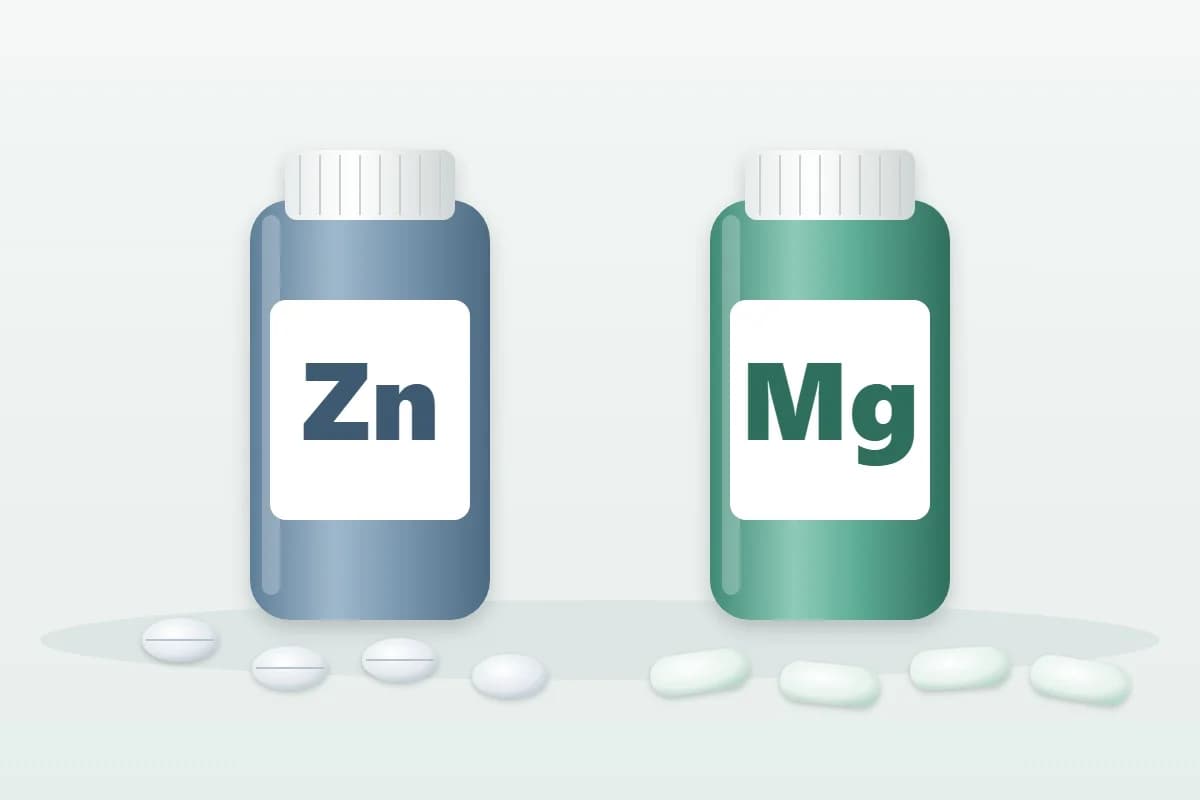
Zinc and magnesium matter, but a tablet helps mainly when you are actually short of them. Here is how to judge your diet, read the label and avoid taking too much.
Key Takeaways
- Zinc and magnesium supplements fill a gap; they do not add benefits on top of an adequate diet.
- Dal, chana, curd, nuts, seeds, whole grains and leafy greens supply both minerals.
- Too much zinc can lower copper, and high-dose magnesium is risky with kidney disease.
- Both minerals can affect some antibiotics, so ask your pharmacist about timing.
Walk into any pharmacy and you’ll find zinc and magnesium tablets sitting next to the protein powders, usually promising better sleep, stronger workouts or higher testosterone. It’s easy to assume that if two minerals are good for you, a tablet with both must be even better.
It’s not quite that simple. These minerals matter, but a tablet helps mainly when your body is actually short of them. Here’s what you should know before you buy one.
What zinc and magnesium do for you
Zinc helps your body fight infections, heal cuts and grow normally. Magnesium looks after your muscles, nerves, bones and the way your body turns food into energy.
If you’re already getting enough of both, extra won’t make you stronger, sharper or more energetic. A supplement fills a gap. It doesn’t add benefits on top of a healthy intake.
Your plate is the best place to start

Most people can get both minerals from everyday Indian food. Dal, rajma, chana, curd, nuts, seeds and whole grains all have zinc. Many of the same foods have magnesium too, and leafy greens add even more.
You don’t need a fancy meal plan. A bowl of dal with curd, a handful of roasted chana in the evening, or a plate of rajma with some palak already does a lot of the work. For more ideas, see our guide to vegetarian protein-rich meals.
Here’s a common pattern: tea and toast for breakfast, rice with a spoonful of dal for lunch, and a skipped dinner. It’s tempting to fix that with a pill, but a tablet can’t replace the fibre, protein and other nutrients that pattern is missing. Making that dal portion bigger and adding curd, chana or nuts to another meal will do more for you than any tablet.
Who might actually need a supplement
Some people do. If you follow a very restricted diet, have a digestion or absorption problem, or take medicines that affect how your body handles minerals, you may fall short even when you’re eating carefully.
But tiredness, poor sleep or muscle cramps don’t prove you’re deficient. Those symptoms have dozens of possible causes, and one rough week of meals doesn’t mean something is missing. If you suspect a real gap, a doctor or dietitian can look at your diet, symptoms and, if needed, test results before you spend money on tablets.
The testosterone and sleep promise
Blends like ZMA are often marketed to gym-goers as a way to recover faster, sleep deeper and boost testosterone. The truth is more modest. If you’re truly low in zinc or magnesium, correcting that can help your body work normally. But in people who already get enough, there’s no solid proof that extra minerals raise testosterone or build muscle.
Sleep is mostly about your routine, your stress levels and how much light you’re exposed to at night. If that’s your real struggle, our piece on building a better sleep routine is a better place to begin. Muscle comes from training and enough food. And a tablet labelled “for men” or “for athletes” is no different from any other because of its branding.
If you’re constantly tired, have a low sex drive or can’t sleep, get checked rather than increasing the dose.
How to read the label
Packets often shout “zinc gluconate” or “magnesium citrate” in big letters. Those are just the forms of the mineral. The number that matters is the elemental zinc and magnesium in one daily serving, which is usually in the small print.
Also check what else you take. Many multivitamins, sleep blends and sports products already contain these minerals, and it’s surprisingly easy to double up without realising. Look for clear amounts, a maker you can trace and a sensible serving. Don’t pick the highest dose just because it’s sold without a prescription. Our guide to choosing multivitamins covers this in more detail.
When more does more harm
Too much zinc can make you feel nauseous, and if you take a lot for a long time, it can lower your copper levels. Low copper can affect your blood and nerves, which is a serious price for a supplement you didn’t need.
Magnesium tablets often cause loose stools, and that’s the mild side effect. Very high amounts can become dangerous if your kidneys aren’t clearing magnesium well, so anyone with kidney disease should talk to their doctor first.
Food rarely causes these problems, which is another reason to start there.
Watch out for medicine timing
Zinc and magnesium can stick to certain antibiotics and reduce how much of the medicine your body absorbs. Magnesium can also interfere with some medicines for bone health. How far apart you should take them depends on the specific medicine, so don’t rely on a rule you saw on social media. Ask your pharmacist for exact timings, and bring all your supplement bottles to any medicine review.
A simple way to decide
Before buying anything, try this:
- Write down what you usually eat in a normal week.
- List every supplement, multivitamin or sports product you already take.
- If you still suspect a gap, talk to a professional about diet, symptoms and possible tests.
- If they recommend a supplement, agree on the amount, how long to take it and when to review it.
Keep the packet handy so your doctor can see the elemental amounts. Avoid buying several separate mineral products to treat one vague symptom. The lowest effective dose for a clear need makes more sense than a tablet packed with high doses of everything. If you’ve been taking one for months, ask yourself whether the original reason still applies.
Stop and get advice if you develop persistent diarrhoea, vomiting or new numbness, tingling or other nerve symptoms. And keep all supplements out of children’s reach.
Editorial sources
Frequently Asked Questions
Related Articles
Zinc Tablets: Elemental Dose, Interactions and Upper Limits
How to read a zinc tablet label for elemental zinc, which medicines need spacing, and why staying under 40 mg a day protects your copper levels.


Magnesium Tablets: How to Choose, Read the Label and Take Them Safely
Before buying magnesium tablets, check whether you need one, how much elemental magnesium the label gives, which form suits you and medicine interactions.

Zinc Rich Foods: The Best Vegetarian and Vegan Sources
Your body can’t store zinc for long, so it needs a steady daily supply from food. See the best vegetarian and vegan sources — no meat or seafood required.
Magnesium for Sleep and Anxiety: Which Form Works Best
Magnesium helps regulate the nervous system and the calming neurotransmitters that let your body wind down. See which form works best for sleep and.