
How to Choose Cheese: Paneer, Mozzarella, Cheddar and Spreads
Paneer, mozzarella, cheddar or a spread? How to compare labels, pick sensible portions and use cheese well in everyday Indian meals.
Key Takeaways
- Compare cheeses per 100 g for protein, saturated fat and salt, not front-of-pack claims.
- NHS: over 1.5 g salt or 5 g saturates per 100 g counts as high.
- Strong cheeses like cheddar add more flavour, so a little grated goes further.
- In pregnancy, choose pasteurised cheese; cook brie-type soft cheeses thoroughly.
- Lactose intolerance and milk allergy differ; an allergy needs strict avoidance.
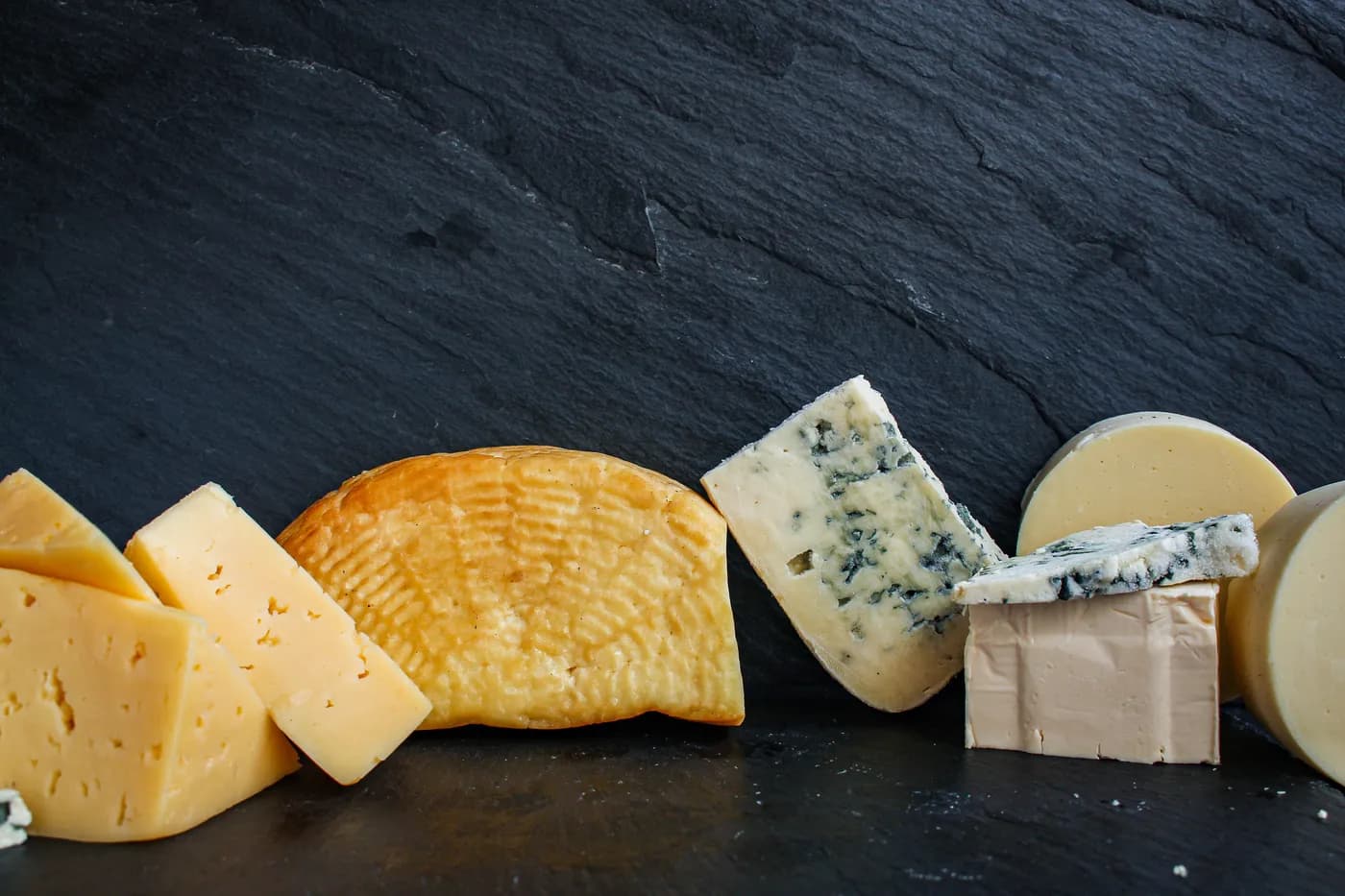
There is no single best cheese for everyone. Paneer, mozzarella, cheddar and cheese spreads taste different, cost different amounts and do different jobs in a meal. The useful question is which one suits the dish, your budget and the amount you usually eat.
What cheese adds to a meal
Cheese is made from milk, so it provides protein and calcium, and many cheeses contain vitamin B12. That can help a vegetarian diet, but cheese is only one option. Dal, chana, soy, curd and nuts bring different nutrients, and our guide to calcium rich foods shows how many everyday foods contribute.
Many cheeses are also high in saturated fat and salt. That does not mean you must stop eating them; it means the type and amount matter.
Paneer, mozzarella, cheddar or spread?
Paneer
Paneer is the easiest cheese to use in Indian meals: bhurji, curries, wraps and salads. Fresh paneer is usually lightly salted, but its fat content depends on the milk used. If you are deciding between paneer and tofu, see our tofu vs paneer comparison.
Mozzarella
Mozzarella melts well, which is why it works on toast and homemade pizza. Use a modest layer over plenty of vegetables rather than covering the whole dish.
Cheddar and other hard cheeses
Cheddar has a strong taste, so a little grated over an omelette, besan chilla, soup or sandwich goes a long way. Grating or slicing thinly spreads the flavour across more bites.
Processed slices and spreads
Slices and spreads are convenient for a quick sandwich, but some contain more salt and less protein than you might expect. Do not assume every product with "cheese" on the front offers the same nutrition.
A quick label check at the shop
Compare products per 100 g, and compare like with like: paneer with paneer, slices with slices.
- Look at protein if you want cheese to make the meal filling.
- Check saturated fat and salt. The NHS treats more than 1.5
- g salt or more than 5 g saturated fat per 100 g as high.
- Look at the serving size and the ingredient list.
A "low-fat" cheese can still be salty, so one front-of-pack claim is not enough. Taste and price matter too: a product you dislike will not become your best choice because one number is lower.
How much cheese is enough?
The right amount depends on the cheese and the rest of the plate. A sprinkle of grated cheddar for flavour is very different from paneer used as the main protein in dinner. If the meal has vegetables, a grain such as roti or rice and a protein food, cheese fits naturally. If it is mostly cheese and white bread, add tomato, cucumber or greens before adding more cheese.
Simple meal ideas
- Breakfast: paneer bhurji with roti and sliced tomato. Our paneer bhurji recipe adds vegetables.
- Lunch: a whole-wheat wrap with paneer, cucumber and mint chutney.
- Dinner: paneer with peas and spinach, or a vegetable pizza with mozzarella and a side salad.
- Snack: a bean and vegetable toastie finished with a little cheddar.
When to take extra care
If you have high blood pressure or have been told to cut salt, compare labels carefully; fresh, unsalted paneer may suit you better than salty slices.
Lactose intolerance and milk allergy are different. Some people with lactose intolerance manage small amounts of hard cheese, while a milk allergy can cause a serious reaction to even a little cheese and requires avoidance.
During pregnancy, pasteurised hard cheeses and pasteurised paneer are considered safe, but mould-ripened soft cheeses such as brie should only be eaten thoroughly cooked. Store all cheese in the fridge and do not leave fresh paneer out for hours in warm weather.
Editorial sources
Frequently Asked Questions
Related Articles
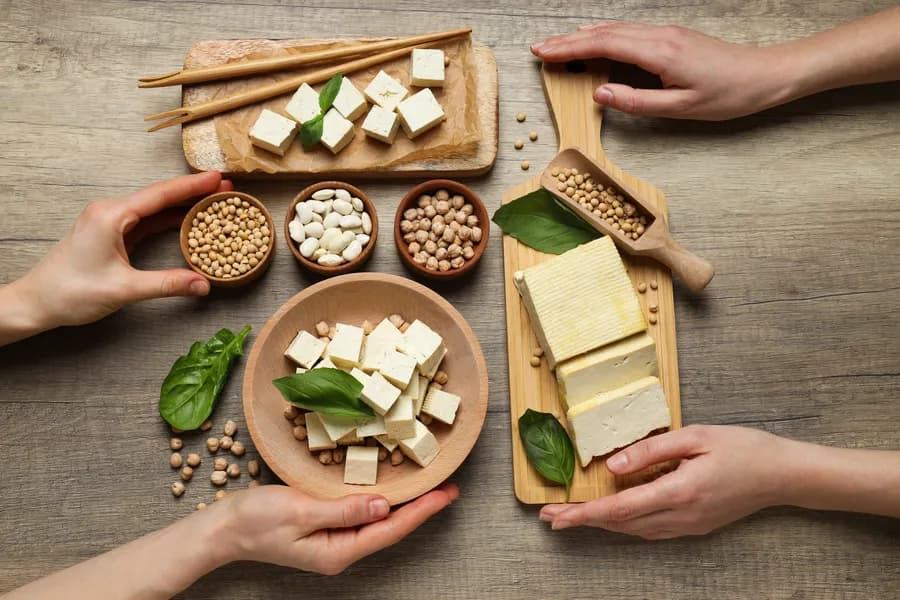
Tofu vs Paneer: Protein, Calcium, Fat and Best Uses
How tofu and paneer compare on protein, calcium, fat, tolerance and cooking, and why alternating them often works better than picking a winner.

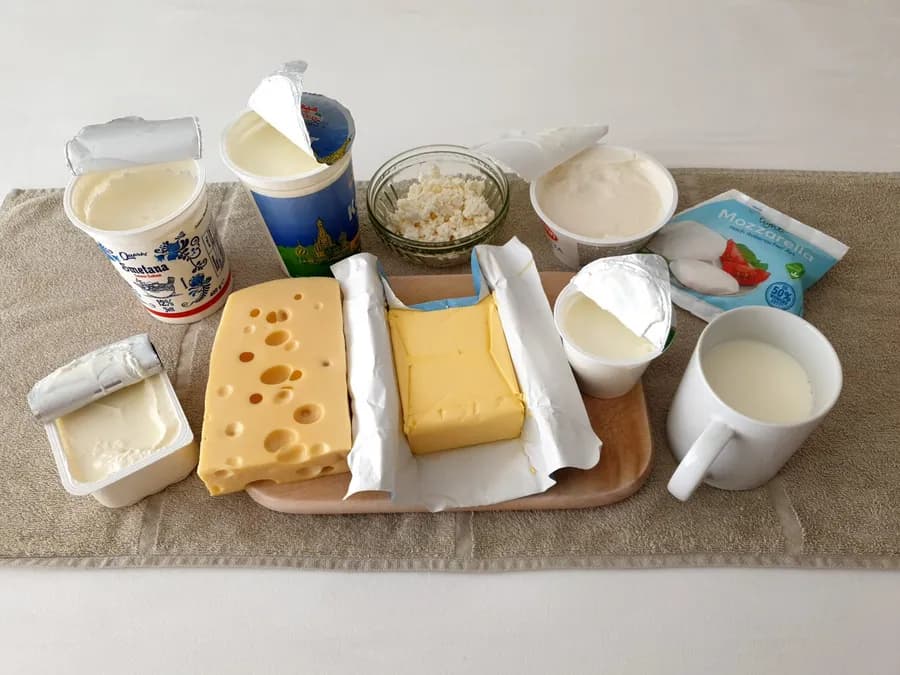
Calcium Rich Foods: A Complete Dairy and Non-Dairy List
Milk and dairy lead the calcium list, but sesame seeds, ragi, leafy greens, and tofu are all high sources too. See the complete dairy and non-dairy list.


Milk Nutrition: Protein, Calcium, Lactose and Choosing a Type
Milk provides protein, calcium, vitamin B12 and other nutrients, and fortified products may also add vitamin D. Learn how to choose a type.
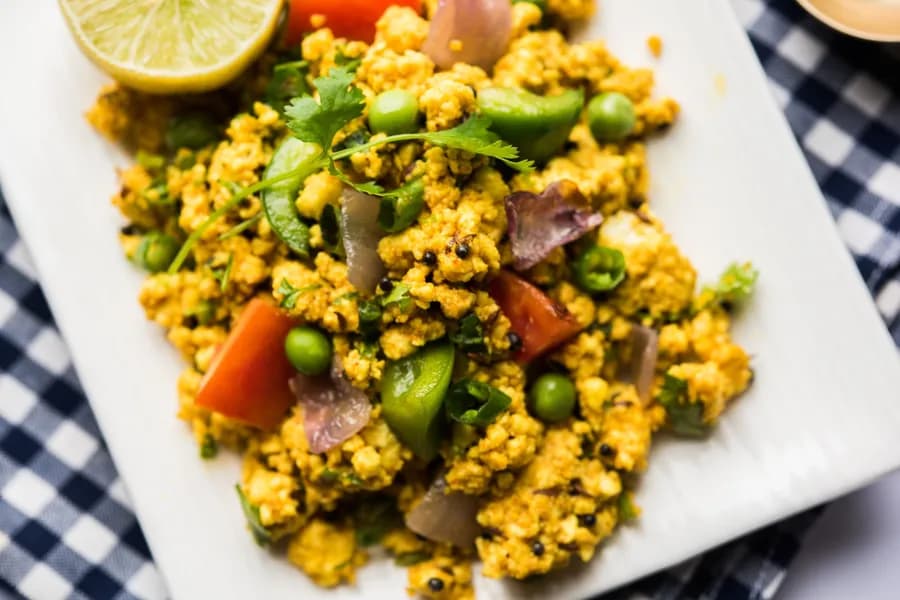
Paneer bhurji recipe with vegetables for breakfast
Veggie paneer bhurji is a quick, one-pan breakfast built from crumbled paneer and vegetables — protein and colour in one dish. Full recipe and quantities.