
How to Choose a Meal Delivery Service: Food, Cost and Safety Checks
Judge a meal delivery service by the food that arrives, the true cost per meal you eat and how safely it is packed, not by diet labels.
Key Takeaways
- Judge the meal that arrives: a clear protein, real vegetables and a filling portion.
- Count delivery fees, taxes, add-ons and skipped boxes in the true cost per meal.
- Start with a one-week or few-meal trial before paying for a monthly plan.
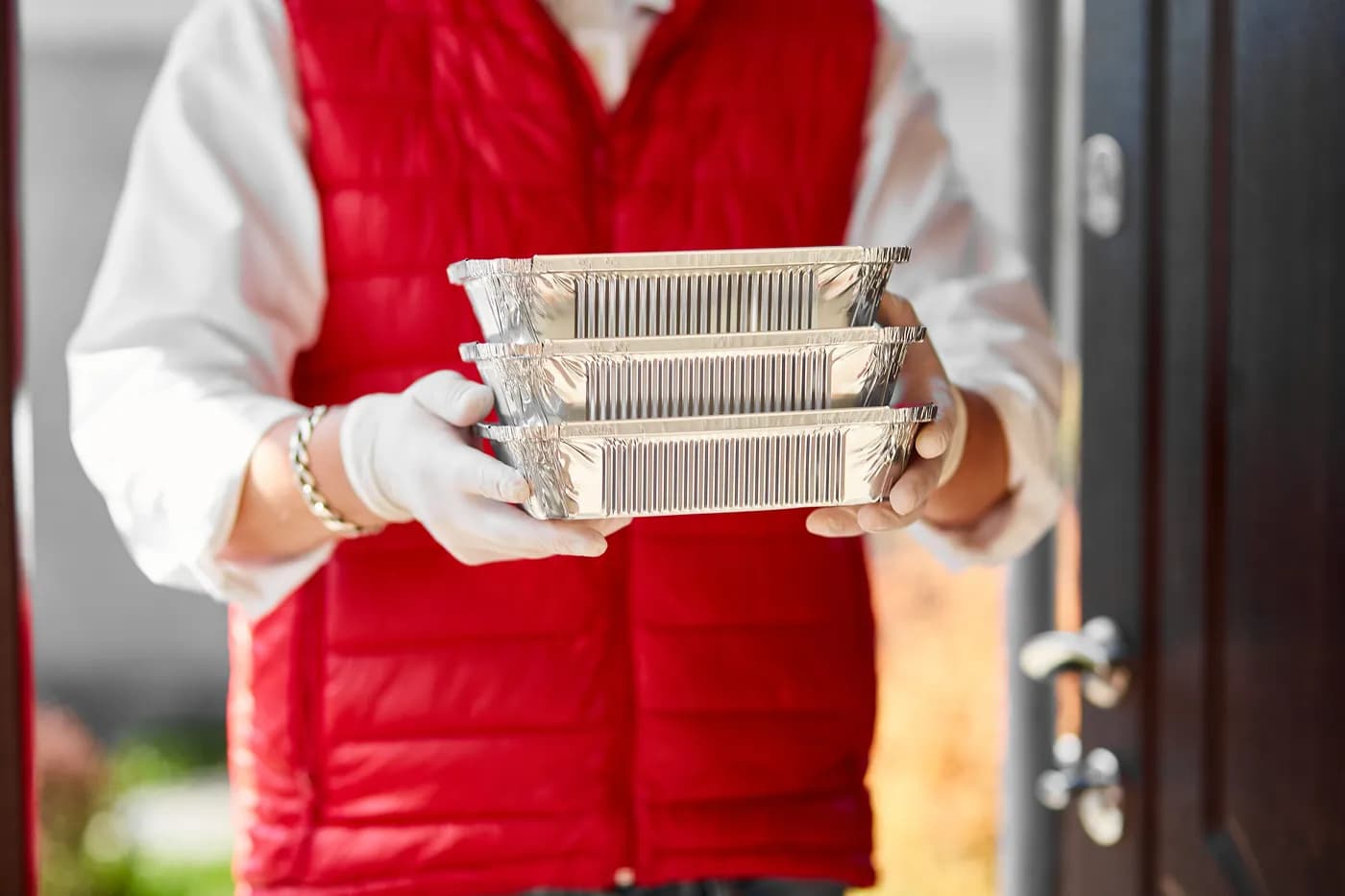
- Chilled meals should arrive cold; refrigerate anything you will eat later within 2 hours.
- With a serious allergy, confirm ingredients and cross-contact controls for the exact meal.
A meal delivery service can make busy weeks easier, but only if it replaces a meal you would otherwise struggle with. A good choice fits your schedule, appetite, budget and the way you already eat at home. You can learn most of what you need from a short trial rather than a long subscription.
What to look for in the food
Start with the lunch or dinner you would normally eat. If that is dal, sabzi, roti and curd, a small salad box may leave you hungry even if its calorie number looks impressive. A meal that keeps you comfortable until your next planned meal is more useful than one that wins a "low calorie" badge.
Protein and vegetables
For vegetarian meals, look for a proper serving of dal, chana, rajma, soy, tofu, paneer or curd. A few beans scattered over rice are not the same as a bowl of dal. Vegetables should be a real part of the dish, not a decorative spoonful. Our guide to planning balanced vegetarian meals shows what a complete plate looks like.
Variety and portion
Check whether the weekly menu actually changes. Some services repeat the same grain bowl with different sauces. Regional dishes you already enjoy are often easier to keep eating than an unfamiliar "diet menu". The portion should also suit your day: someone with long working hours or regular exercise may need more than someone ordering a light lunch. Adding fruit or curd now and then is fine, but if every box needs a second meal, it is poor value for you.
What it really costs
Compare the price of meals you will actually eat, not the subscription headline. Add delivery fees, taxes, packaging charges and any add-ons. A cheap lunch becomes expensive when a juice, dessert and "wellness shot" appear in every basket.
Think about what it replaces. If delivery stops several costly takeaway orders each week, the value may be good. If you already cook and enjoy it, the service may only be worth it on your busiest days.
Unused meals are part of the cost. Travel, family dinners and work changes will happen, so check how easily you can pause or skip and how much notice is needed. Choose a short plan until you know the meals suit you.
How to run a short trial
Order a few different meals, including at least one ordinary workday lunch and one dinner, rather than judging only an introductory box. After each meal ask: Did it taste good? Was it filling? Did it arrive in good condition? Would I order it again at the full price?
Reliable timing matters too. If lunch always arrives after your break, the menu will not solve your problem. Keep simple backups such as curd, fruit or roasted chana for late days. After a week, ask whether it saved time and reduced last-minute takeaways. If not, you have learned enough without buying a longer plan.
Food safety on arrival
A hot meal should arrive hot and ready to eat; a chilled meal should still feel properly cold. If you plan to eat it later, refrigerate it promptly. US food safety guidance advises refrigerating cooked food within 2 hours, or within 1 hour in very hot conditions, and discarding perishable food left out longer. Do not leave a meal on your desk all afternoon and assume sealed packaging keeps it safe.
The WHO Five Keys to Safer Food are a useful checklist for any kitchen: keep clean, separate raw and cooked, cook thoroughly, keep food at safe temperatures, and use safe water and raw materials.
Allergies and medical diets
An allergy is different from a dislike. If even a small amount of an ingredient can cause a reaction, do not rely on a menu filter alone. Ask whether the kitchen can confirm the ingredients of the exact meal and how it prevents cross-contact. If the answer is uncertain, choose another option.
For diabetes, kidney disease, coeliac disease or another medical diet, a broad "diabetic-friendly" or "gluten-free" label may not match your plan. The carbohydrate, sodium, potassium or ingredients that matter to you should be clearly stated, and a dietitian can help you judge a menu.
Ready meals or a recipe kit?
Prepared meals help when time, energy or kitchen access is the main problem. A recipe kit still needs cooking but removes shopping and some planning. If your difficulty is deciding what to make, a kit or a simple weekly balanced diet chart may be enough. If you need food ready between meetings, prepared meals are more likely to help.
Editorial sources
Frequently Asked Questions
Related Articles
Balanced Diet Chart for a Week: A Practical Example for Indian Households
A balanced diet chart is easiest to understand as a template, not a timetable — a way of thinking about protein, fibre, carbs, and fat across your meals..

Vegetarian Diet: How to Plan Balanced Everyday Meals
Plan a balanced vegetarian diet with familiar Indian meals: protein at every meal, plus vitamin B12, iron, calcium and iodine without guesswork.

Fat Loss Diet Plan: A Simple, Sustainable Guide to Eating Well
A good fat loss diet plan isn’t about eating less of everything — it’s about eating the right things consistently. See a simple, no-gimmicks breakdown of.