
Vegetarian Diet: How to Plan Balanced Everyday Meals
Plan a balanced vegetarian diet with familiar Indian meals: protein at every meal, plus vitamin B12, iron, calcium and iodine without guesswork.

Key Takeaways
- Include a protein food at each main meal, not just at dinner.
- Rotate dals, beans, soy, dairy, nuts, seeds and eggs if you eat them.
- Vegans need a reliable B12 source from fortified foods or a supplement.
- Have lemon, amla, guava or tomato with dal and greens to absorb more iron.
- Living mostly on roti, rice, potatoes and snacks leaves nutrient gaps.
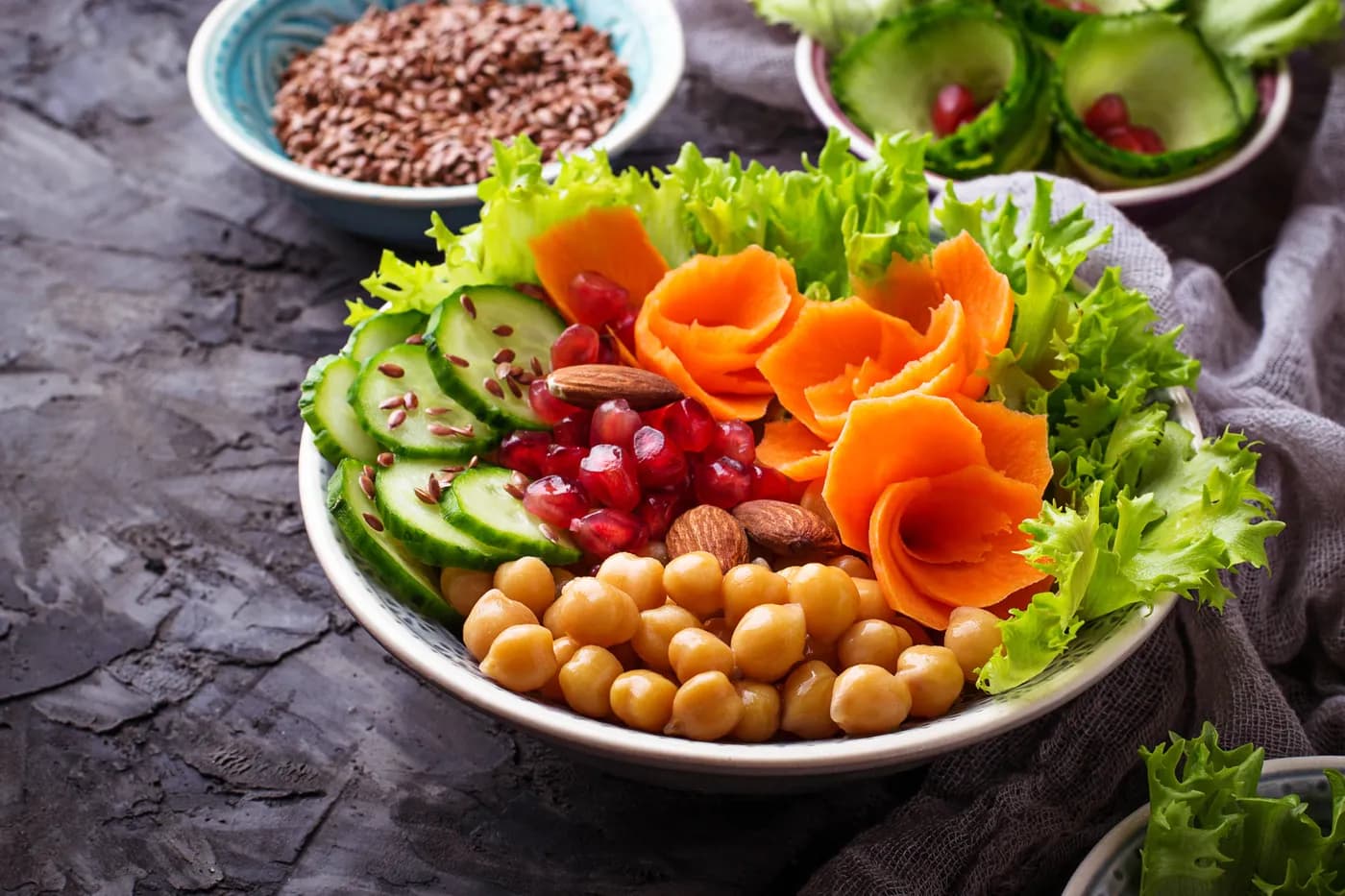
A vegetarian diet can provide satisfying meals and all the nutrients you need. The simplest approach is to build each meal around dal, beans, soy, dairy or another protein food, with vegetables, fruit and a comfortable amount of grains. Variety matters: living mostly on roti, rice, potatoes and snacks leaves gaps, even though all of those foods are vegetarian.
What counts as a vegetarian diet?
Vegetarian eating usually excludes meat, fish and poultry. Lacto-vegetarians include milk, curd and paneer; some people also eat eggs. Vegan eating excludes all animal foods. These choices change where nutrients such as vitamin B12 and calcium come from, so there is no single menu that fits everyone. A sound plan can still be built from familiar Indian meals rather than speciality foods.
The health of the diet depends on what takes the place of meat. A plate of vegetables, dal and roti is very different from refined-flour snacks and a sugary drink. Vegetarian does not automatically mean low calorie or high protein, but it makes room for more pulses, fruit, vegetables and whole grains when meals are planned around them.
Put protein into ordinary meals
Dal, chana, rajma, lobia, soy chunks, tofu, milk, curd, paneer, nuts and seeds all contribute protein. Aim to include some at each main meal:
- Breakfast: besan chilla with curd, or idli with a generous bowl of sambar.
- Lunch: dal with roti, seasonal sabzi and salad.
- Dinner: tofu or chole with vegetables and rice.
- Snacks: roasted chana, peanuts or a bowl of curd.
Portions matter: a spoonful of dal used as a sauce is not the same as a full bowl. When a meal is mostly rice or roti, serve a bigger helping of dal or add curd, beans, tofu or an egg. You do not need to combine particular plant proteins at every meal; eating a range of pulses, grains and soy across the day is enough. Paneer is useful too, but relying on it alone can crowd out pulses and vegetables. For daily targets, see our guide to vegetarian protein needs.
Nutrients that deserve a little planning
Vitamin B12
B12 occurs naturally in animal foods. NIH notes that people who eat little or no animal food, such as vegetarians and vegans, may not get enough. Milk, curd and eggs contribute for those who eat them, though intake can still fall short. A vegan diet needs a dependable source from fortified foods or a B12 supplement; fermented foods, seaweed and unfortified plant foods are not reliable substitutes. Our list of vitamin B12 foods for vegetarians covers practical options.
Iron
Iron is found in dals, beans, tofu, greens, nuts and seeds, but plant (non-haem) iron is absorbed less well than iron from meat. NIH notes that vegetarians may need almost twice the usual recommended iron for this reason. Vitamin C helps: add lemon to dal, or have amla, guava, citrus, tomato or capsicum with the meal. Tea or coffee taken with iron-rich meals can reduce absorption, so have them between meals if iron is a concern. Tiredness has many causes, so do not self-diagnose deficiency. See our iron-rich vegetarian foods list for ideas.
Calcium, iodine and omega-3 fats
Calcium can come from milk, curd and paneer, or from fortified plant milk, calcium-set tofu and some greens. If you avoid dairy, make one or two dependable calcium foods a daily routine. Iodised salt is a practical iodine source in moderate amounts; adding more salt is not the goal. For omega-3 fats, include walnuts, ground flaxseed or chia seeds, keeping in mind that plant omega-3 is not identical to the forms found in fish.
What could a simple day look like?
One day might be vegetable poha with peanuts and curd for breakfast; roti, dal, seasonal sabzi and salad for lunch; fruit and roasted chana as a snack; and tofu and vegetable curry with rice, or rajma with roti and cooked greens, for dinner.
Another day could be oats with milk or fortified plant milk, chole with rice and salad, then vegetable khichdi with curd. The point is a repeatable structure, not a strict menu. Keeping cooked beans, washed vegetables or tofu ready makes quick meals easier, and rinsed canned beans work when soaking and pressure cooking are not practical.
If your goal is fat loss, the same principles apply as for any eating pattern: sensible portions, filling protein foods, vegetables and a sustainable overall intake. Fried snacks, sweets and rich paneer dishes can fit occasionally without becoming the base of every meal. Pregnancy, feeding young children and vegan diets need more deliberate planning, particularly for B12.
Editorial sources
Frequently Asked Questions
Related Articles

Vegetarian protein: needs, myths and meal planning
Vegetarian meals can provide enough protein. Learn practical needs, simple Indian food sources, common myths and an easy meal-planning method.

Vitamin B12 Foods Vegetarian Diets Are Often Missing — And Where to Find Them
B12 is made only by bacteria and doesn’t occur naturally in any plant food — a real gap in most vegetarian diets. See where vegetarians can reliably find.
Iron Rich Foods: The Complete Vegetarian Food List
Lentils, chickpeas, dark leafy greens, jaggery, and seeds cover the full daily iron requirement for most people — no meat or fish needed. See the.
Vegetarian Weight Loss Diet Plan: Eating Well on a Plant-Based Plate
A vegetarian weight loss plan works on the same energy-balance principle as any other, but needs extra attention to protein and variety. See how to get.
Calcium Rich Foods: A Complete Dairy and Non-Dairy List
Milk and dairy lead the calcium list, but sesame seeds, ragi, leafy greens, and tofu are all high sources too. See the complete dairy and non-dairy list.