
How to Control Hunger Without Fighting Your Appetite
Frequent hunger may be a sign that your meals need more substance. Build a satisfying routine with practical changes to food, timing and sleep.
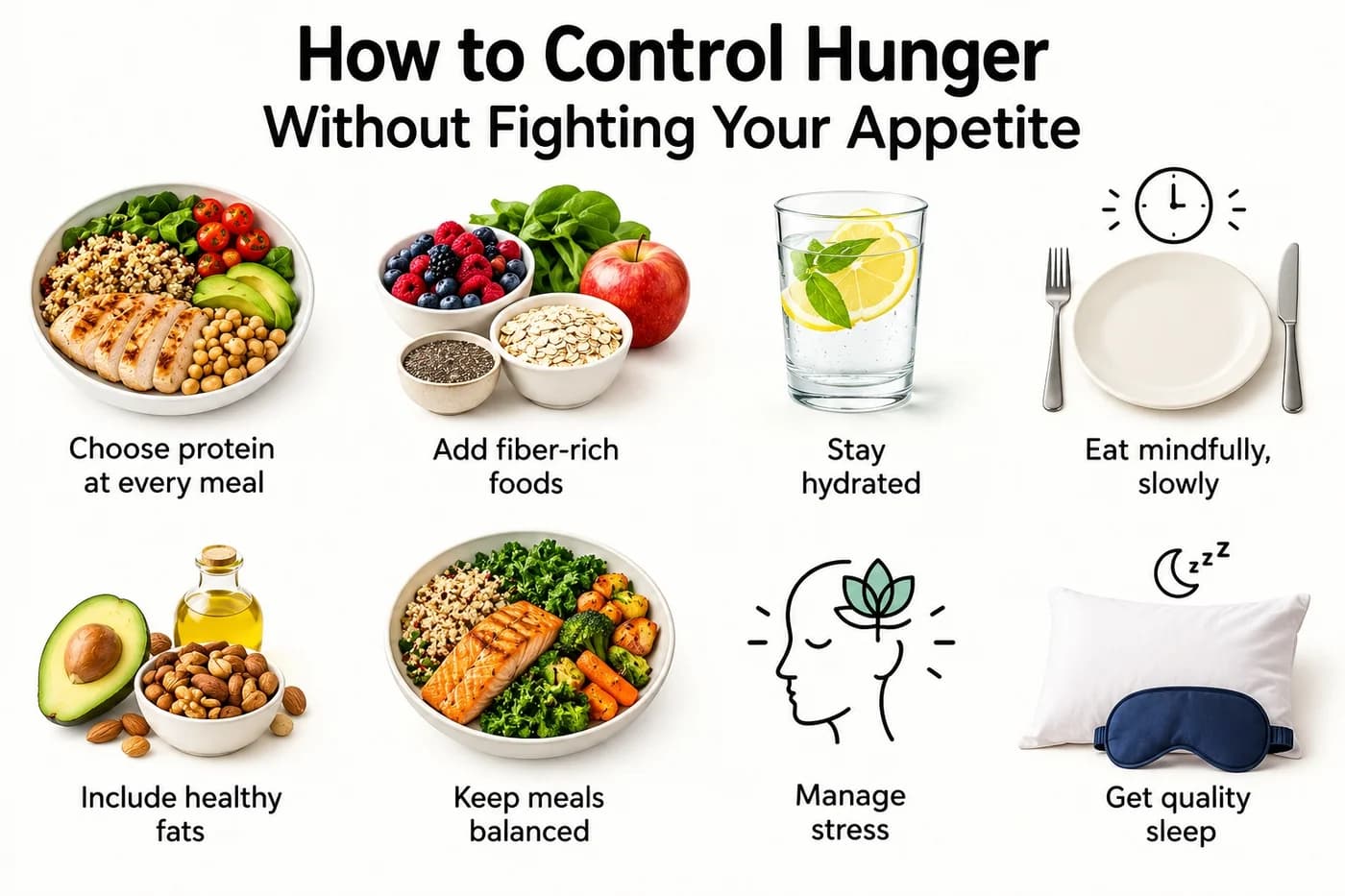
Key Takeaways
- Constant hunger can simply mean you are not eating enough.
- Give protein a clear place in every meal.
- Fibre and texture help meals keep you full for longer.
- Plan a proper snack for the afternoon gap.
If you are hungry again an hour after breakfast, the answer may be a better breakfast rather than more willpower. Hunger is a normal signal that your body needs food. The useful goal is to feel comfortably satisfied between meals, with enough energy for your day.
A few changes to meal size, composition and timing can help. They work better than trying to silence appetite with endless water, coffee or appetite-suppressing products. Start by noticing when hunger becomes difficult, then make the meal before that point more substantial.
First, check whether you are eating enough
A tiny breakfast followed by a busy morning often ends in urgent hunger by lunch. The same can happen after a salad-only lunch or an attempt to avoid both grains and fats. A meal can look healthy while providing too little energy.
If you are trying to lose weight, a severe restriction can make the evening feel like a battle with food. A modest, sustainable change leaves room for regular meals and a snack when needed. Persistent hunger is useful information about the plan, rather than evidence that you lack discipline.
Your needs can also rise with longer walks, strength training, illness recovery or a more physically demanding job. Yesterday’s portion may not suit every day equally well.
Give protein a clear place in the meal
Protein-rich foods can help a meal feel more satisfying. In vegetarian meals, practical choices include dal, rajma, chana, tofu, paneer, curd and soya. The useful question is whether there is a meaningful serving, rather than a token garnish.
For breakfast, add curd or a paneer filling to a besan chilla. With poha, peas and peanuts add variety, while a bowl of curd can contribute more protein. At lunch, do not let a small spoonful of dal be the only protein in an otherwise large plate of rice.
You do not need a powder simply because you feel hungry. First look at the meals you already eat. Our guide to protein-rich vegetarian foods offers more everyday options.
Choose fibre and texture
Pulses, vegetables, whole fruit and whole grains add fibre and give meals more substance. A whole orange takes longer to eat and retains more fibre than a glass of juice. Chana with chopped vegetables offers a different eating experience from a sweet drink.
Fibre is helpful, but suddenly doubling it can cause gas or discomfort. Increase it gradually and drink normally through the day. A meal should be comfortable as well as filling.
Texture also affects how you eat. If breakfast is only a drink and you are hungry soon afterwards, try a chewable meal. That does not make every smoothie unsuitable; it gives you a practical comparison based on your own appetite.
Build a meal rather than collecting low-calorie foods
A satisfying plate usually includes a protein food, vegetables and a comfortable serving of a grain or another starchy food. A little fat helps with flavour and enjoyment. The balance can be flexible.
For example, roti with chana and a sabzi can be more sustaining than roti with a thin gravy alone. Vegetable dalia with tofu is different from plain dalia made very watery. Rice can stay on the plate; the aim is to complete the meal, not remove every carbohydrate.
If you finish eating and still feel physically hungry, it is reasonable to have more. A portion guide is a starting point, not a rule that overrides your body on every occasion.
Plan for the afternoon gap
Lunch at 1 pm and dinner at 9 pm leave a long interval. Feeling hungry in between is expected. A planned snack can make dinner calmer and prevent arriving at the table ravenous.
Choose something convenient enough to use on a working day:
- Curd and a piece of fruit.
- Roasted chana with water or unsweetened tea.
- A small whole-wheat sandwich with paneer or hummus.
- Fruit with a modest handful of nuts.
A snack does not have to be perfect. Having an accessible option matters more than making a complicated recipe and then skipping it because the day gets busy.
Slow down enough to notice satisfaction
Eating while answering messages can make it harder to notice how much you have eaten or whether you enjoyed it. Try sitting down for one meal and giving it your attention. Pause before taking a second serving, then decide whether you want more.
There is no need to chew every bite a fixed number of times or set a compulsory timer. The point is to create a little space between serving food and automatically finishing it.
Cravings can also reflect habit, stress or the appeal of a particular food. They can occur alongside real hunger. You do not have to prove which category a desire belongs to before allowing yourself to eat.
Sleep and rigid food rules can change the picture
Short or disrupted sleep can make appetite harder to manage. If late nights and skipped breakfasts often occur together, work on a realistic sleep routine as well as the food itself.
Banning every favourite snack can also make that food occupy more attention. An enjoyable portion within ordinary eating may be easier to sustain than repeated restriction followed by overeating. Avoid using exercise as punishment for a meal.
If eating often feels out of control, or you are frightened of eating despite hunger, support from a professional familiar with eating difficulties can help. Stronger rules are rarely the useful next step.
When hunger needs a closer look
New, persistent excessive hunger with marked thirst, frequent urination or unexplained weight loss needs medical assessment. Shaking, sweating or confusion in someone taking glucose-lowering medicine may signal low blood sugar and requires the action plan provided for that condition.
For everyday hunger, begin with one question: what was missing from the last meal? Improving that meal is often more useful than finding another way to ignore the next signal.
Editorial sources
Frequently Asked Questions
Related Articles

Food Cravings: What They Mean and How to Respond
Cravings are shaped by meal gaps, sleep, stress and habits, and rarely signal a deficiency. How to read the pattern and respond calmly.

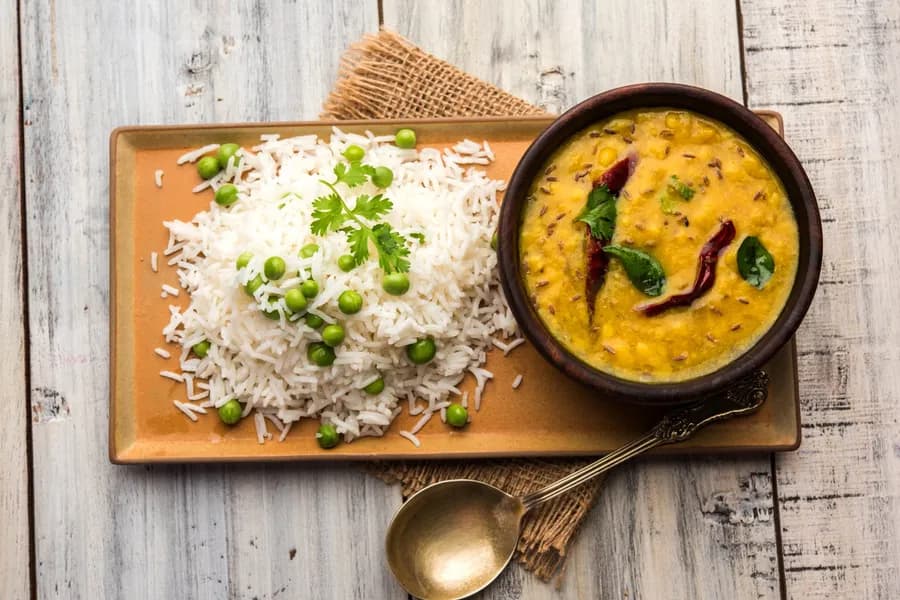
Protein for cravings: how protein keeps you full
Protein is one of the most reliable ways to stay full and keep cravings in check. See how a small daily habit, using everyday Indian foods, makes the.

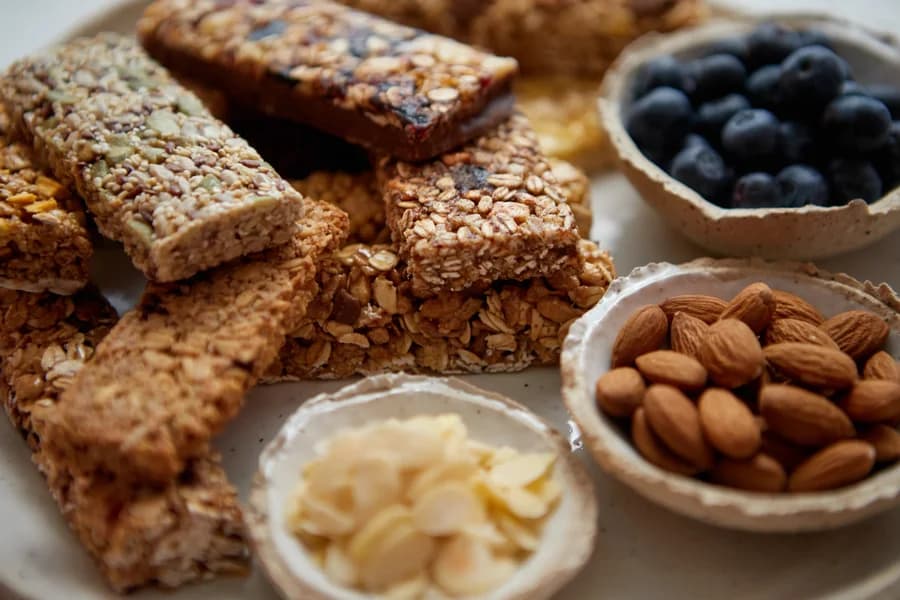
Protein-Rich Snacks: Vegetarian Ideas
A useful protein-rich snack should solve a real gap between meals, not become an extra meal added automatically.
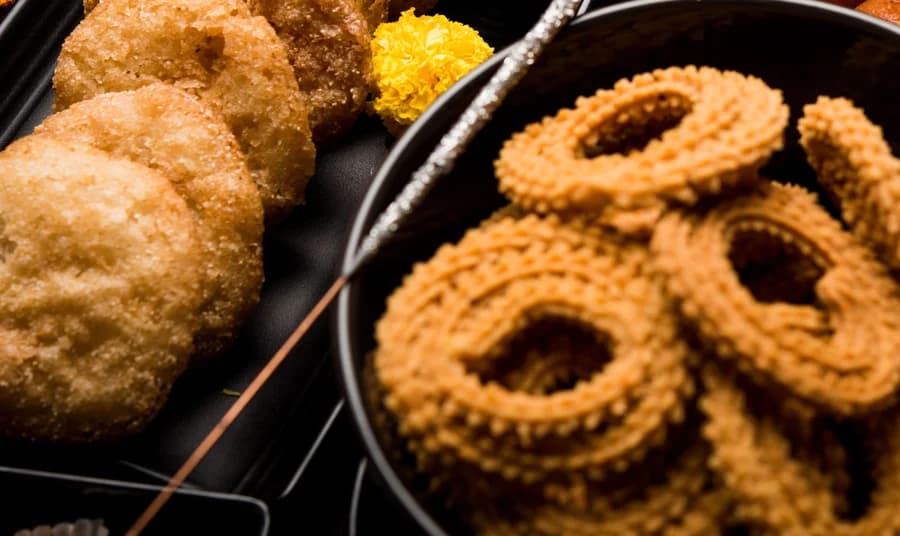
Midnight Snacks: What to Eat When Hunger Strikes Late
Eating at night is not automatically unhealthy. The reason you are hungry, what you choose and how much you eat matter far more than the clock.