
How to Plan a Balanced Indian Diet for Busy Weeks
Build your own flexible Indian diet plan with the plate method, quick protein swaps, a short shopping list and tips for eating out.
Key Takeaways
- Use the plate as a guide: half vegetables, a quarter protein, a quarter grains.
- Keep two or three ready proteins, such as cooked dal, curd or tofu, for busy days.
- Plan around a short shopping list and leftovers instead of seven new menus.
- Portions differ with age, activity, pregnancy and conditions like diabetes.
- Vegan plans need a reliable vitamin B12 source such as fortified foods.
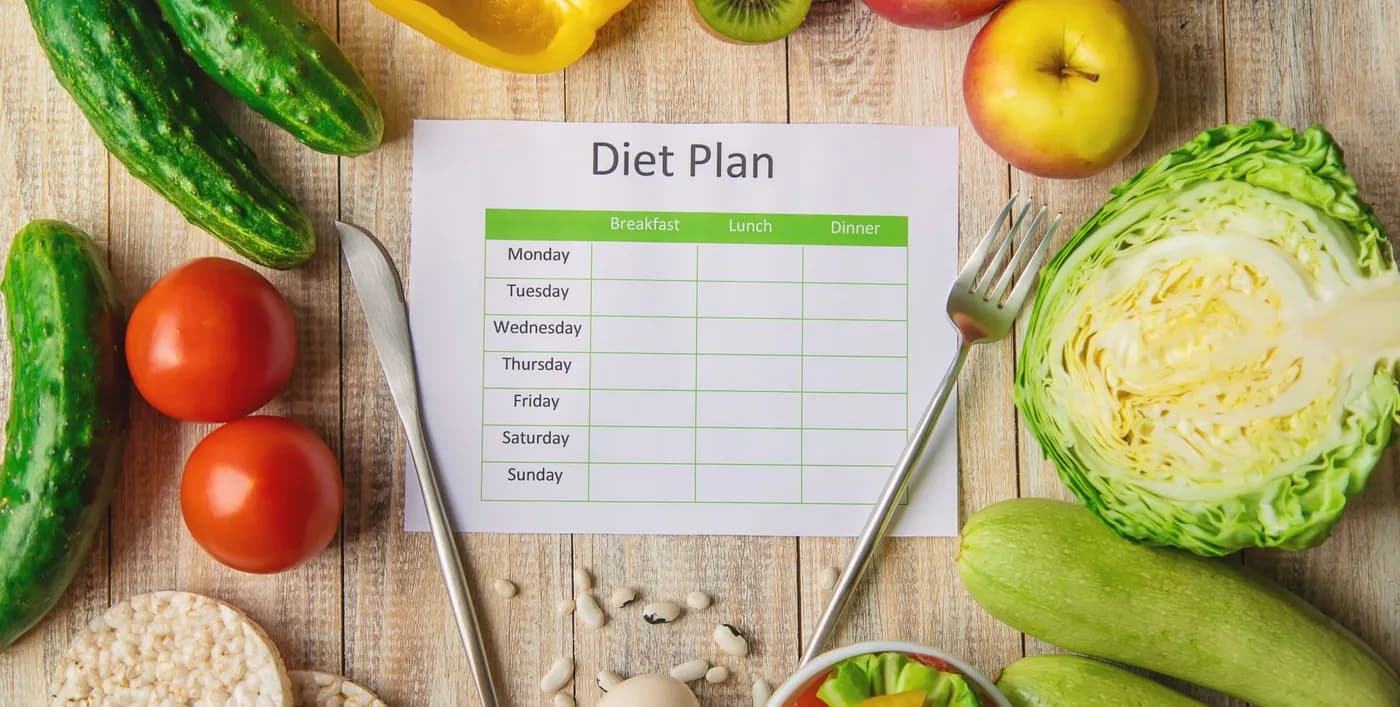
A useful diet plan is not a rigid menu copied from someone else. It should meet your nutritional needs, fit your culture, budget and schedule, and be flexible enough to keep going. Rather than handing you a fixed chart, this guide shows how to build your own balanced Indian plan from familiar foods. If you would like a ready-made example to adapt, see our balanced diet chart for a week.
Start with the plate, not a menu
The Harvard Healthy Eating Plate suggests filling roughly half the plate with vegetables and fruit, a quarter with whole grains and a quarter with protein, with water as the main drink. Treat this as a guide, not a rule for every meal.
- A dal-rice meal can take an extra bowl of sabzi or a salad.
- A roti meal can include chole and a cooked vegetable.
- If the protein portion is small, add curd, paneer, tofu, sprouts or eggs if you eat them.
There is no need to remove carbohydrates to eat well. The amount of roti or rice simply changes with activity, appetite and health goals. For more protein ideas, see our list of high-protein vegetarian foods.
Breakfasts that fit real mornings
- Besan or moong dal chilla with curd
- Vegetable poha with peanuts and a bowl of curd
- Oats cooked in milk with fruit and a few nuts
- Idli with sambar
- Vegetable upma with a glass of buttermilk
If you do not feel like eating early, have a proper meal later rather than forcing a fixed schedule. Sweet tea and biscuits are convenient but provide little protein or fibre. A few minutes of preparation the night before, such as soaking dal for chilla batter, makes a filling breakfast easier.
Lunch, dinner and snacks
Use familiar dishes in different combinations: rajma with rice and cucumber, sambar with idli and vegetables, or tofu bhurji with roti. For dinner, leftovers can save effort; add a vegetable and a protein rather than cooking an entirely new meal. Snacks are optional when meals keep you satisfied. If you need one, fruit with curd, roasted chana or a handful of nuts works well.
Plan for a busy week
Keep ready proteins on hand
Keep two or three easy proteins ready: cooked dal, plain curd, boiled chana or rajma, tofu or eggs if you use them. A batch of rice or idli batter can become several meals.
Use a short shopping list
Pick two or three vegetables, some seasonal fruit, a few protein foods and the staples your household already uses. This is easier than buying ingredients for seven completely different menus. Frozen vegetables, dried pulses and plain curd make quick meals possible when fresh produce runs out. Refrigerate cooked food promptly and reheat it thoroughly.
Beyond protein: cover the other nutrients
A balanced diet needs enough energy and a range of nutrients, not just protein. Whole grains, pulses, vegetables and fruit bring different types of fibre, vitamins and minerals. Nuts, seeds and modest amounts of cooking oil supply fats. Dairy or fortified alternatives help with calcium.
Vegetarians and especially vegans need to plan for vitamin B12, because plant foods do not contain it unless they are fortified. Our vegan diet guide explains how to cover B12 and other gaps. Iron, vitamin D and other needs may also depend on life stage and health.
Eating out without guilt
Look at the whole meal rather than hunting for one perfect dish. A dal or bean dish with vegetables and a sensible rice or roti portion gives a familiar structure. Fried sides, rich gravies and sweet drinks add up, so consider them alongside the main dish. Share a large portion if that suits the occasion, and enjoy a favourite dessert without turning the next day into a punishing fast. If the rules make every social meal stressful, the plan needs adjusting.
Make room for different needs
A growing teenager, an older adult and someone training for a race may eat the same meal in very different amounts. People who are pregnant or recovering from illness often need more food. Someone with diabetes may need to think about carbohydrate distribution and medicines, and someone with kidney disease may need specific guidance on protein, potassium or fluids. A sample day is an idea bank, not a prescription, so ask a registered dietitian to adapt foods and quantities if you have a medical condition.
When cooking for a family, make shared dishes and let portions vary. Avoid turning one person's weight goal into rules for everyone at the table.
Editorial sources
Frequently Asked Questions
Related Articles
Balanced Diet Chart for a Week: A Practical Example for Indian Households
A balanced diet chart is easiest to understand as a template, not a timetable — a way of thinking about protein, fibre, carbs, and fat across your meals..

High Protein Vegetarian Foods: The Complete Indian Food List
Indian kitchens are already full of high protein vegetarian foods — dals, paneer, tofu, soy, and dairy. See the complete list, with protein counts, and.

Vegan Diet: Nutrients, Meal Planning and Common Mistakes
How to plan vegan meals that cover B12, calcium, iodine, iron, omega-3 and protein, with a sample Indian day and mistakes to avoid.
Calorie Deficit Diet Plan: A Sample Indian Day, Plateaus and Maintenance
Turn a calorie deficit into a plan you can live with: a three-day audit, a sample vegetarian Indian day, weekends, plateaus and maintenance.