
Keratin-Rich Foods: What Your Hair Actually Needs From Meals
Your body makes keratin rather than sending it directly from food to hair. Focus on adequate meals, protein and targeted help when a deficiency is present.
Key Takeaways
- Enough protein is the first food priority for hair.
- Iron and zinc matter when intake is low.
- Vitamins support hair but do not switch on growth.
- Sudden shedding needs more than diet advice.
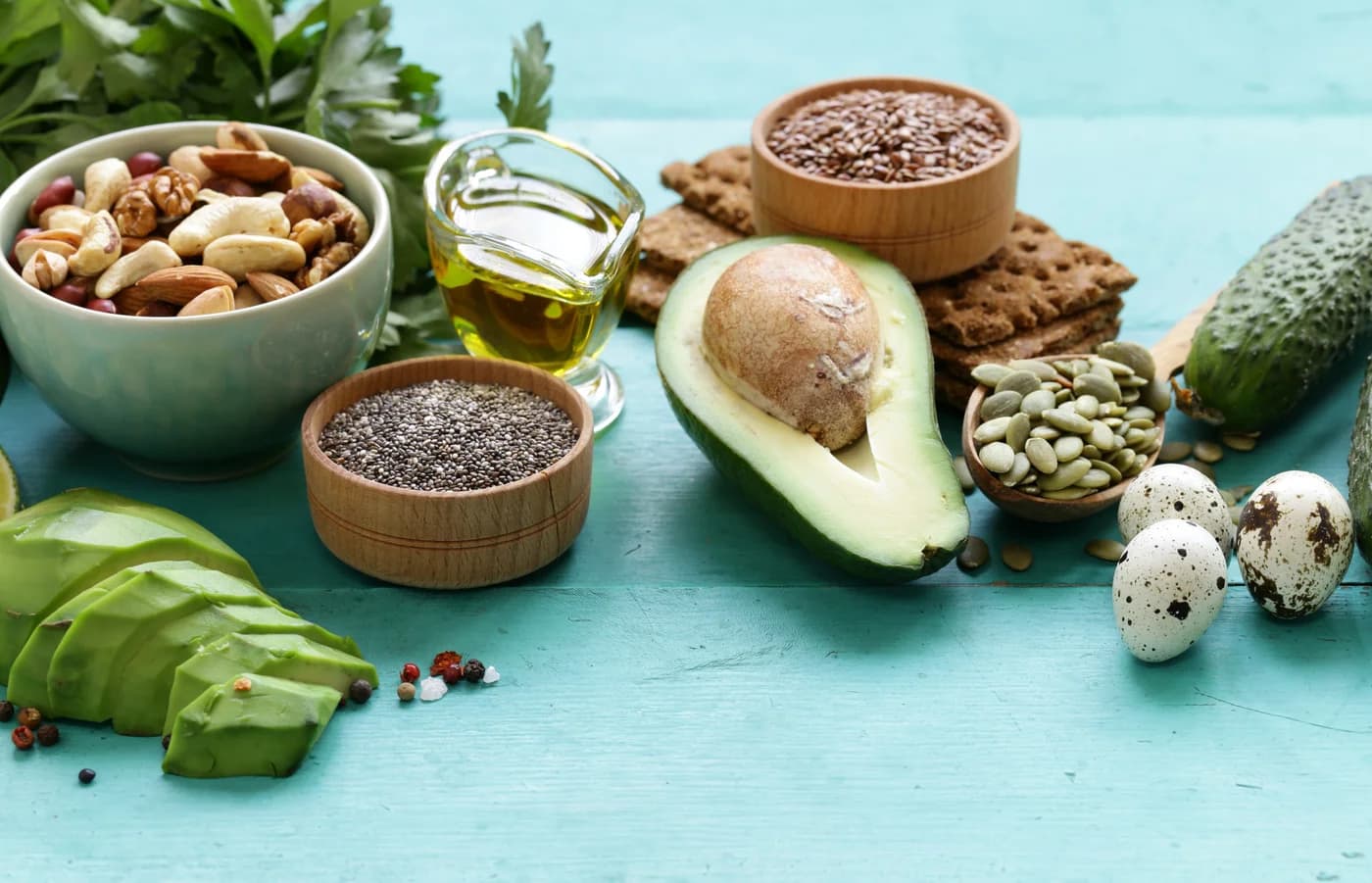
Lists of keratin-rich foods often include carrots, spinach, nuts and pulses. Those foods do not contain the keratin that makes up your hair in the way the title might suggest. Instead, your body uses nutrients from food to make its own proteins, including keratin.
That is a useful distinction. A varied diet can support normal hair and nail growth, especially when it corrects an inadequate intake. It cannot guarantee thicker hair, repair every damaged strand or treat every cause of hair loss. Start with enough food and protein rather than chasing a single hair food.
What keratin does
Keratin is a structural protein found in hair, nails and the outer layers of skin. The body makes it from amino acids, the building blocks obtained when dietary protein is digested.
Eating a protein does not send it intact to a particular body part. Digestion breaks food down, and the body uses the available materials according to its needs. A keratin capsule therefore does not simply become a new hair strand.
Plant foods can still support keratin production even though they are not direct sources of hair keratin. The more accurate question is which foods help meet the nutritional needs involved in normal growth.
Enough protein is the first food priority
An eating pattern that repeatedly falls short of protein can affect hair growth. In vegetarian meals, useful sources include pulses, beans, soya, tofu, paneer, milk and curd. Nuts and seeds contribute too, usually in smaller portions.
Make the protein visible in the meal. A little coriander on rice or a few nuts scattered over a small breakfast cannot carry the whole day’s requirement.
Try a substantial bowl of dal with lunch, tofu in a stir-fry or paneer in a sandwich. Our guide to protein-rich vegetarian foods gives more options. Variety helps supply amino acids without requiring a special combination at every sitting.
Do not overlook overall food intake
Crash diets and rapid weight loss can be followed by increased hair shedding. If meals have become very small, simply adding a beauty supplement may leave the underlying shortage unchanged.
Carbohydrate and fat also have a place. A plan built around very little food, with several nutrients removed at once, can be hard to sustain and nutritionally inadequate.
If you are working on weight management, aim for changes that preserve regular meals and enough protein. Hair shedding after illness, major stress or a restrictive period can also take time to become noticeable, so the most recent food you ate may not be the cause.
Iron and zinc matter when intake is inadequate
Iron deficiency can be relevant to hair shedding, while zinc is involved in normal growth and many body processes. Neither should be taken in high doses just because a hair product lists it.
Vegetarian iron sources include pulses, beans and some seeds and fortified foods. Pairing a plant-iron food with a vitamin C source, such as lemon, amla or guava, can support absorption.
Zinc is found in foods including pulses, nuts, seeds and dairy. A varied diet can contribute it across the day. If a deficiency is suspected, testing and targeted treatment are more useful than guessing a large supplement dose from symptoms alone.
Vitamins are support, not a growth switch
Vitamin C supports collagen formation and iron absorption. Other vitamins also have normal roles in skin and metabolism. Their importance does not establish that extra amounts above your needs produce extra hair.
Biotin deficiency can affect hair, but it is uncommon. High-dose biotin supplements have not been established as a general solution for people without deficiency and can interfere with some laboratory tests.
More is not always harmless: excessive amounts of certain nutrients, including selenium and vitamin A, can contribute to hair loss. A supplement labelled for hair can therefore be unhelpful when it duplicates several other products.
Make meals practical
You do not need a separate keratin menu. Build meals that provide enough energy and a useful mixture of foods you can obtain regularly.
Examples include:
- Moong chilla with curd and a fruit serving.
- Rajma with rice, vegetables and lemon on the side.
- A tofu or paneer roll with a vegetable filling.
- Roasted chana or a modest handful of seeds as part of a snack.
These are meal ideas, not a promise that a particular plate will grow hair faster. Choose the combinations that suit your appetite, budget and routine, and keep them substantial enough to be useful.
Food cannot reverse every kind of damage
The visible hair shaft is not living tissue that can heal itself like skin. Reducing harsh handling, excessive heat and tight hairstyles can limit further damage, while conditioners may improve feel and manageability.
Eating better supports future growth where nutrition is relevant, but it does not instantly repair split ends or chemically damaged lengths. A smoothing treatment at a salon is also different from nutritional support.
Do not use the word keratin to blur these purposes. A food, an oral supplement and a hair-straightening treatment need different evidence and have different effects.
When shedding needs more than food advice
Patchy loss, scalp pain, redness, scaling, sudden marked shedding or a receding pattern deserves assessment. Thyroid problems, inherited hair loss, illness, medicines and other conditions can be involved.
Correcting low iron may help when deficiency is present, but it will not treat every cause. Starting many supplements at once can also make it harder to know what is helping or causing side effects.
If you seek care, a simple account of when the change began, recent illness or weight loss and medicines or supplements is useful. You do not need to arrive with a complicated self-diagnosis.
Give useful habits time
Hair grows gradually, so meaningful changes are assessed over months rather than a few days. Repeatedly changing powders or eliminating foods can create expense and uncertainty without improving the underlying routine.
Keep meals adequate, include protein regularly and care for the hair gently. The honest value of keratin-rich food advice is helping the body obtain what it needs, rather than claiming that one vegetable or supplement delivers keratin straight to your scalp.
Editorial sources
Frequently Asked Questions
Related Articles
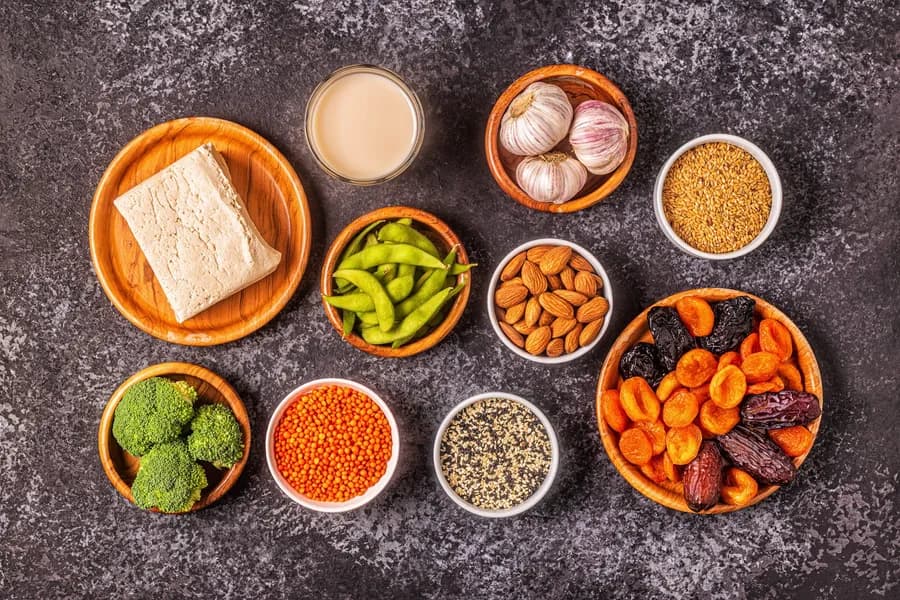
Vegetarian Foods for Hair Growth
Food supports normal hair growth but cannot fix every type of hair loss. Learn key vegetarian nutrients, supplement risks and when to seek care.

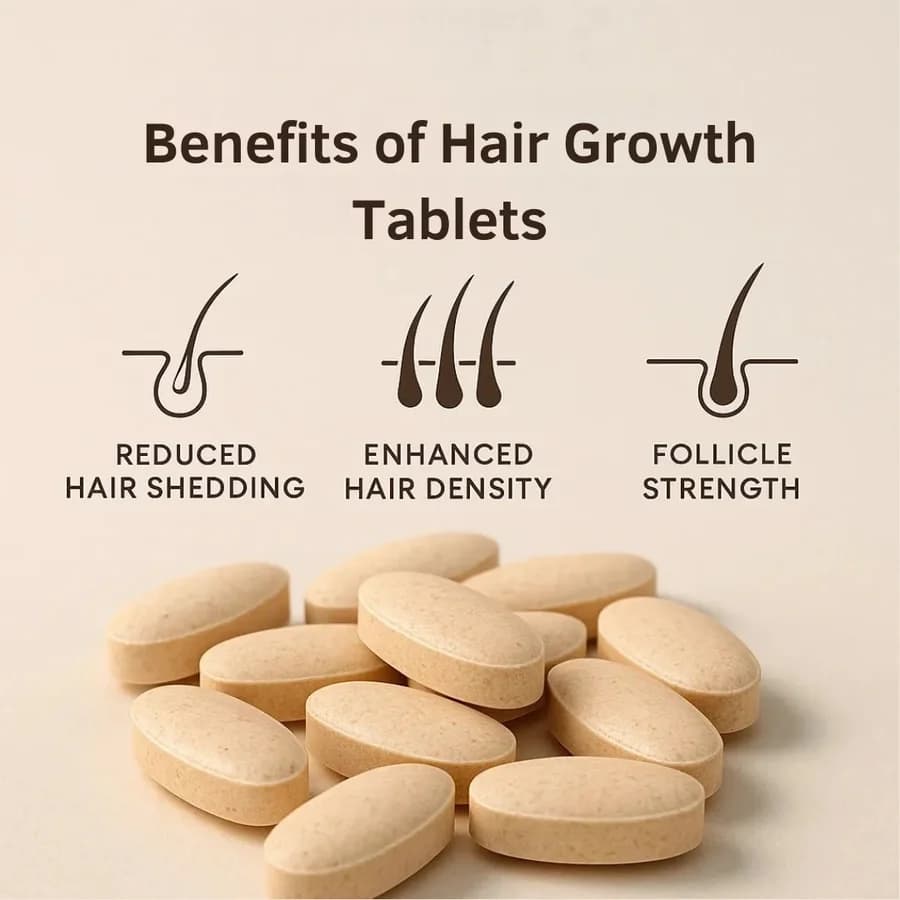
Hair Growth Tablets: What Helps and What to Skip
Choose hair-loss care for a clear purpose rather than relying on a general beauty supplement.

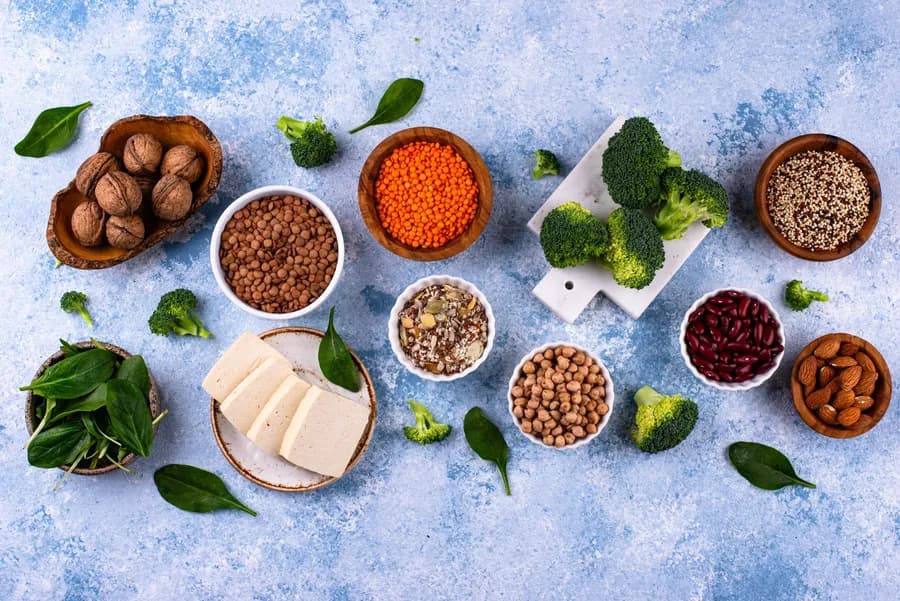
Iron rich foods need protein: 1/4th plate habit
Eating iron rich foods is important, but protein helps your body use iron better. Learn the 1/4th plate protein habit with simple vegetarian foods.
Protein in 50 g Paneer: How Much Does a Small Portion Provide?
A 50 g portion of regular paneer often supplies about 9 to 10 g protein. Learn the simple calculation and how the serving fits a full meal.