
Lycopene: Food Sources, Evidence and Practical Uses
Where lycopene comes from, why cooked tomato with a little oil is absorbed better, and what the heart and prostate evidence actually shows.
Key Takeaways
- Tomato paste, puree and cooked tomatoes are the richest everyday lycopene sources.
- Lycopene is fat-soluble, so cooking tomato with a little oil helps absorption.
- Heart and prostate links come mostly from diet studies, not proof of cause.
- Food beats capsules; lycopene never replaces cancer screening or heart care.
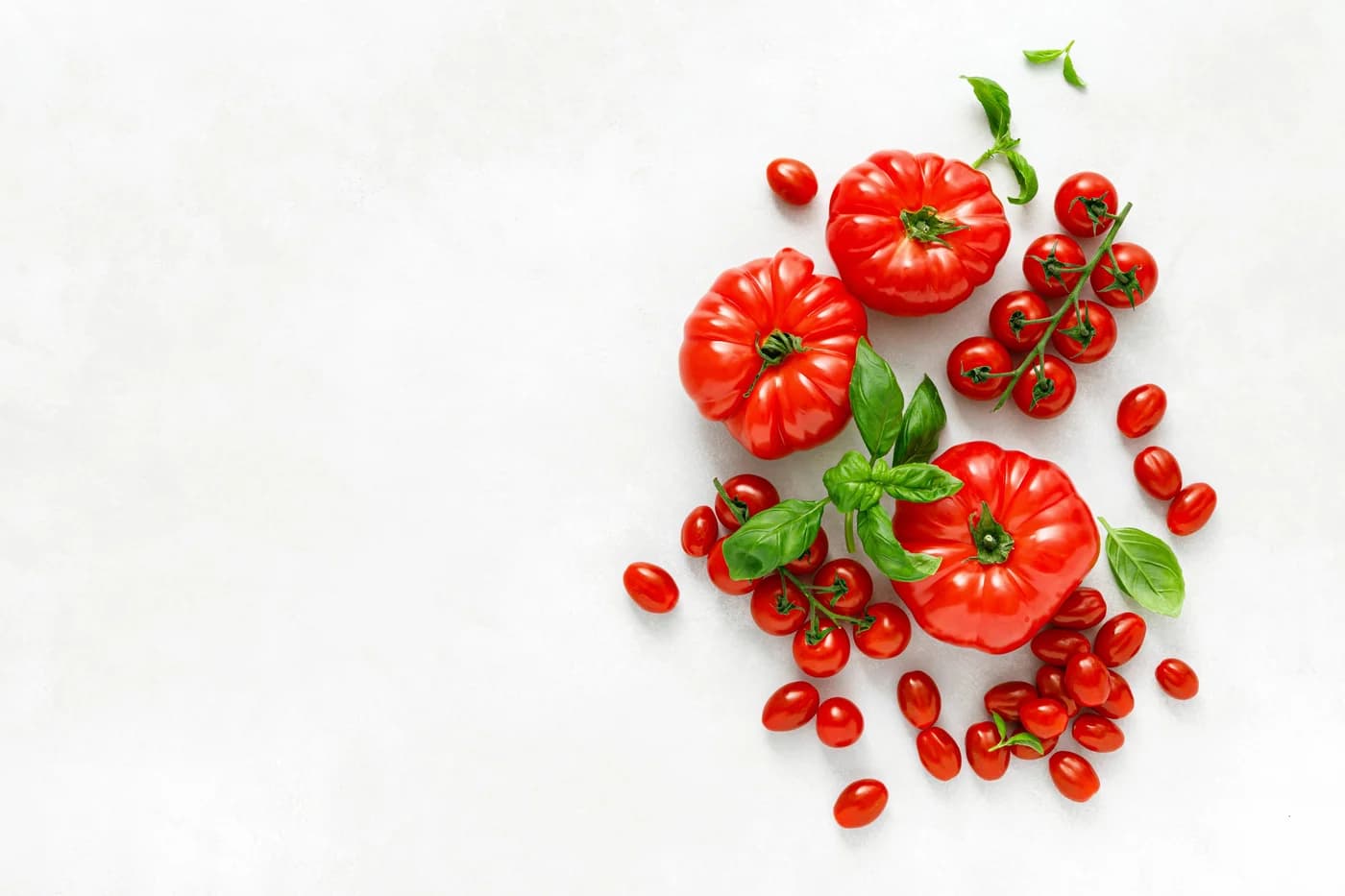
Lycopene is the red carotenoid pigment found abundantly in tomatoes and also present in watermelon, pink guava and papaya. It acts as an antioxidant in laboratory systems, while its effects on human health are studied within complex diets. Cooked tomato products eaten with a little fat are particularly well absorbed. That does not make ketchup a supplement or lycopene a cancer treatment.
What is lycopene?
Lycopene is a carotenoid, but unlike beta-carotene it does not convert into vitamin A. Its chemical structure allows it to neutralise certain reactive molecules in laboratory conditions. Antioxidant activity in a test tube is not a direct measure of disease prevention inside a person, where absorption, metabolism and the whole diet matter.
Where can you get lycopene from food?
Tomato paste, puree, cooked tomatoes and unsweetened tomato juice are concentrated sources. Watermelon, pink guava, papaya and pink grapefruit contribute varying amounts. Rotating sources brings other nutrients too and keeps the diet from revolving around one compound.
Does colour tell you everything?
A deep-red tomato often suggests more lycopene than a pale one, but variety, ripeness, growing conditions and processing all matter. Yellow tomatoes still contribute vitamin C and potassium, and white guava offers its own nutrition even though pink guava contains lycopene. Use colour as a reason to vary produce, not as a scorecard.
Why is cooked tomato useful?
Heat breaks down plant cell walls and changes lycopene into forms the body may absorb more easily. Because lycopene is fat-soluble, eating cooked tomato with a modest amount of oil further supports absorption. Raw tomatoes remain nutritious, so cooked and raw preparations can sit side by side rather than compete.
Can lycopene protect your heart?
Higher tomato intake and higher blood lycopene have been associated with some favourable cardiovascular outcomes, but association does not prove that lycopene caused them. Supplement trials have not shown that lycopene can replace blood-pressure care, cholesterol treatment, regular movement or a varied, plant-rich eating pattern.
Do prostate health claims hold up?
Lycopene is often marketed for prostate health. Research on tomato-rich diets is mixed and does not justify promising prevention or treatment. Anyone with urinary symptoms or cancer concerns needs medical evaluation, and a supplement should never delay screening, diagnosis or oncology care.
Do you need a lycopene capsule?
A tomato-based meal supplies fibre, potassium, vitamin C and many plant compounds, while a capsule isolates a single dose. The benefits of high-dose supplements are uncertain, and products may interact with medicines or cause side effects. Food is the sensible default unless a qualified professional identifies a specific reason otherwise.
Watch the salt and sugar in tomato products
Tomato sauces, soups and ketchup may contain substantial sodium or added sugar. Compare labels using a realistic serving. Passata or no-added-salt puree gives you more control, and ketchup should stay a condiment rather than the main vegetable on the plate.
Easy ways to add lycopene to meals
- Cook tomato into dal, rajma, chana or tofu dishes.
- Stir tomato puree into vegetable soup.
- Make a lightly oiled tomato chutney.
- Serve watermelon, papaya or pink guava as whole fruit.
For a simple low-sodium meal, cook onion, garlic and tomatoes into a base, add lentils or beans and finish with a small amount of oil. Making the base from fresh tomatoes rather than a salty bottled sauce lets you control sodium while still getting concentrated flavour and well-absorbed lycopene. Freeze extra portions for quick meals. The goal is variety and flavour, not an unproven daily lycopene target.
Is lycopene safe?
Ordinary food amounts are safe for most people. Acidic tomato products may aggravate reflux; if this is a concern, reduce chilli, keep portions moderate and avoid lying down soon after eating. Tomato allergy is possible. Very high, prolonged intake can rarely cause a harmless orange tint to the skin. Persistent symptoms, supplement use during pregnancy or possible interactions with medicines deserve individual advice from a doctor or pharmacist.
Editorial sources
Frequently Asked Questions
Related Articles

Antioxidant Rich Foods: A Simple Guide to Eating More of Them
Antioxidants protect your cells from everyday oxidative stress caused by pollution, sun exposure, and normal metabolism. See the easiest foods to build a.

Antioxidants: Nutrition Facts, Uses and Safety
Antioxidants can add variety, flavour and useful nutrients to a vegetarian eating pattern. Its exact nutrition depends on the form, serving and.
Vitamin E Benefits: Antioxidant Power for Skin & Hair
Vitamin E is a fat-soluble antioxidant that protects cell membranes from damage and supports skin and hair health. See where to find it, and how much you.
