
Macros Explained: A Simple Guide to Carbs, Protein and Fat
Learn what carbohydrate, protein and fat do, whether you need macro targets, and how to balance everyday Indian meals without counting.

Key Takeaways
- Carbs supply energy, protein maintains tissues and fat helps absorb vitamins A, D, E and K.
- Most foods mix macros: dal has carbs and protein, peanuts have fat and protein.
- A plate with protein, vegetables and a comfortable grain serving beats chasing exact ratios.
- Short-term tracking can reveal gaps, such as a low-protein breakfast or oily snacks.
- Fibre, vitamins and minerals still matter when the macro numbers look right.
"Macros" means the three macronutrients the body uses in larger amounts: carbohydrate, protein and fat. All three have a place in everyday eating, and you do not need to count every gram to make a balanced meal. For most people, a plate with vegetables, a clear protein food and a comfortable serving of roti, rice or another starch is more helpful than chasing a perfect ratio.
What does each macro do?
Carbohydrate
Carbohydrate is found in grains, fruit, milk, pulses, potatoes and many other foods. It supplies glucose that the body uses for energy, especially during activity. Fibre is also a carbohydrate, though much of it is not digested like starch and sugar. Whole grains, pulses, fruit and vegetables bring fibre and other nutrients along with their carbohydrate. Our guide to carbohydrate-rich foods compares the main sources.
Protein
Protein provides amino acids used to build and maintain muscles and other tissues, and to make enzymes and many other substances. Dal, chana, rajma, soy foods, milk, curd, paneer, eggs, fish and meat are familiar sources. A spoonful of dal or a few nuts adds some protein but does not make a protein-rich meal, so look at the amount on the plate. See how much protein you need per day for a fuller explanation.
Fat
Fat helps form cells and helps the body absorb vitamins A, D, E and K. Nuts, seeds and cooking oils provide fat, as do dairy, eggs and many packaged foods. Unsaturated fats are a better choice in place of some saturated fat (see good fats vs bad fats), but the amount of oil or ghee still affects a meal's energy. There is no need to remove all fat to eat well.
Most foods are a mix
Foods rarely fit just one box. Dal has carbohydrate and protein; curd may have all three; peanuts contain fat and protein. Khichdi changes with the amount of rice, dal, vegetables and oil. A simple label like "carb food" cannot describe everything a food offers.
Do you need a macro target?
Most people do not. A fixed percentage of calories from each macro cannot account for age, activity, appetite, health conditions and food preferences. If your meals regularly include protein foods, vegetables, fruit and a variety of grains, you can make useful improvements without a calculator.
Some people do benefit from more precise targets. Athletes may plan carbohydrate around training. Someone using insulin may need to know the carbohydrate in meals. Protein may deserve extra attention during recovery, ageing or strength training, while a person with kidney disease may need less. These are reasons for a tailored plan, not for copying an influencer's numbers.
Tracking food for a short period can reveal patterns, such as very little protein at breakfast or a lot of oil in snacks. Apps estimate home-cooked and restaurant dishes imperfectly, though. If recording every bite becomes stressful, use a simple plate guide instead.
How can you balance ordinary meals?
- Breakfast: besan chilla with curd and fruit, or oats cooked in milk with nuts.
- Lunch: dal, sabzi and roti; add curd or another protein food if the dal portion is small.
- Dinner: tofu with vegetables and rice, fish with greens and roti, or rajma with rice and salad.
- Snack: fruit with roasted chana, or a small handful of nuts.
You do not need equal amounts of each macro at every meal. Someone who exercises in the morning may want a larger grain serving at breakfast. Keep a clear protein source across the day, use vegetables and fruit for variety, and adjust starch and fat portions to appetite and goals.
For fat loss, an overall intake you can sustain matters more than cutting out carbohydrates. Smaller amounts of extra oil, sweets and fried snacks help while dal, vegetables and a comfortable grain serving keep meals enjoyable. For weight gain or a low appetite, peanut butter, curd, a little more oil or a fuller grain serving can make meals more substantial.
What can macro counting miss?
A day of refined snacks and protein powders can hit a chosen ratio yet provide little fibre or variety. Vitamins, minerals and the type of fat matter too, and a vegetarian diet with enough macros may still need attention to vitamin B12 or iron. Protein powder is optional; it cannot replace the range of nutrients in ordinary meals.
For one week, look at your usual meals instead of calculating percentages. Does breakfast have a protein food? Are vegetables present at lunch and dinner? Is the grain portion comfortable? Change one meal that leaves you hungry or sluggish. Macros are a useful way to understand food, not a daily score.
Editorial sources
Frequently Asked Questions
Related Articles
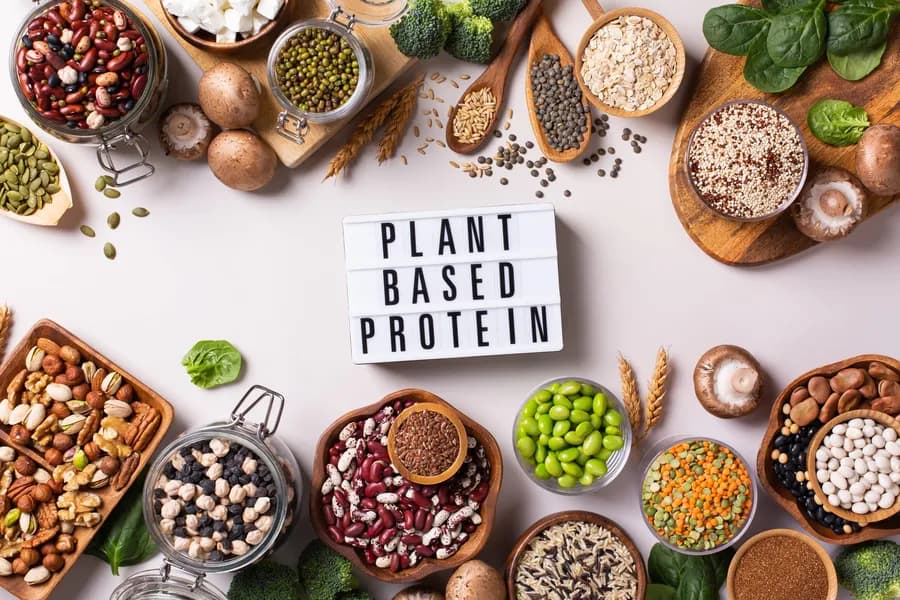
Protein Per Day: How Much Do You Need? A Simple Vegetarian Guide
Protein needs depend on body size, age, activity, pregnancy and health. The basic adult requirement is a starting point, not a perfect target for everyone.

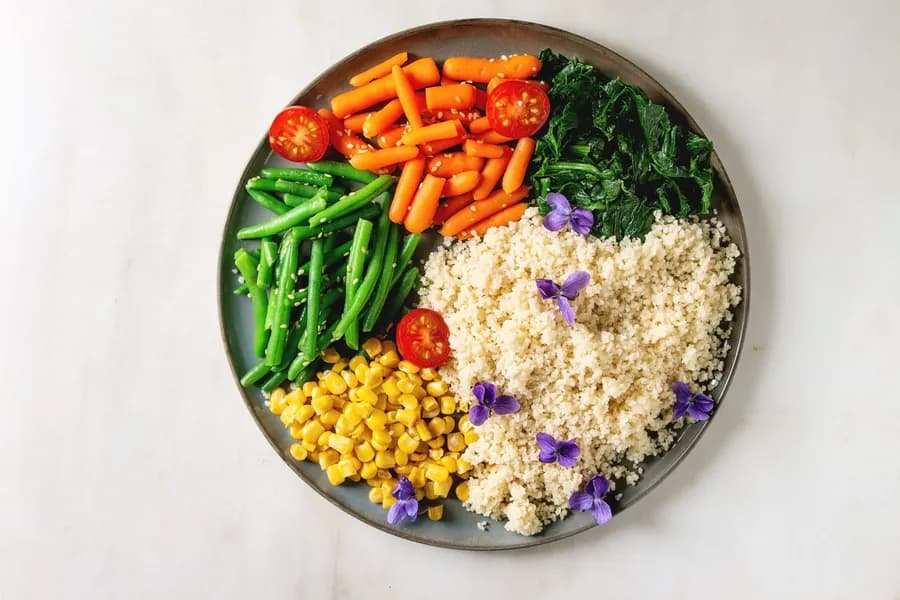
Carbohydrate-Rich Foods: Quality, Portions and Meal Balance
Carbohydrates are the body’s main readily available energy source, from fibre-rich whole grains and pulses to refined sweets.

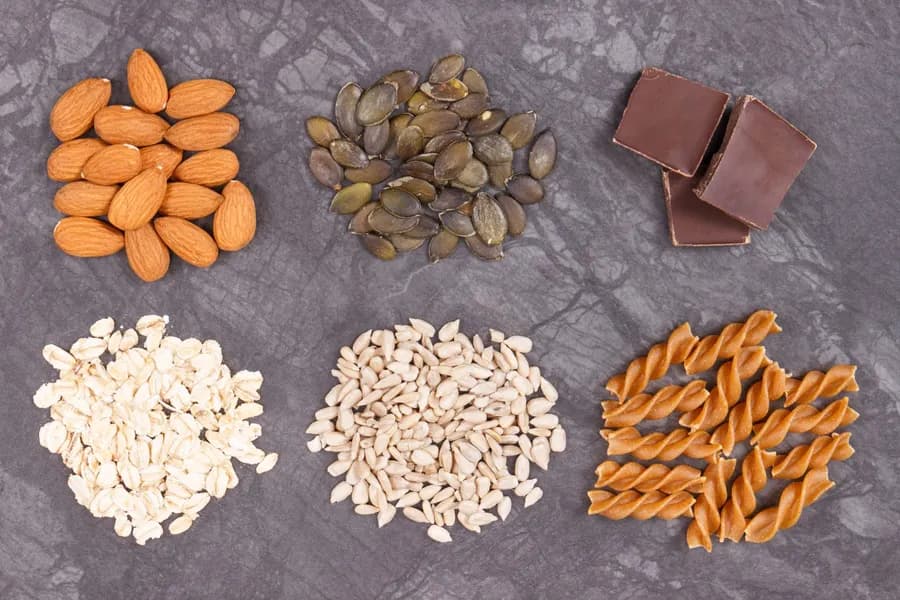
Good fats vs bad fats: choose fats wisely
Understand good fats vs bad fats in simple words. Learn which vegetarian fats to choose, what to reduce and how to read food labels better.
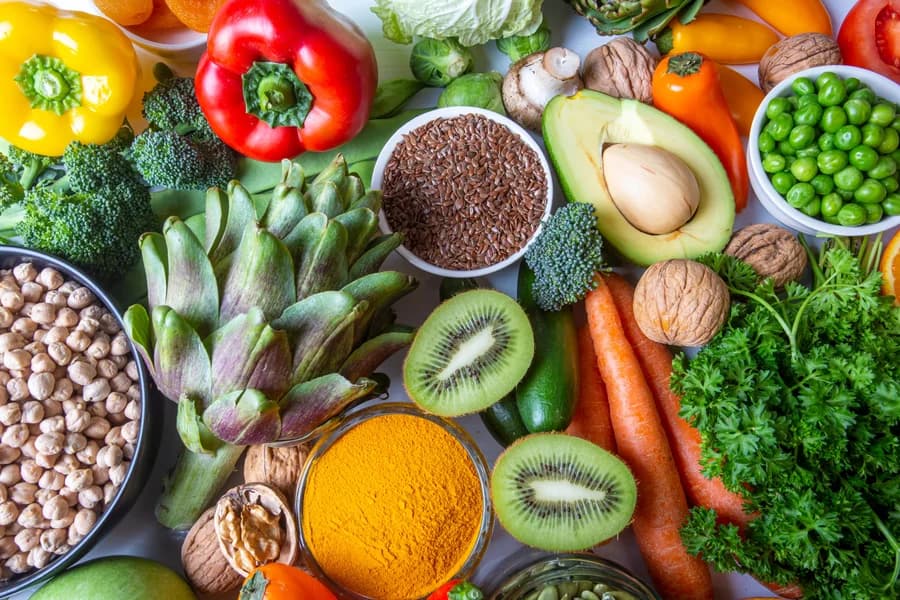
Micronutrients: Small Nutrients with Big Jobs
Vitamins and minerals are needed in small amounts but do big jobs. Here is how to cover them through food and when testing helps.
Balanced Diet Chart for a Week: A Practical Example for Indian Households
A balanced diet chart is easiest to understand as a template, not a timetable — a way of thinking about protein, fibre, carbs, and fat across your meals..