
Noni Juice: Benefits, Uses and Safety
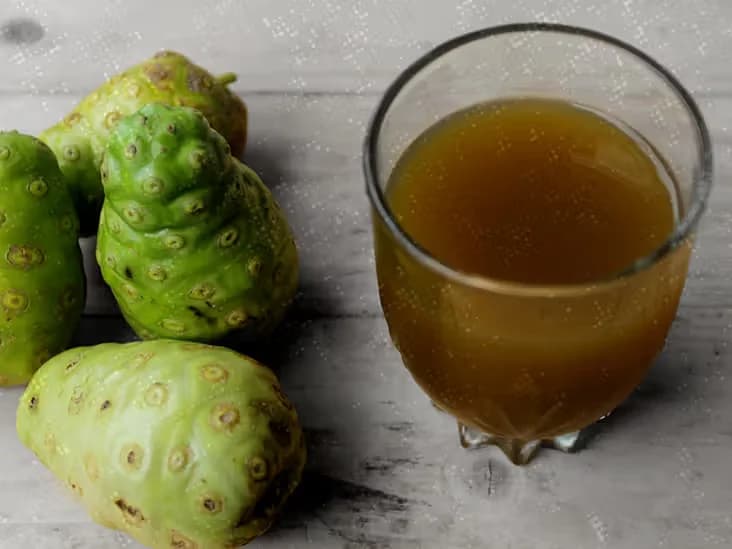
Noni juice comes from Morinda citrifolia, a tropical tree also called Indian mulberry. Its strong smell and sharp flavour set it apart from ordinary juice.

Key Takeaways
- Noni juice is a specialist fruit drink, not a necessary part of a healthy diet.
- Small human studies leave claims about immunity, detox, pain or disease treatment unproven.
- Pure juice and fruit blends differ greatly in noni content, added sugar and serving size.
- People with liver or kidney problems, or on potassium-raising medicines, should seek advice first.
Noni juice comes from Morinda citrifolia, a tropical tree also called Indian mulberry. Its strong smell and sharp flavour make it unlike ordinary fruit juice. It is sold pure, blended, concentrated or as a supplement. Interest in noni juice benefits is high, but good human research remains limited. This guide explains its uses, the evidence and the relevant safety points.
What is inside a bottle of noni juice
Ripe noni fruit is soft, pale and notably pungent. Producers may press it soon after harvesting or allow the fruit to age before collecting the liquid. The finished drink can therefore taste earthy, sour or slightly fermented. Some bottles contain almost entirely noni, while others combine it with grape, blueberry or other sweeter juices.
The fruit supplies water, carbohydrate and plant compounds, including iridoids. Nutrient content depends on processing and added ingredients, and brands can differ greatly, so labels matter. Benefits should not be inferred from the word "natural" or from the colour of the drink.
Pure juice, blends, powders and capsules
A bottle marked "100% noni juice" is not the same as a beverage in which noni appears near the end of a long ingredient list. Blends are often easier to drink, but they may contain more sugar and much less noni. Concentrates provide a smaller volume with a less predictable exposure unless the manufacturer clearly states the dilution and serving instructions.
Powders and capsules are different products again. Drying and extraction change the amount and range of compounds delivered in each dose, so research on one preparation cannot be applied automatically to every other form. When comparing products, check the percentage of noni, serving size, added sweeteners, other herbs, batch information and storage directions.
Potential noni juice benefits
Research has explored several possible effects, but it has not established noni juice as a treatment. The most reasonable reading of current evidence is cautious:
- It can contribute fluid as a beverage, although plain water is simpler and usually contains no sugar.
- The fruit contains antioxidant-related plant compounds, but laboratory activity does not prove a meaningful health effect in people.
- A few small studies have looked at exercise recovery, pain or selected blood markers; their size and design do not support broad recommendations.
- It can provide a distinctive flavour for people who enjoy it, which is a culinary use rather than a medical benefit.
These possible benefits are modest and uncertain. There is not enough reliable evidence to say that noni prevents cancer, controls diabetes, clears infections, strengthens immunity or "detoxes" the body. Anyone being treated for a health condition should continue prescribed care rather than replace it with juice.
How people drink it
Noni juice is usually taken in a small amount because its flavour is intense. It may be served chilled, diluted with water or mixed with an unsweetened fruit drink. There is no proven advantage to taking it on an empty stomach, at a particular hour or as part of a cleanse. Following the manufacturer's serving direction is safer than using a household spoon or copying an online routine.
If the taste is the main attraction, a small splash can be used in a smoothie or sharp fruit dressing, which keeps noni in the role of an ingredient. There is no need to increase the amount over time; a larger serving can add sugar or cause digestive discomfort without creating a better result.
What research has examined
Researchers have studied noni for antioxidant activity, exercise-related fatigue, joint discomfort and changes in selected blood markers. Some small trials reported favourable results, but participant numbers and follow-up were limited. Several also tested a particular preparation, so the findings may not apply to other juices or the wider population.
Laboratory experiments have examined noni compounds in relation to inflammation, microbes and cancer cells. These findings guide future research but do not prove that drinking the juice prevents or treats disease. Reliable conclusions about noni juice benefits require larger, independent human trials.
Traditional use and modern expectations
Different parts of the noni plant have a history of traditional use across Southeast Asian and Pacific communities. This history explains today's interest, but it does not establish that bottled juice treats a medical condition. Modern products are often promoted for energy, digestion, immunity, pain or general wellness, and current evidence does not justify treating those claims as guaranteed. A more realistic role is as an optional fruit drink for someone who enjoys its unusual taste, alongside a varied diet and any recommended treatment.
Choosing and storing it
Pure juice, sweetened blends and concentrates are not interchangeable, so check how much noni the drink contains and whether sugar has been added. Follow the stated serving and refrigeration instructions, and discard a product that leaks, develops mould or changes unusually after opening.
Safety points that matter
Noni has been linked in case reports to liver injury, although it is not always possible to prove that the product was the only cause. Stop using it and seek medical help for yellow skin or eyes, dark urine, persistent nausea, unusual itching or severe upper-abdominal pain. People with existing liver disease should not use noni products without advice from a qualified clinician.
Noni can contain considerable potassium. That may be important for people with kidney disease or those taking medicines that raise potassium, including some blood-pressure treatments and potassium-sparing diuretics. Anyone taking regular medicine should show the exact label to a pharmacist or doctor. Safety during pregnancy and breastfeeding has not been established, so avoiding noni products during these periods is prudent. Mild stomach upset or diarrhoea is also possible.
Is noni juice worth trying?
For a healthy adult who likes the flavour, a reputable noni drink can be treated as an occasional beverage. The decision becomes less sensible when the product is costly, heavily sweetened or sold with promises to cure disease. Know what is in the bottle, keep the serving moderate and judge it as a drink, not as a substitute for food, sleep, activity or medical care.
In short, noni juice benefits remain less certain than advertising often suggests. If you try it, use one clearly labelled product, notice how you tolerate it and stop if it causes symptoms.
Editorial sources
Frequently Asked Questions
Related Articles

Antioxidant Rich Foods: A Simple Guide to Eating More of Them
Antioxidants protect your cells from everyday oxidative stress caused by pollution, sun exposure, and normal metabolism. See the easiest foods to build a.

Immunity Boosting Foods: What Actually Supports Your Immune System
No single food boosts immunity beyond what your body can already do — what certain foods can supply is the vitamin C, zinc, protein, and gut support your.
Amla Juice Benefits: Immunity, Digestion & Skin
Amla juice concentrates Indian gooseberry into an easy daily shot — vitamin C, antioxidants, and polyphenols without eating the sour fruit itself. See.