
Nutrient-Dense Foods: Affordable Everyday Choices for Indian Meals
Affordable nutrient-dense foods for Indian meals: how to upgrade your usual thali, read labels and use supplements only for real gaps.
Key Takeaways
- Nutrient-dense foods give vitamins, minerals, protein or fibre relative to their calories.
- Dal, seasonal fruit, greens, curd and peanuts are affordable nutrient-dense staples.
- Upgrade your usual thali with dal, a vegetable and a protein food, not a superfood.
- WHO advises at least 400 g of fruit and vegetables a day for people over 10.
- Nutrient density never means eating too little; energy and protein still matter.
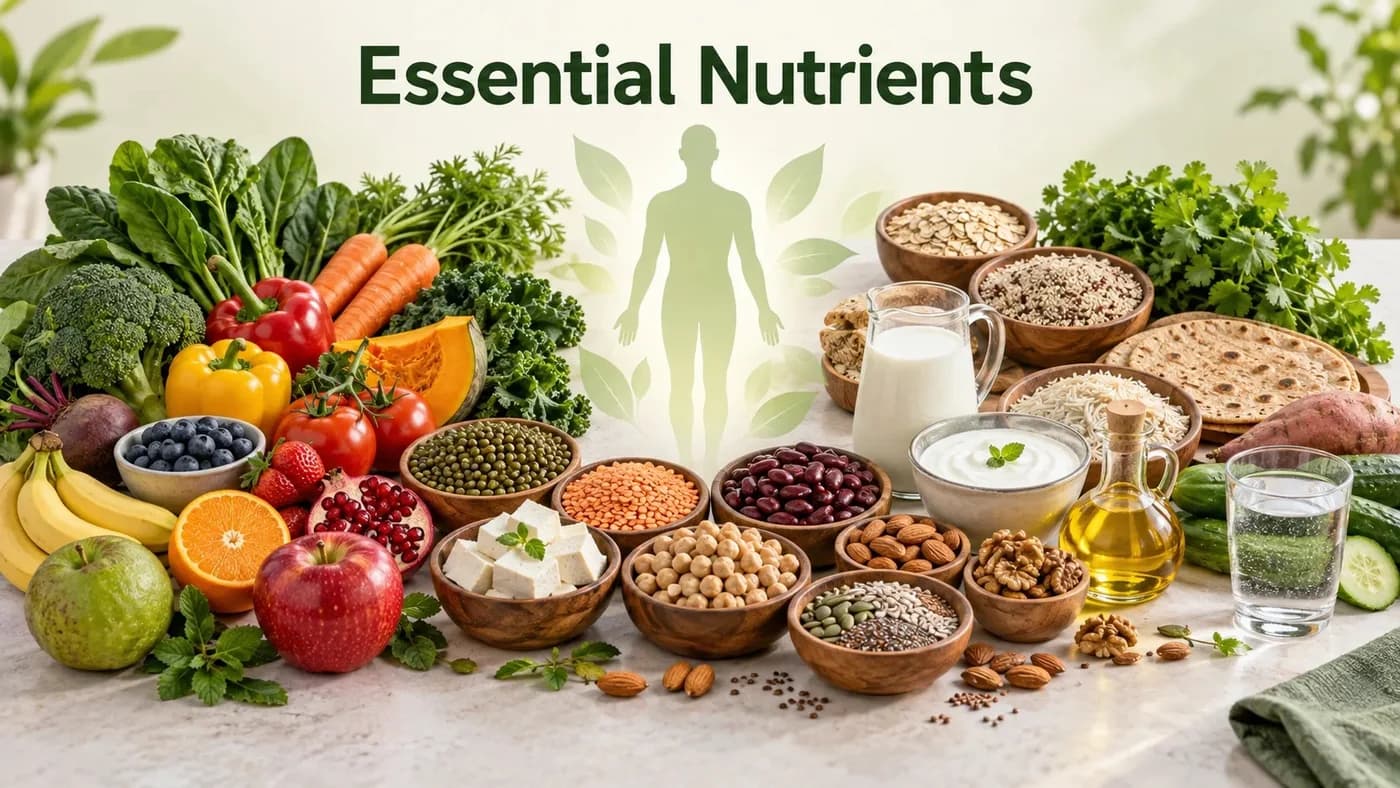
Nutrient-dense foods provide useful vitamins, minerals, protein, fibre or healthy fats relative to the calories they contain. The idea is not to score every bite or give up foods you enjoy. It is a practical way to build meals that support energy and health without relying mainly on refined snacks or supplements. This guide focuses on choosing and buying such foods; for what each nutrient does in the body, see our guide to essential nutrients.
What does nutrient-dense mean?
A nutrient-dense food packs several important nutrients without a large load of added sugar, refined starch or excess salt. Calorie-dense foods such as nuts and seeds can still be nutrient-rich, so the term should not divide food into good and bad groups. Portion, frequency and the whole day matter more than any single item.

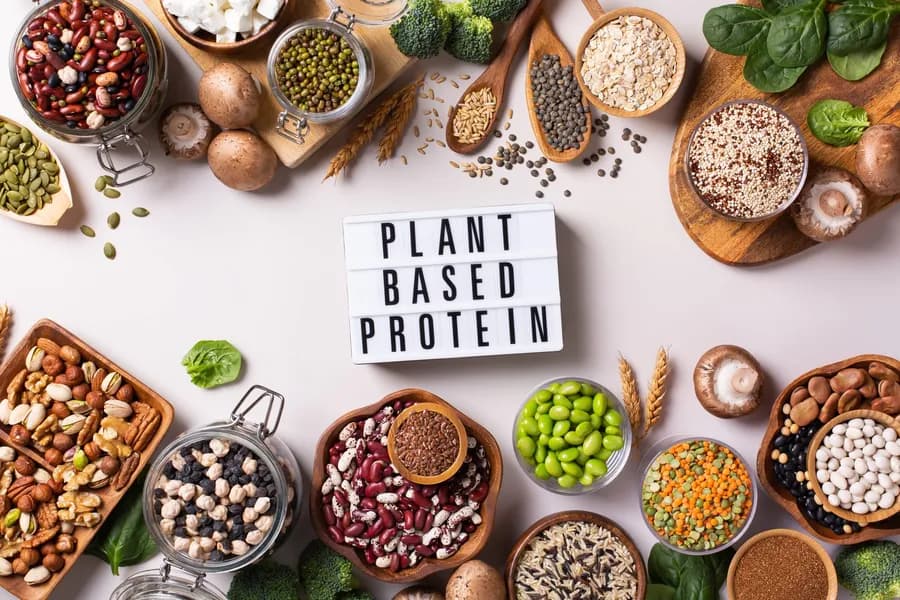
- Dal and other pulses: protein, fibre, iron and folate
- Vegetables and greens: fibre, vitamin C, folate, carotenoids and potassium
- Fruit: vitamin C, fibre and plant compounds
- Whole grains and millets: energy, fibre, B vitamins and minerals
- Curd, milk, paneer or fortified soy: protein and calcium
- Nuts and seeds: healthy fats, magnesium and zinc
No single food provides everything. The WHO notes that diets drawing on a wide variety of foods are more likely to meet vitamin and mineral needs.
Which foods give the best value?
Seasonal, local produce such as guava, papaya, amla, bananas, carrots, pumpkin and leafy greens often costs less than imported berries and is just as useful. Lentils, chana, rajma and soy chunks are economical sources of protein and fibre. Peanuts, sesame and flaxseed add healthy fats in small portions, and eggs suit ovo-vegetarians. Frozen vegetables and plain canned beans help when cooking time is short; rinse salty canned beans before use.
The front of a pack may highlight one added vitamin while the product contains plenty of sugar or salt. Read the ingredients and per-serving label before a cereal, bar or health drink becomes a daily habit. Fortification can help, but one added nutrient does not describe the whole food.
Upgrade the thali you already eat
Look at the plate before looking for a superfood.
- Rice with a little pickle needs a proper bowl of dal and a vegetable dish.
- Roti and sabzi gain from curd, tofu, chana or another protein-rich vegetarian food.
- Poha or upma can take peas and vegetables, with curd or roasted chana on the side.
- Besan chilla with grated vegetables makes a quick, filling breakfast.
You do not need every food group in every meal; think across the day and the week. The WHO recommends at least 400 g of fruit and vegetables a day for people over 10, which is easiest to reach by spreading servings across meals.
Make it easy to repeat
Keep a short shopping list: two or three vegetables, one or two fruits and a few protein foods for the next several days. Cook extra dal or beans to use in the next meal, and keep plain curd and roasted chana ready for busy days. Refrigerate leftovers promptly, and test a small pack of any unfamiliar food before buying in bulk.
A mix of cooked and raw foods works well: cooking lowers some vitamins but makes other nutrients easier to absorb. For a ready template, see our balanced diet chart for a week. The weekly pattern can include celebrations and convenience foods without losing its foundation.
Enough energy matters too
Nutrient density does not mean eating the smallest possible amount. Children, active adults, older people with poor appetite and people recovering from illness need enough energy and protein. Large bowls of raw salad can fill you before you have eaten enough; softer cooked meals or smaller, more frequent servings may work better. Ongoing poor appetite or unplanned weight loss needs medical assessment rather than a stricter healthy-food list.
Where supplements fit
Supplements fill specific gaps rather than replace food. Vitamin B12 occurs naturally only in animal foods, so vegans and many vegetarians need fortified foods or a supplement, while vitamin D or iron may be needed when tests or life stage show a need. Juices and powders may concentrate a few nutrients but lose fibre and satisfaction. Whole foods remain the base.
Editorial sources
Frequently Asked Questions
Related Articles
Essential Nutrients: What Your Body Needs and Where to Get Them
The six classes of essential nutrients, how vegetarian foods work together to cover them, and the gaps like vitamin B12 that need deliberate planning.

Micronutrients: Small Nutrients with Big Jobs
Vitamins and minerals are needed in small amounts but do big jobs. Here is how to cover them through food and when testing helps.

Balanced Diet Chart for a Week: A Practical Example for Indian Households
A balanced diet chart is easiest to understand as a template, not a timetable — a way of thinking about protein, fibre, carbs, and fat across your meals..
Protein-rich vegetarian foods: 1/4th plate habit
Explore protein, carbohydrates, healthy fats and meal planning for strength training, muscle building and recovery.