
Nuts Nutrition: Types, Portions and Everyday Uses
Nuts share healthy fats, protein and fibre, but each type has its own strengths. Here is how to choose forms and portions that suit you.
Key Takeaways
- Most nuts provide unsaturated fat, plant protein, fibre and minerals in a small serving.
- Each nut has strengths: vitamin E in almonds, ALA omega-3 in walnuts, selenium in Brazil nuts.
- Plain or dry-roasted nuts suit daily use better than salted, sugar-coated or fried versions.
- Nuts are energy-dense and a common allergen; whole nuts are a choking risk for under-fives.
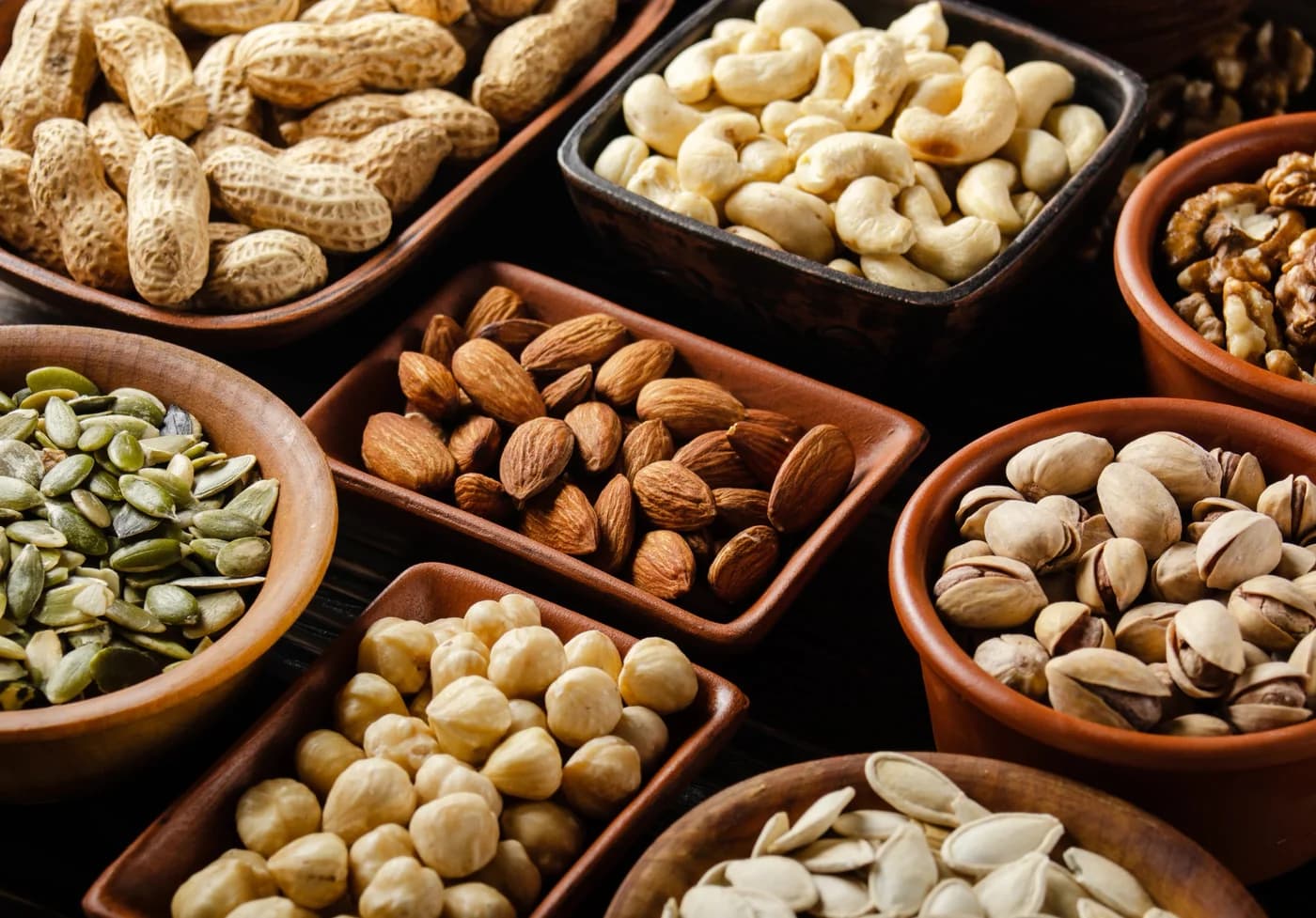
Almonds, walnuts, pistachios, cashews, peanuts and other nuts share a broadly similar nutrition profile, but they are not identical. Most provide unsaturated fat, plant protein, fibre and minerals in a small, energy-dense serving. The form you buy, whether raw, roasted, salted, coated, ground into butter or pressed into oil, matters as much as the type. This guide compares common nuts and explains how to use them sensibly in everyday Indian meals.
What nuts have in common
Most nuts are rich in unsaturated fats and contain useful amounts of plant protein and fibre, along with vitamin E, folate, potassium and magnesium in varying amounts. Large population studies have linked regular nut eating with a lower risk of heart disease, especially when nuts replace less nutritious snacks rather than being added on top of them. These studies show an association rather than proof that nuts alone protect the heart, but the pattern is consistent enough that nuts are widely recommended as part of a balanced diet.
Nuts are also filling for their size. Their mix of fat, protein and fibre can make a snack last longer than biscuits or namkeen with similar calories.
How common nuts differ
Almonds
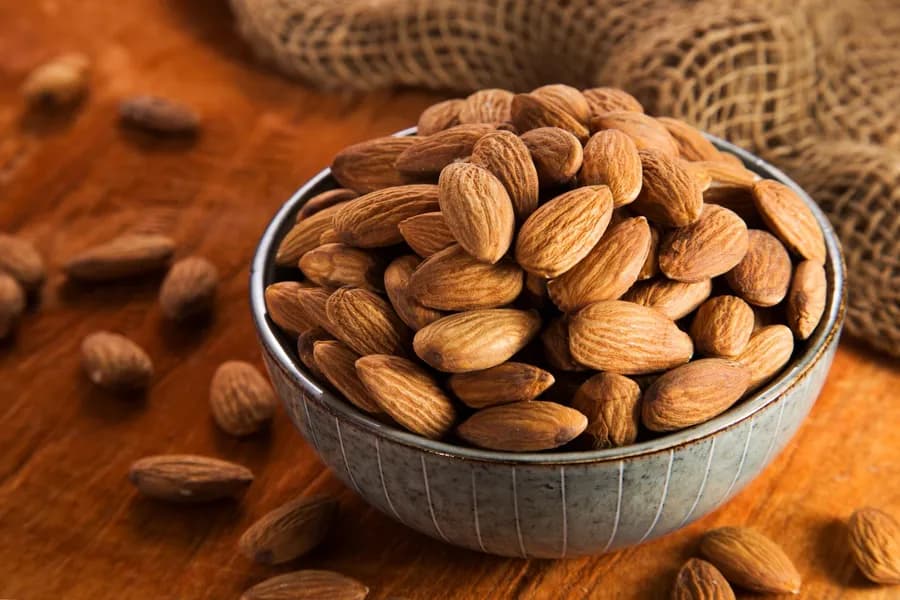
Almonds are one of the better nut sources of vitamin E and also provide magnesium, calcium and fibre. They are versatile: whole, sliced, ground into flour or blended into a drink.
Walnuts
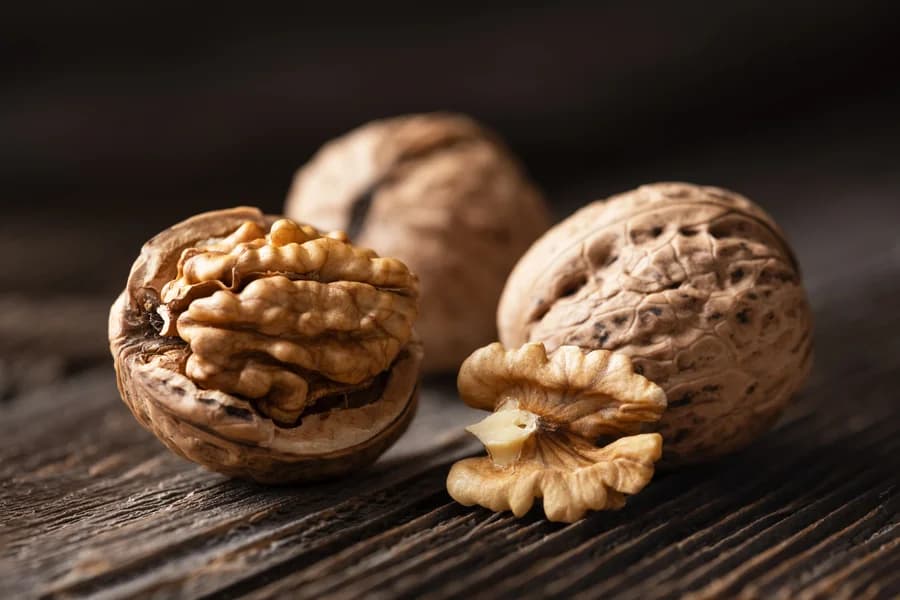
Walnuts stand out for alpha-linolenic acid (ALA), a plant omega-3 fat. This makes them a useful option for vegetarians who get little omega-3 from other foods.
Pistachios
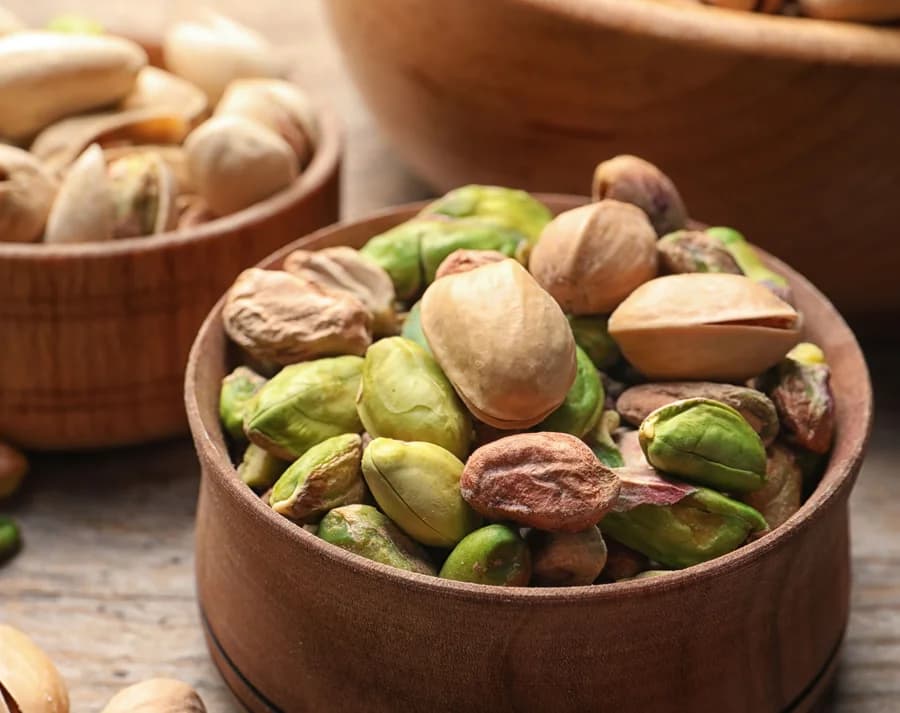
Pistachios provide potassium, plant protein and colourful plant pigments. Buying them in the shell slows eating down, which some people find helps with portions.
Cashews
Cashews are softer and creamier, which is why they are used in gravies and sweets. They supply magnesium, zinc and iron, but cashew-based gravies and kaju sweets can carry a lot of added fat and sugar.
Peanuts
Peanuts are legumes botanically but nutritionally similar to tree nuts and are often the most affordable option. They are relatively high in protein and can be eaten roasted, in chikki or as chutney.
Brazil nuts
Brazil nuts are exceptionally rich in selenium. One or two add a useful amount, while eating large numbers every day can push selenium intake too high.
Whole, roasted, ground and pressed forms
Whole raw or dry-roasted nuts keep their fibre and need chewing, which naturally slows intake. Oil-roasted nuts add a little extra fat. Salted, masala, honey-roasted or chocolate-coated nuts change the profile with added sodium or sugar, so judge them as snacks rather than as plain nuts. Nut butter is convenient but easy to over-serve; choose one made mainly from nuts, without large amounts of added sugar or other fats. Nut oils contain fat but no fibre or protein, so they count as a cooking fat rather than a nut serving.
Portions and everyday uses
Because nuts are energy-dense, a small handful of around 28-30 g is a common practical serving. Simple ways to include them:
- Eat a measured handful as a mid-morning or evening snack.
- Sprinkle chopped nuts on poha, upma, oats, curd or fruit.
- Add peanuts or cashews to vegetable dishes and salads.
- Blend a few nuts into chutney or gravy instead of using cream.
- Spread a thin layer of nut butter on whole-grain toast.
Portion out a serving rather than eating from the jar, and rotate between types for variety.
Allergy and safety
Peanut and tree-nut allergies can be severe. Anyone with a known allergy should avoid the relevant nuts and check labels for "may contain" warnings. Swelling of the lips or throat, difficulty breathing or collapse after eating nuts needs emergency help. Whole nuts are a choking hazard for children under five; offer them finely ground or as a smooth nut butter instead. People on a sodium-restricted or calorie-controlled plan should favour unsalted nuts and measured portions.
Buying and storing nuts
Choose packs with a clear ingredient list and a recent packing or best-before date. Because nuts are high in fat, they can turn rancid and develop a bitter or stale smell. Store them in an airtight container in a cool, dark place, or refrigerate them if you buy in bulk. Discard nuts that look mouldy or shrivelled or taste bitter.
Editorial sources
Frequently Asked Questions
Related Articles
Almonds: Nutrition, Portions and Smart Everyday Uses
Almonds provide protein, fibre, unsaturated fat, vitamin E and magnesium in a compact serving. Learn smart portions and everyday uses.
Walnut Benefits, Nutrition, Portions and Safety
Walnuts provide unsaturated fat, protein, fibre, magnesium and plant ALA omega-3. They are nutritious but energy-dense.

Pistachio Benefits: Portions and Simple Meal Ideas
Pistachios are small tree nuts with a naturally green centre and a mild, slightly sweet flavour.
