
Oligosaccharides: Good for Your Gut or Cause of Gas?
Oligosaccharides in beans, onions and garlic can feed helpful gut bacteria, but they also cause gas for some people. Here is a simple guide to both sides.
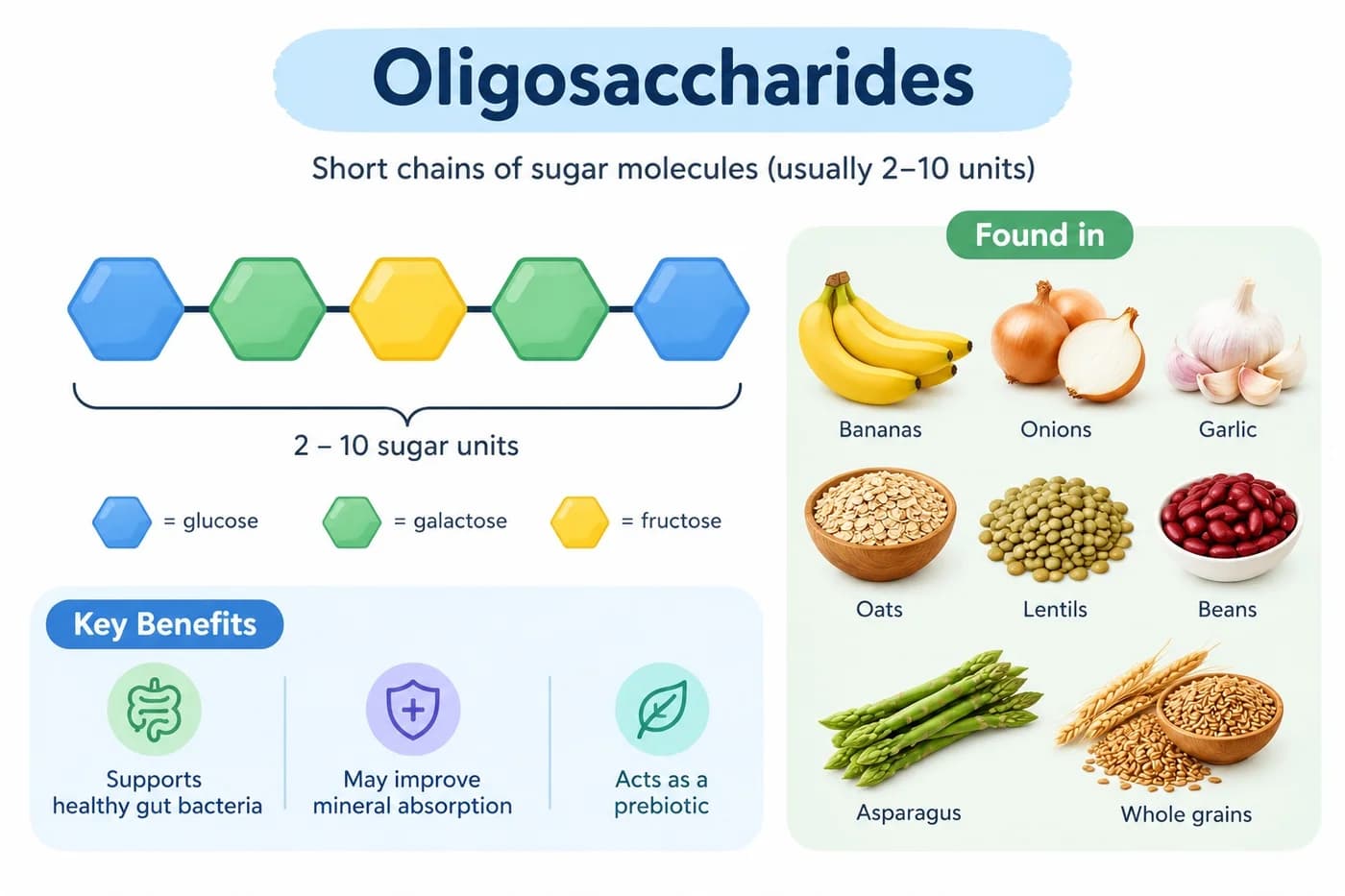
Key Takeaways
- Oligosaccharides are short sugar chains found in pulses, onions, garlic and wheat.
- They can feed beneficial gut bacteria, which may produce gas.
- Soaking pulses and increasing portions slowly can ease discomfort.
- People with IBS may need individual advice on FODMAPs.
If beans, onions or garlic leave you bloated, you’ve already met oligosaccharides, even if you’ve never heard the word. They’re natural carbohydrates found in everyday foods, and they have two sides. For some people they feed helpful gut bacteria. For others they cause gas and discomfort. Here’s a simple guide to both.
So, what are they?
Oligosaccharides are short chains of sugar molecules. The name sounds technical, but they’re simply one type of carbohydrate. They’re not a single ingredient, and they’re not the same as table sugar. Your body digests them differently, and much of what you eat passes through your small intestine without being broken down.
Where you’ll find them
You eat these every day, probably without noticing. Common sources include:
- Onions and garlic
- Wheat, rye and barley
- Pulses like rajma, chana, moong and dal
- Soy foods
- Some fruits and vegetables
The two names you may come across are fructans, found mostly in onion, garlic and wheat, and galacto-oligosaccharides (GOS), found mostly in pulses. There’s also a separate group called human milk oligosaccharides, which matter in infancy. They’re a different thing and shouldn’t be confused with the ones in adult foods or supplements.
How they help your gut
When oligosaccharides reach your large intestine, the bacteria living there ferment them. Some of these bacteria are considered helpful, which is why certain oligosaccharides are called prebiotics. Think of them as food for your gut microbes.
That sounds great, but it’s worth staying realistic. Changing your gut bacteria doesn’t guarantee a specific health result. A varied diet with plenty of plant foods is a sensible way to support your gut, without expecting any single food to do the job.
Why they cause gas
The same fermentation that feeds your gut bacteria also makes gas, and it can draw extra water into the bowel. For many people this is mild and passes on its own. Gas from beans or onions is a normal result of fermentation, not a sign that the food is bad for you.
For others, especially people with irritable bowel syndrome (IBS), it can bring bloating, cramps or an uncomfortable, full feeling. How much you react depends on the food, your portion and your own gut. Stress can make these symptoms feel stronger too, so our article on how to reduce stress naturally is worth a look.
Easing the discomfort
If these foods bother you, you don’t have to give up dal and rajma. Try these steps instead:
- Add fibre-rich foods gradually, not all at once.
- Start with smaller portions of pulses and build up.
- Soak pulses well, discard the soaking water and cook them until soft.
- Eat slowly, and chew your food well.
- Notice which foods and portions cause trouble, rather than blaming everything.
A gentle walk after meals and a regular toilet routine can help your gut too. A relaxed online yoga class can ease tension if stress shows up in your stomach.
What about IBS and FODMAPs?
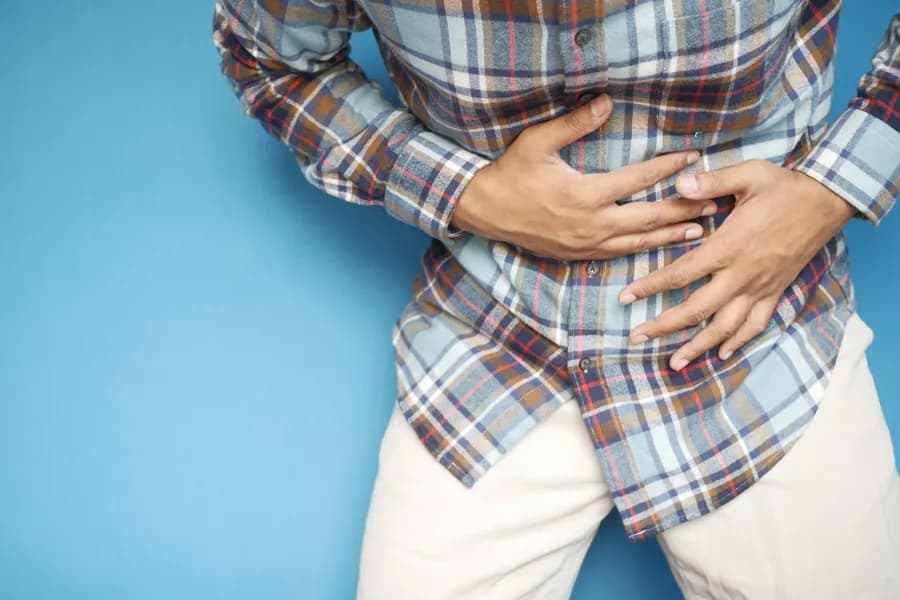
You may have heard of the low-FODMAP diet. FODMAPs are a group of fermentable carbohydrates, and oligosaccharides are one of them. For some people with IBS, a short, planned reduction of these foods helps them work out their personal triggers.
This isn’t a diet to try alone for long. Cutting out onion, garlic, wheat and all pulses is hard to sustain, and it can leave your meals short on fibre, protein and variety. It’s meant to be temporary and guided. A dietitian can help you remove foods for a short time, bring them back step by step and keep your nutrition balanced. If your symptoms are frequent or worrying, see a doctor first to find the cause.
Do you need a prebiotic supplement?
Most people don’t. Foods like dal, chana, whole grains and vegetables already contain natural prebiotics. Supplements are more concentrated, and for some people they make bloating worse. If you’re thinking about one, ask a doctor or dietitian first, especially if you have IBS or other digestive problems.
Also be wary of products that promise a “perfect gut” in a few days. Your gut is shaped by your whole diet, sleep, stress and activity over time.
Keep the good foods
It’s easy to decide that onions, garlic and pulses are the enemy after a bad day of bloating. But these foods bring protein, fibre, minerals and flavour to Indian meals. For many people, a small portion or a different way of cooking is all it takes.
If you’re sensitive, try one change at a time. Maybe it’s a smaller bowl of rajma, or tempering your dal with a little asafoetida (hing) instead of lots of raw garlic. Then see how you feel. If a food causes real trouble, you can adjust the portion without removing it for good.
When to see a doctor
Gas and bloating are common, but get medical advice if you have:
- Pain that’s severe or keeps coming back
- Blood in your stool, or black stools
- Weight loss you can’t explain
- Ongoing diarrhoea or constipation
- Trouble swallowing or repeated vomiting
- Symptoms that wake you at night
These can have causes that no change in diet will fix. For more on supporting your body day to day, see our guide on how to detox your body naturally, or browse our Habitology health guides.
A simple habit to try
Pick one small change, like soaking your pulses well or having a smaller portion of rajma, and keep it up for two weeks. Notice how your stomach feels, how easy the change is and whether it fits your routine. Keep it only if it’s comfortable and useful for you.
Editorial sources
Frequently Asked Questions
Related Articles
Prebiotics and Probiotics: Differences, Food Sources and Safety
Prebiotics are substrates selectively used by microorganisms, while probiotics are live microorganisms that provide a demonstrated health benefit…

Fibre rich foods: what fibre does for your gut
Fibre does more than aid digestion — it feeds gut bacteria and helps keep blood sugar steady. See what fibre-rich foods actually do for your gut.
Gut Health Diet: What to Eat for a Healthier Digestive System
A good gut health diet isn’t about one superfood — it’s consistent daily habits: enough fibre, a variety of plants, some fermented food, and enough.

Bloating: Common Food Triggers, Simple Fixes and When to Get Help
Find the likely cause of your bloating, from eating fast to constipation or lactose, try one change at a time and know when to see a doctor.