
Omega-3 for Women: Sources, Evidence and Safety
How omega-3 needs shift through pregnancy, breastfeeding and menopause, which vegetarian sources help, and what supplement claims overstate.

Key Takeaways
- Flax, chia and walnuts give ALA; algae oil is the vegetarian source of DHA and EPA.
- Pregnancy and breastfeeding raise the value of DHA, but dose should be clinician-guided.
- Evidence does not support omega-3 as a hormone-balancing or skin cure.
- Check the label for actual DHA and EPA, not just total oil per capsule.
- Higher doses can raise bleeding risk; tell your doctor before surgery.
Omega-3 fats support normal cell membranes and take part in signalling, brain function and cardiovascular health. The main dietary forms are ALA from plants and the longer-chain fats EPA and DHA. Women do not need a different nutrient from men, but pregnancy, breastfeeding, menopause, cardiovascular risk and vegetarian food choices can change which sources deserve attention. Flax, chia, walnuts and certain oils supply ALA, while algae-derived DHA and EPA offer a vegetarian option. Supplements are useful in selected situations, not an automatic requirement for every woman.
Women's health marketing often bundles omega-3 with promises about fertility, skin, hair and hormones. These outcomes involve many pathways, and a capsule cannot be assumed to fix them. Menstrual changes, infertility, hair loss or persistent fatigue deserve assessment for causes such as iron deficiency, thyroid disease, polycystic ovary syndrome, stress or low energy intake.
Menopause does not automatically create a high-dose requirement either. Cardiovascular risk rises with age, but blood pressure, LDL cholesterol, glucose, movement, sleep and smoking remain central. Nuts and seeds fit a heart-supportive pattern, while a capsule adds only selected fats.
Which omega-3 do you need?
ALA is essential because the body cannot make it. It occurs in flaxseed, chia seeds, walnuts, soy foods and canola oil. The body converts only a limited amount into EPA and DHA, and conversion varies between people. Plant sources still contribute an essential fat; the limited conversion simply explains why DHA or EPA may be considered directly at some life stages. Our guide to vegetarian omega-3 foods lists everyday options.
EPA and DHA are associated with fish, but microalgae are the original source in the food chain. Algae-based supplements suit vegetarian and vegan preferences. Check the label for the actual amount of DHA and EPA, not just total oil, because products vary widely and a large capsule is not proof of a useful dose.
What benefits are supported?
Omega-3 fats are part of a heart-healthy pattern, but supplement trials do not show the same benefit for every person or outcome. Prescription-strength products can lower very high triglycerides under medical supervision. An ordinary wellness capsule is not equivalent to a prescription formulation and should not replace statins, diabetes care or dietary change.
Claims about glowing skin, hormonal balance, weight loss or mood are broader than the evidence. Some studies look at specific conditions and doses, but results are mixed. Depression, painful periods or inflammatory symptoms deserve proper assessment; omega-3 can be discussed as part of care, not as a standalone cure.
What changes in pregnancy?
DHA contributes to fetal and infant brain and eye development, so pregnancy and breastfeeding are important periods for adequate intake. A Cochrane review found that omega-3 supplementation in pregnancy modestly reduces the risk of early preterm birth. Needs should be discussed with an obstetric clinician, especially on a vegetarian diet. Choose a product designed for pregnancy when advised, check that it is algae-derived if that matters to you, and do not start high-dose products independently.
Some supplements also contain added vitamin A or other ingredients that may be unsuitable in pregnancy, so read the full label. Nausea, reflux and aftertaste are common reasons people stop; taking an approved product with food or choosing a smaller capsule may help. See also our guide to prenatal vitamins.
How can meals provide it?
Grind flaxseed so the body can use its fat, and store it sealed in the refrigerator to slow rancidity. Stir a spoonful into curd, oats or atta. Soak chia for breakfast, and keep walnuts as a snack. These foods also bring fibre, protein and minerals, which isolated oil does not.
Do not pour extra oil over meals in pursuit of omega-3; oils are energy-dense and heat differently. Variety among nuts, seeds and suitable oils is more practical. If you use an algae supplement, keep the food sources too.
When can supplements clash?
Omega-3 supplements can cause burping, nausea or loose stools. Higher doses may increase bleeding tendency, particularly alongside anticoagulant or antiplatelet medicines. Tell clinicians before surgery and follow their timing instructions. Women with chronic illness or several medicines should get individual advice rather than copying an influencer's dose.
Oils can oxidise, so choose transparent labelling, a valid expiry date and independent testing where available. Discard capsules that smell strongly rancid and keep supplements away from children. Write down the product, dose and reason for taking it, and review it at appointments: correcting low intake, supporting pregnancy and treating triglycerides are different goals needing different products.
The bottom line
Omega-3 needs are best met with deliberate food choices and, when appropriate, a clearly labelled algae product. Match the form and dose to a real need.
Editorial sources
- Omega-3 fatty acids fact sheet for consumers, NIH Office of Dietary Supplements
- Omega-3 fatty acids fact sheet for health professionals, NIH Office of Dietary Supplements
- Omega-3 supplements: what you need to know, NCCIH
- Omega-3 fatty acid addition during pregnancy, Cochrane Database Syst Rev 2018 (PubMed)
Frequently Asked Questions
Related Articles
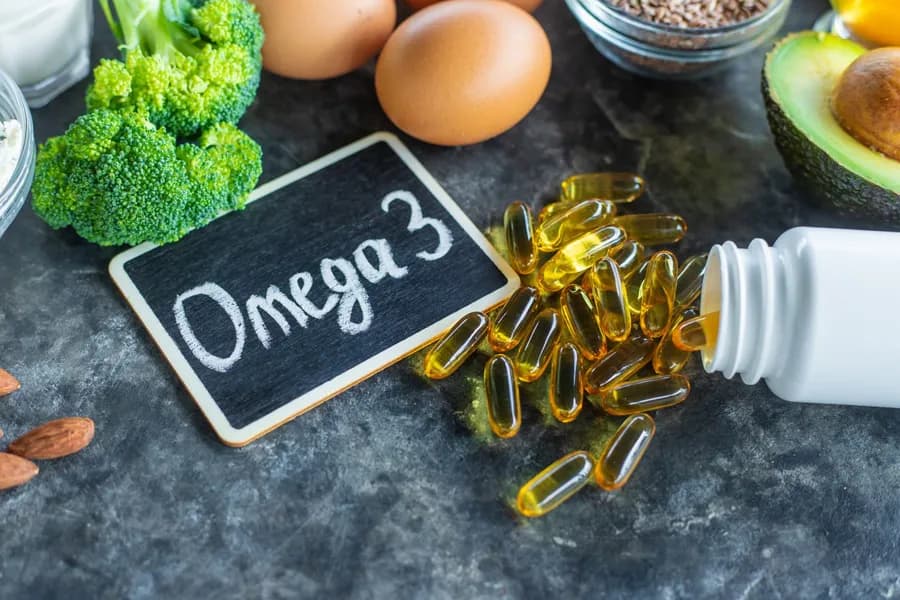
Omega-3 Foods: Vegetarian Sources and Smart Choices
Find vegetarian omega-3 foods, understand ALA, EPA and DHA, and learn simple portions, storage tips and supplement safety basics.

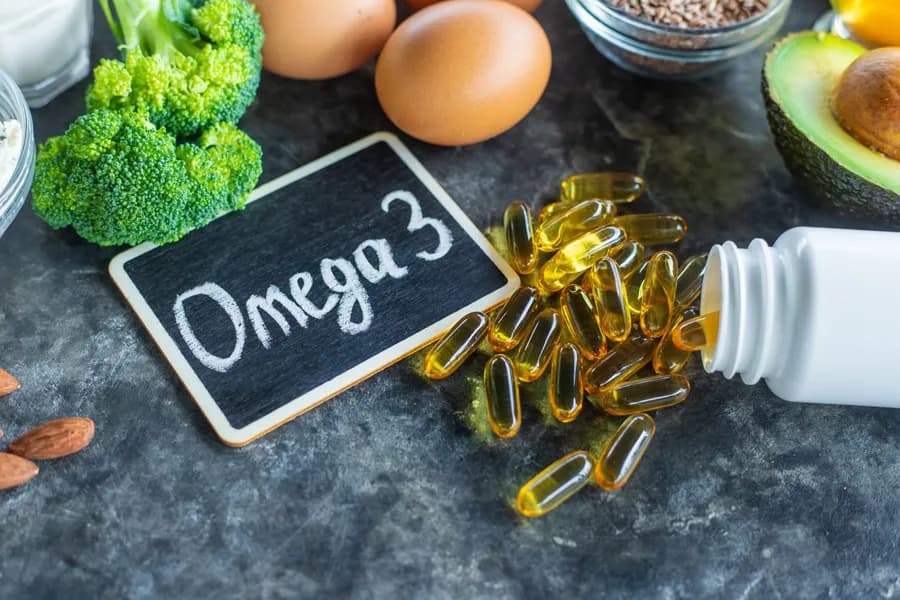
Omega-3 benefits and vegetarian sources
Learn omega-3 benefits, the difference between ALA, EPA and DHA, vegetarian food sources, algal oil options and supplement safety.

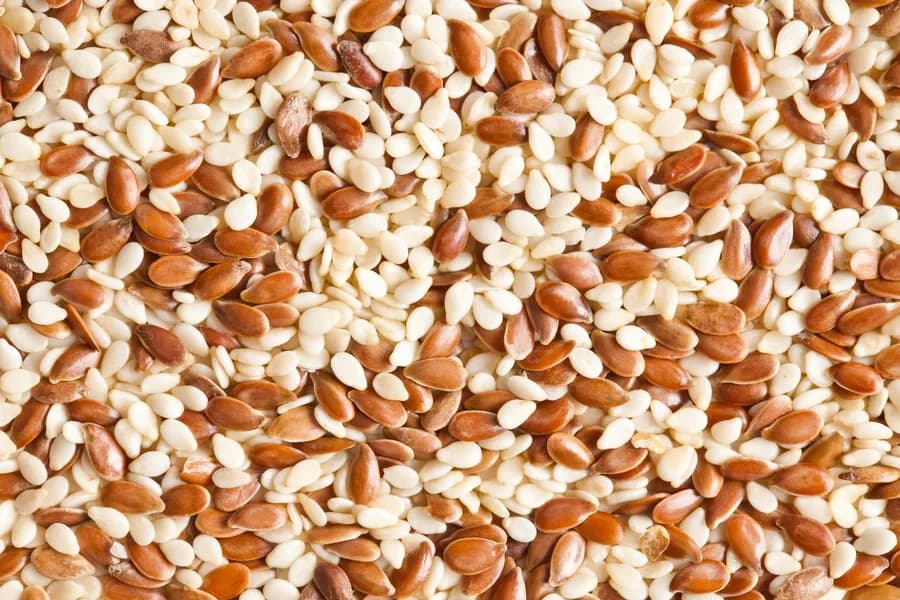
Vegan Omega 3 Sources: Best Plant-Based Options
Flaxseed, chia seeds, and walnuts make vegan omega-3 intake entirely achievable, with algae-based supplements rounding out the options. See how each one.

Flaxseed Benefits, Nutrition, Uses and Safety
Flaxseed provides fibre, alpha-linolenic acid and lignans. Grinding helps release nutrients; whole seeds may pass through the gut relatively intact.
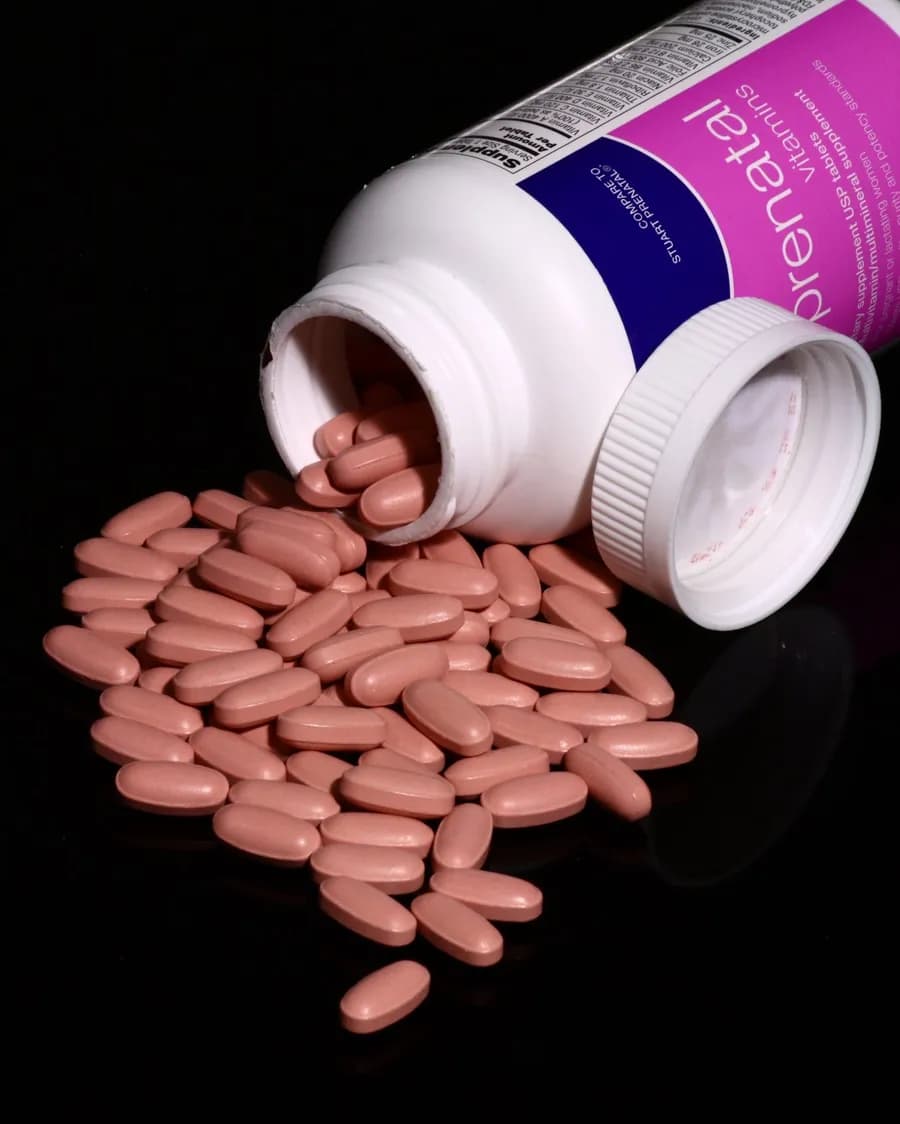
Prenatal Vitamins for Pregnancy: What They Cover and Why They Matter
Prenatal vitamins combine folic acid, iron, calcium, vitamin D, and sometimes DHA in one dose — but the right combination depends on your individual.