
Orange Juice: Is It Healthy, and How Much Is Okay?
Orange juice gives you vitamin C and fluid, but it is not the same as eating an orange. Here is how much is okay and how to enjoy it without overdoing it.

Key Takeaways
- Whole oranges give you fibre and fullness that juice lacks.
- A glass of juice can hold the sugar of several oranges.
- Choose 100% juice without added sugar and keep the portion small.
- Extra vitamin C does not prevent colds for most people.
A cold glass of orange juice feels like the healthy choice, and in some ways it is. It gives you vitamin C and fluid. But it isn’t quite the same as eating an orange, and it’s very easy to drink more than you realise. Here’s how to enjoy it without overdoing it.
Juice or the whole fruit?
When you juice an orange, most of the fibre is left behind, and you skip the chewing. That makes it easy to take in the sugar from several oranges within minutes. Whole fruit is usually the better everyday pick because it keeps you full for longer.
How many oranges are in a glass?
It can take several oranges to make one large glass. You can finish it in a few minutes, while eating the same fruit takes longer and gives you more fibre. Both contain natural sugar, but the form changes how full you feel.
A small glass fits nicely with a meal. A large bottle is a different serving altogether. Pour it into a glass so you can see how much you’re having, instead of drinking straight from the carton.
Check the label
“100 percent orange juice” means juice without added sugar, though it still has the fruit’s own sugars. A “fruit drink” or “nectar” may be mostly water, added sugar and flavouring, with very little orange. Read the ingredient list and nutrition panel. Words like “natural” or “vitamin-rich” don’t tell you how much you’re getting.
Freshly squeezed juice can also be a big serving, so the same advice applies. If you buy a family carton, check how many servings it holds. A single bottle sometimes holds more than one.
Vitamin C and immunity
Orange juice gives you vitamin C, which supports normal immune function and helps your body absorb iron from plant foods. It can’t stop every cold or cure an infection. If you already eat guava, amla, capsicum or other citrus fruit, you don’t need juice to meet your vitamin C needs. Squeezing lemon over your dal or adding a vitamin C-rich vegetable to a meal also helps with plant iron absorption. For habits that really support your defences, see our guide on how to increase immunity.
Blood sugar and teeth
Juice is a carbohydrate drink and can raise blood sugar. If you have diabetes, count it as part of your meal plan and check how your body responds if your doctor has advised that. Our piece on how to control sugar naturally has more on this.
Sipping juice slowly through the afternoon is hard on your teeth, because it exposes them to acid and sugar again and again. Have it with a meal, don’t hold it in your mouth, and rinse with water afterwards. If you have enamel concerns, ask your dentist when to brush. A straw may reduce contact but doesn’t make the drink risk-free.
When juice makes sense
A small glass can be lovely with breakfast, or now and then when whole fruit is hard to manage. There’s no special time of day that gives it extra benefits. If juice triggers acidity, have less, drink it with food or pick another fruit.
If you’re on regular medicines, ask your pharmacist about citrus juices, since grapefruit juice is the best-known one that can interact. And if someone has a poor appetite because of an illness, a doctor or dietitian can say what’s best for them. Please don’t swap all your fruit for juice just because it’s easier to drink.
Two breakfasts compared
Picture a large glass of juice on its own. Now picture an orange with a bowl of curd and a besan chilla. The second one gives you chewing, fibre and protein, and it will probably keep you full for longer.
That doesn’t mean juice is off the table. A small glass beside a proper meal is perfectly fine. It just shouldn’t crowd out water or whole fruit.
Making it simple
Keep whole fruit handy. If you buy juice, pick a clearly labelled one, pour a modest amount and store it as the packet says. Put fresh juice in the fridge promptly and finish it soon. Skip juice cleanses, because a balanced meal with fruit, vegetables, protein and a suitable staple does far more than any single drink.
For children, ask a paediatrician about juice limits for their age instead of giving an adult-sized portion.
A simple habit to try
Choose a whole orange more often, or pour a small glass of clearly labelled juice with a meal.
Editorial sources
Frequently Asked Questions
Related Articles
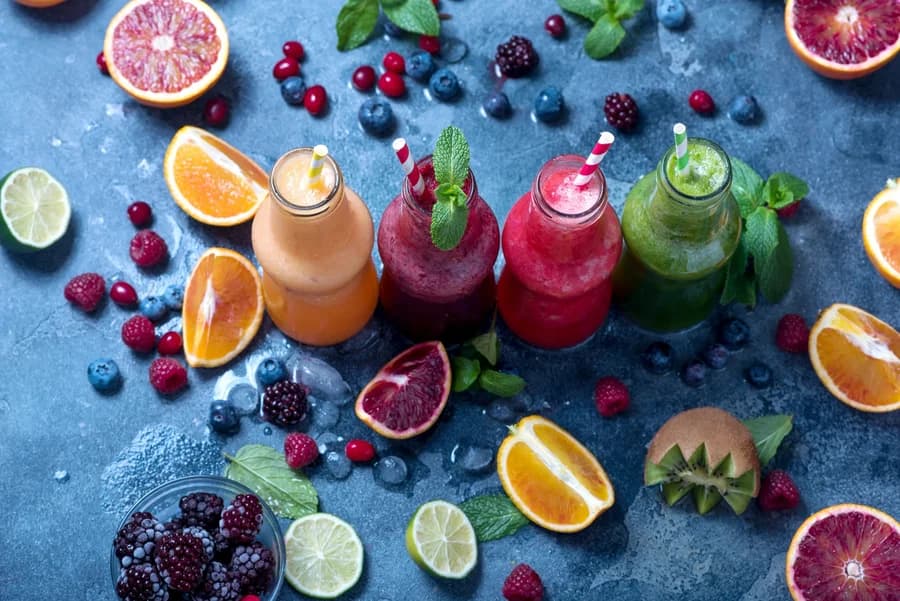
Healthy Juices: Portions, Nutrition and Better Drink Choices
Juice can provide fluid and some vitamins, but it is easier to drink quickly than whole fruit and usually contains less fibre.

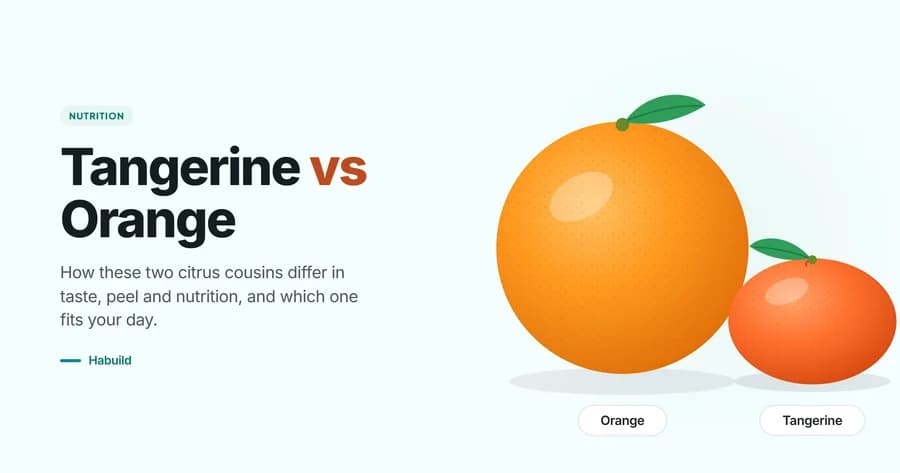
Tangerine vs Orange: Nutrition, Taste and Which to Choose
Tangerines are smaller, sweeter and easier to peel; oranges carry about twice the vitamin C per 100 g. Here is how they compare.

Vitamin C Benefits: Immunity, Skin, Antioxidants & Sources
Vitamin C strengthens immunity, builds collagen for skin and joints, and improves how well you absorb iron from plant foods. See its full benefits and.
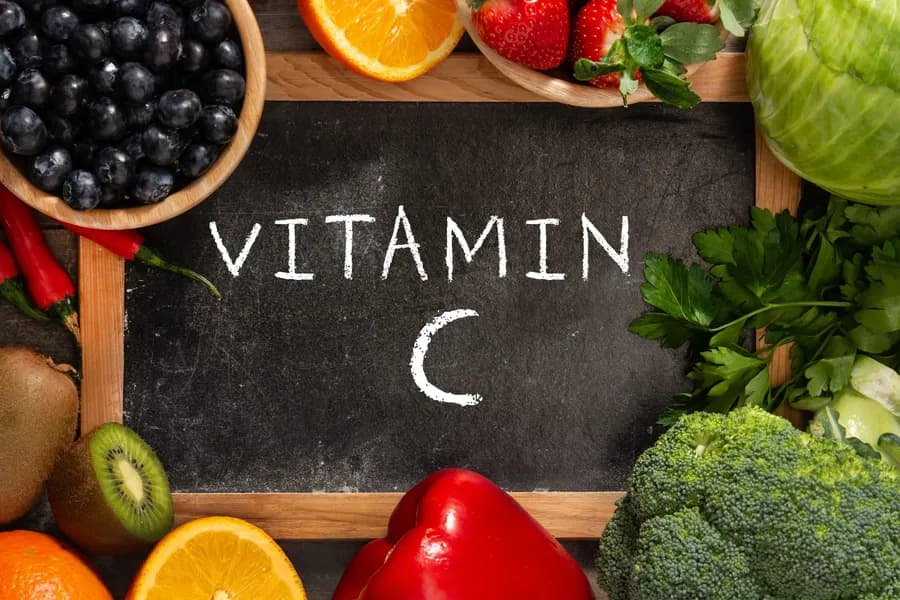
Vitamin C Deficiency: Signs, Causes, Treatment and Food Sources
Vitamin C deficiency can cause bleeding gums, bruising and slow healing. Learn who is at risk, how it is treated and which Indian foods help.