
Vitamin C Deficiency: Signs, Causes, Treatment and Food Sources
Vitamin C deficiency can cause bleeding gums, bruising and slow healing. Learn who is at risk, how it is treated and which Indian foods help.
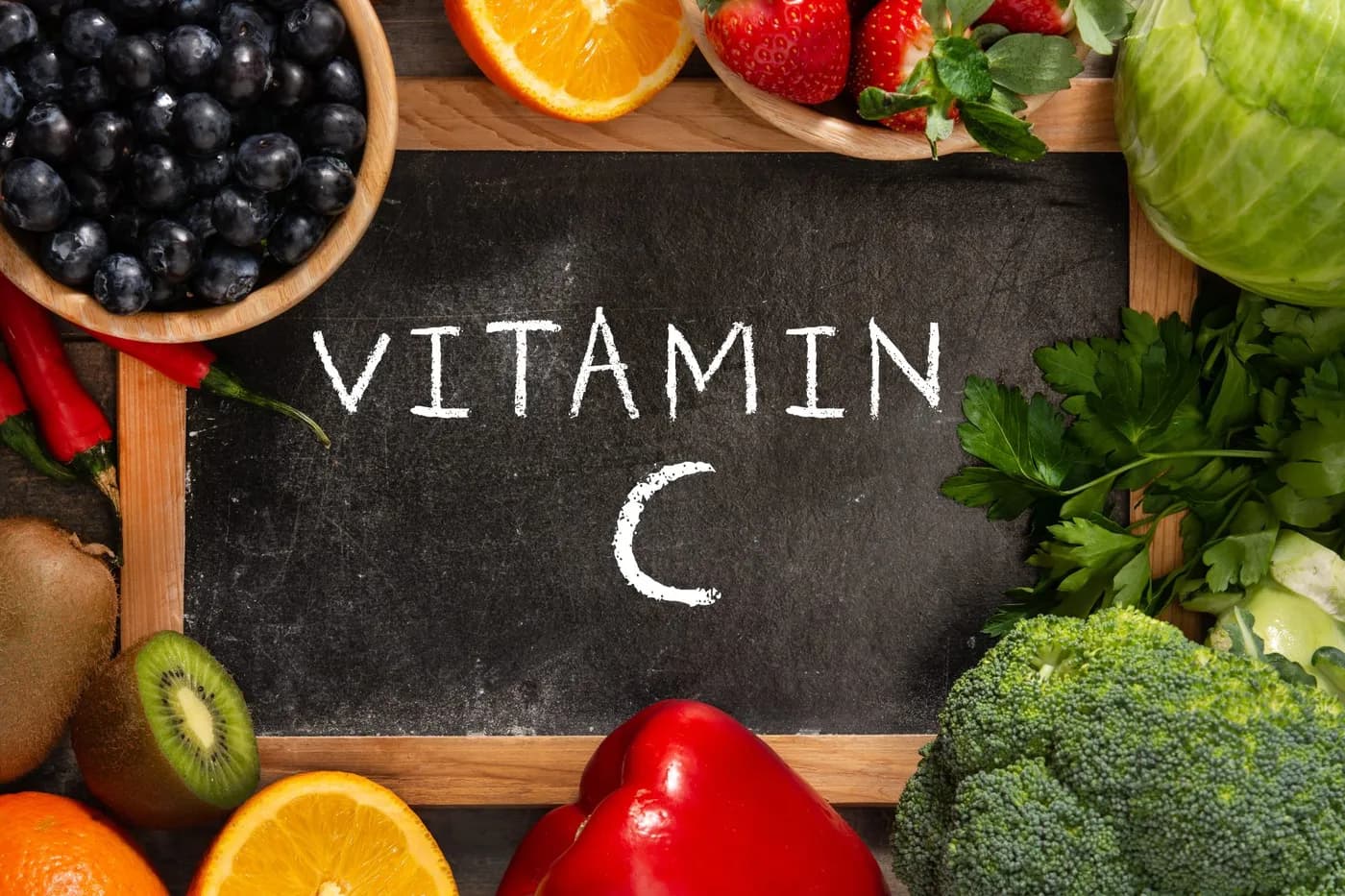
Key Takeaways
- Scurvy signs can appear within about a month of eating under 10 mg of vitamin C daily.
- Bleeding gums, bruising, rough skin and slow wound healing are later signs of deficiency.
- Smokers need 35 mg more vitamin C a day than non-smokers.
- Guava, amla, citrus, papaya, capsicum and tomatoes are easy Indian sources.
- Treat diagnosed deficiency with a clinician; over 1,000 mg a day can upset the stomach.
Vitamin C deficiency develops when intake stays very low for weeks. Severe deficiency causes scurvy, with bleeding gums, easy bruising and slow wound healing. It is uncommon when meals include fruit and vegetables, but very restricted eating, smoking and some health conditions raise the risk. For the vitamin's wider roles, see our guide to vitamin C benefits.
Why the body needs vitamin C
Vitamin C is needed to make collagen, the protein that holds skin, gums, blood vessels and connective tissue together. It also helps wounds heal and improves absorption of iron from plant foods. The body cannot store much of it, so it needs a regular supply from food.
According to the NIH Office of Dietary Supplements, signs of scurvy can appear within about a month of eating less than roughly 10 mg of vitamin C a day.
Signs of vitamin C deficiency
Early signs
- Tiredness and weakness
- Irritability or low mood
- Aching muscles or joints
These are common and non-specific, so they rarely point to vitamin C on their own.
Later signs of scurvy
- Swollen, bleeding gums
- Small red-purple spots around hair follicles and easy bruising
- Rough, dry skin and corkscrew-shaped body hairs
- Wounds that heal slowly
- Joint pain and swelling
Gum bleeding and bruising also have other causes, including dental disease, blood disorders and medicines. Do not diagnose scurvy from a checklist. Seek prompt care for unexplained bleeding, severe weakness or worsening symptoms.
Who is at risk
- People who eat almost no fruit or vegetables for long periods
- People who smoke: the NIH advises smokers need 35 mg more vitamin C a day than non-smokers
- Older adults with a narrow diet or difficulty shopping and cooking
- People with alcohol dependence, eating disorders or conditions that affect absorption
- People on very restrictive diets, including some elimination diets
Infants need appropriate feeding guidance, because unsuitable milk preparations can cause serious nutritional gaps.
Diagnosis and treatment
A clinician considers symptoms, what you usually eat, and other possible causes. A blood test may help, though diagnosis is often based on the overall picture. Tell them how long symptoms have lasted, what a typical week of meals looks like, and about smoking, alcohol, dental pain and supplements.
Treatment usually combines a vitamin C supplement at a dose set by the clinician with a plan to restore regular fruit and vegetable intake. Symptoms often start to improve once treatment begins, but follow-up confirms recovery. Do not self-treat with megadoses: the NHS notes that more than 1,000 mg a day can cause stomach pain, diarrhoea and wind, and high doses may be unsuitable for people with a history of kidney stones or iron overload.
If anaemia is also present, vitamin C does not replace iron treatment. Both problems need addressing.
Indian foods that supply vitamin C
You do not need imported fruit. Useful everyday sources include:
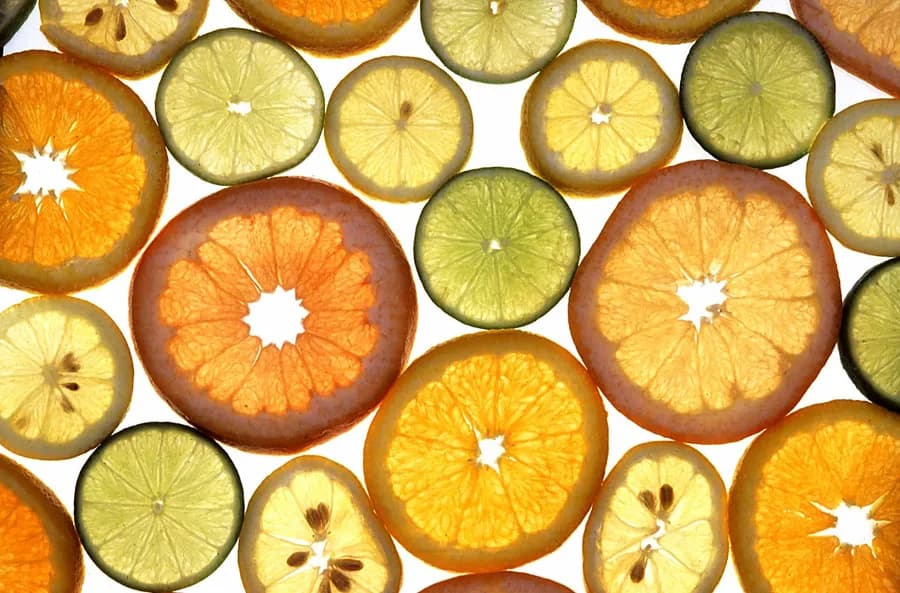
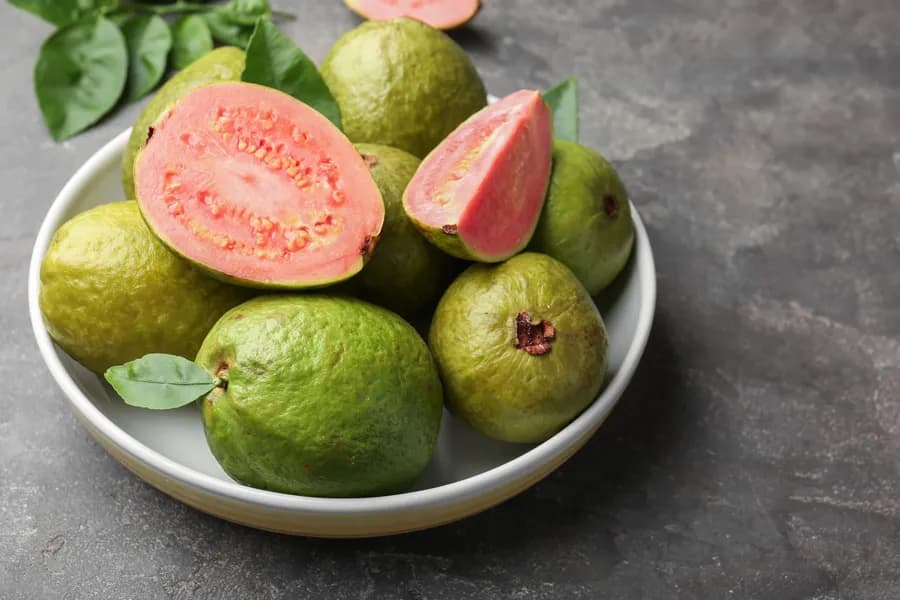
- Guava and amla
- Oranges, mosambi and lemon
- Papaya
- Capsicum, tomatoes, cabbage and green leafy vegetables
- Potatoes, especially with the skin
The NHS sets the adult requirement at 40 mg a day, which a single guava or orange can typically meet. Our list of vitamin C foods gives more options.
Keeping vitamin C in food
Vitamin C is lost with long cooking, large amounts of water and lengthy storage. Short cooking, steaming and adding lemon or tomato at the end help retain more. Frozen vegetables are a useful backup when fresh produce is limited.
Pairing vitamin C foods with plant iron also helps: lemon on dal, guava with chana, or tomato with leafy greens.
Preventing it from coming back
- Keep two or three easy options at home, such as guava, oranges, tomatoes or frozen vegetables.
- Include one fruit or vegetable at most meals.
- If chewing is difficult, soft fruit and cooked vegetables can still contribute.
- Large glasses of sweet juice are not a substitute for whole fruit and balanced meals.
If cost, appetite or access to food is the real barrier, tell a health professional. Solving that problem matters as much as a course of tablets.
Editorial sources
Frequently Asked Questions
Related Articles
Vitamin C Benefits: Immunity, Skin, Antioxidants & Sources
Vitamin C strengthens immunity, builds collagen for skin and joints, and improves how well you absorb iron from plant foods. See its full benefits and.

Vitamin C Foods: Simple Indian Sources and Meal Ideas
Discover vitamin C-rich Indian foods, easy meal ideas, simple cooking tips, deficiency signs and safe supplement guidance to follow.
Amla Benefits: What Indian Gooseberry Does for Your Body
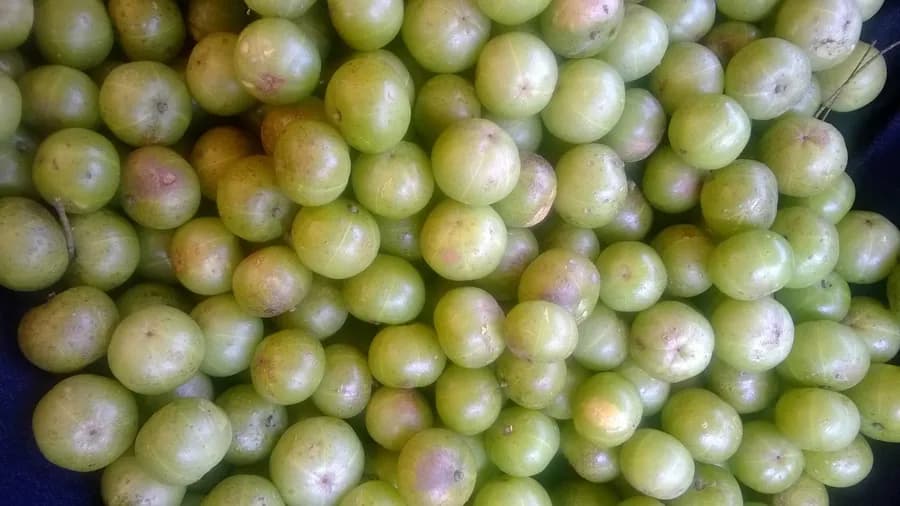
Amla, or Indian gooseberry, is one of the richest natural sources of vitamin C in an Indian kitchen — a single amla can carry more vitamin C than an.

Guava: nutrition, benefits and easy ways to eat it
Guava is an affordable fruit rich in vitamin C and fibre. Learn what research says, whether to eat the peel and simple ways to add it to your day.
Iron Rich Foods: The Complete Vegetarian Food List
Lentils, chickpeas, dark leafy greens, jaggery, and seeds cover the full daily iron requirement for most people — no meat or fish needed. See the.