
Oregano: More Than a Pizza Seasoning
A little oregano can make familiar food taste different. Explore practical cooking ideas without turning a seasoning into a treatment.

Key Takeaways
- Oregano is a seasoning, not a cleanse.
- A pinch adds flavour to beans, tomato and vegetables.
- Fresh and dried oregano are not equal spoonfuls.
- Oregano oil does not replace infection treatment.
Oregano is easy to associate with a pizza sachet, but its warm, slightly peppery flavour works in many ordinary meals. A pinch can brighten beans, tomato dishes or roasted vegetables without much preparation. Its useful role is seasoning food you enjoy. Claims that oregano cleanses the body or replaces treatment for an infection ask much more of the herb than an everyday serving can deliver.
What is in the oregano jar?
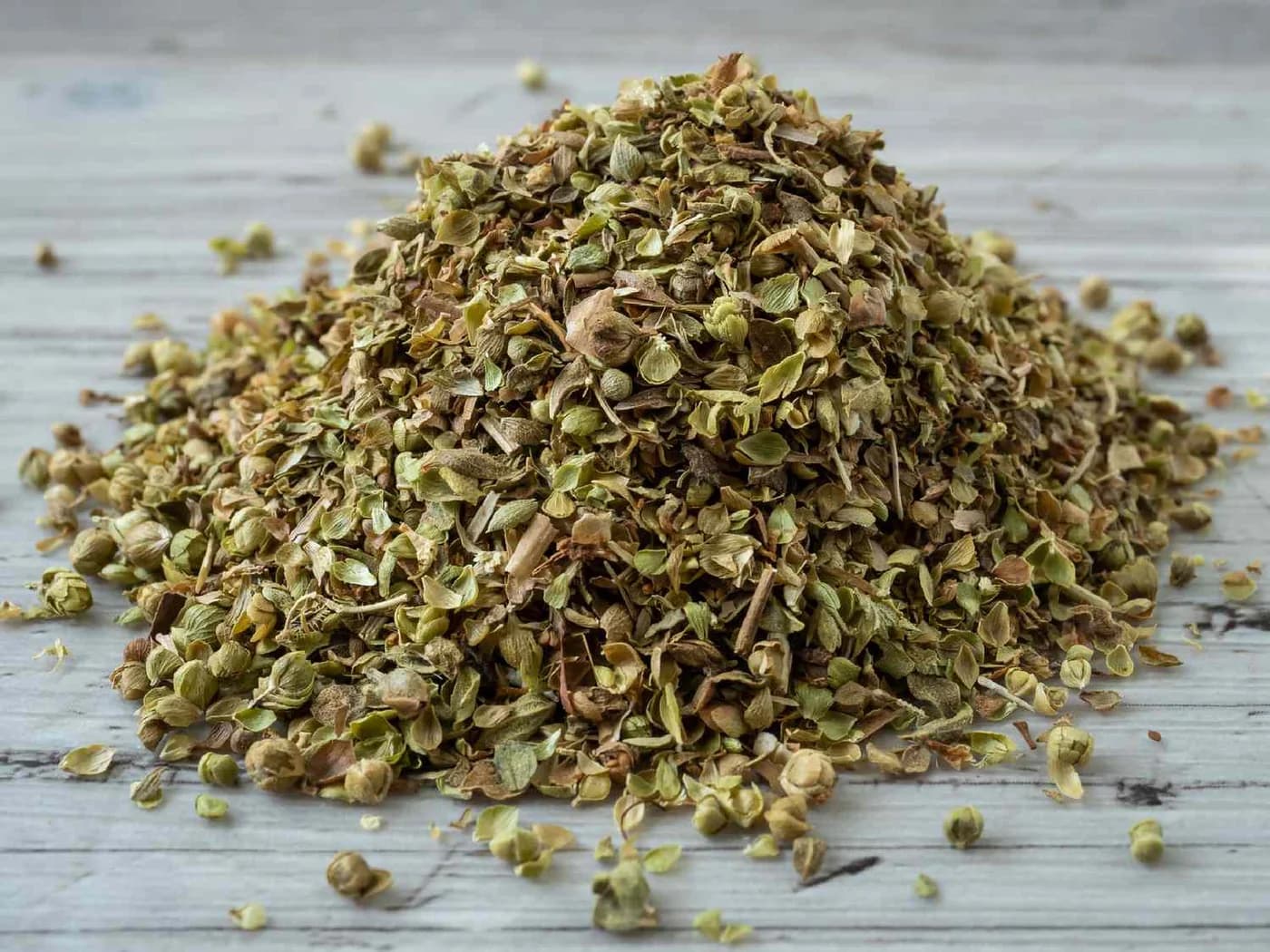
Culinary oregano commonly comes from Origanum vulgare and related varieties. Fresh leaves and dried oregano differ in aroma and intensity, and a dried seasoning blend may contain other herbs, chilli, garlic or salt.
That distinction helps explain why two jars taste different. A plain dried herb is not the same as a ready seasoning mixture, and neither is the same as concentrated oregano oil.
Choose the form that suits the dish. You do not need several varieties or an expensive wellness version to begin. A small jar of a flavour you like can be enough for regular cooking, particularly if you use it beyond an occasional takeaway meal.
The portion explains the nutrition
Oregano contains plant compounds and small amounts of nutrients, but the usual serving is a pinch or a teaspoon spread across food. A nutrition table for 100 g describes far more than most people eat at once.
Think of it as a flavouring alongside substantial ingredients. It does not replace a vegetable portion, the protein in beans or the calcium in curd merely because a large theoretical quantity contains nutrients.
That does not make it unimportant. Seasoning can help you enjoy a simple, affordable meal often enough to keep cooking it. Making vegetables and pulses appealing is a useful contribution without presenting the herb as the main source of nourishment.
Start with tomato and beans
Oregano works well in a tomato-based preparation. Add a little dried herb while a tomato sauce simmers, taste after it has had time to soften, then adjust.
For a simple vegetarian meal, combine cooked beans with tomato, onion and oregano. Serve with a suitable portion of rice, roti or bread and another vegetable if wanted. The beans provide substance; the herb supplies a different flavour from your usual masala.
You can keep the preparation familiar rather than trying to imitate a restaurant dish. Oregano can be one seasoning among several, and it does not need to replace cumin, coriander or other herbs throughout your kitchen.
Give vegetables a different finish
Try a light coating of oil, oregano and pepper on vegetables before roasting or pan cooking. Use enough heat to cook them pleasantly without letting the dried leaves scorch.
Potatoes, carrots, cauliflower and courgette can all work, depending on what you have. Add a squeeze of lemon at the end if you want more brightness rather than simply adding more salt.
There is no special health advantage to the exact combination. Its value is practical: a new flavour can make a repeated vegetable more enjoyable. If the household prefers its usual seasoning, that is equally reasonable. Variety should make eating easier, not turn every dinner into an experiment.
Use a small amount in dips and fillings
A little dried oregano can season a curd dip, a paneer filling or mashed chickpeas for a sandwich. Rub the dried leaves lightly between your fingers before adding them to release some aroma.
Start modestly, especially in a cold dish where the flavour remains prominent. Let the mixture stand briefly if appropriate, then taste again before adding more.
The whole recipe still matters. A dip made mainly of mayonnaise or cream has a different role from one based on plain curd, even when both contain the herb. Likewise, oregano does not turn a large cheese-heavy sandwich into a vegetable meal on its own.
Fresh and dried are not equal spoonfuls
Dried oregano is more concentrated by volume than fresh leaves. Recipes often use a smaller amount of dried herb, but strength varies with freshness and the product.
Fresh leaves can be chopped into a cooked dish or used as a finish when you enjoy their flavour. Dried oregano is convenient in a pantry and can be added earlier to sauces or stews.
Use the recipe as a starting point and taste. There is no required daily amount and no reason to swallow dry spoonfuls for an antioxidant target. The appropriate culinary portion is the one that seasons the food without dominating it.
What about oregano oil and infection claims?
Compounds in oregano have been studied for antimicrobial activity in laboratory settings. That does not establish that eating the herb treats a bacterial infection, a fungal problem or a digestive condition.
Concentrated oils and supplements are different exposures from ordinary cooking amounts. An essential oil sold for a diffuser or skin use should not be added to a drink or swallowed as though it were a pinch of leaves.
Do not replace prescribed treatment with oregano oil. Persistent symptoms need attention to their cause, and irritating the mouth or stomach is not evidence that a product is killing germs effectively. You can keep using a familiar culinary seasoning without buying the concentrated version.
Keep the herb fresh enough to use
Store dried oregano tightly closed, away from heat, light and moisture. A dry spoon helps keep the jar in good condition. If the aroma has faded, a small fresh jar may improve cooking more than repeatedly adding large amounts of old herb.
Wash fresh leaves under running water before use and discard spoiled material. Only use plants grown for food, with an appropriate approach to any garden chemicals.
Choose one dish you already make and try a little oregano there. You may find a useful new flavour, or decide that another herb suits it better. Either way, oregano can stay a simple kitchen choice rather than another daily health obligation.
Editorial sources
Frequently Asked Questions
Related Articles
Sage: Culinary Uses, Possible Benefits and Safety
Sage adds flavour to beans, pumpkin and grains, but teas, extracts and oil are stronger exposures. What research shows and when sage needs caution.

Basil: Fresh Flavour for Everyday Meals
Use basil for fresh flavour in familiar meals, with practical ideas for dips, vegetables and pesto rather than inflated health promises.
Dill: How to Use This Fresh Herb in Everyday Meals
Dill, also sold as suva, shepu or sowa, makes ordinary food taste brighter. Here is how to use this fresh herb in everyday Indian meals.
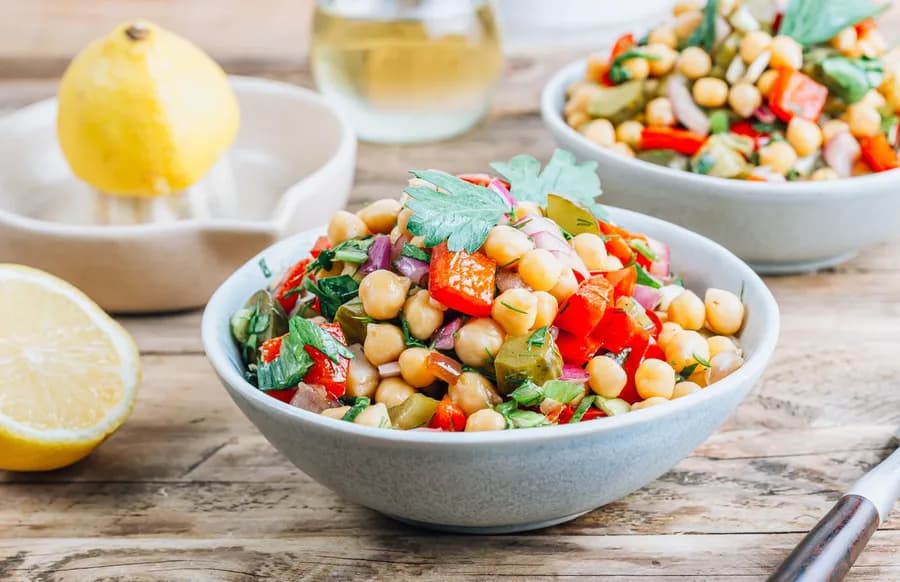
Chickpea herb salad: a protein-rich lunch bowl
A chickpea herb salad adds protein, fibre, and colour to the plate in one simple bowl, easy to prepare for lunch or a quick side. Full recipe below.