
Oxalic Acid in Food: When Oxalates Matter
Oxalate is present in many plant foods. Understand who may need changes and why a stone-prevention plan should preserve calcium and overall nutrition.

Key Takeaways
- Oxalates matter mainly for people prone to kidney stones.
- Do not cut calcium automatically; it can help.
- Fluids and less salt are just as important.
- Targeted swaps beat banning whole food groups.
Spinach, nuts and some other plant foods contain oxalic acid, usually discussed in nutrition as oxalate. Seeing it described as an antinutrient can make ordinary meals sound risky. For most people, however, there is no reason to remove every oxalate-containing food from a varied diet.
Oxalate becomes more relevant for certain people who form calcium oxalate kidney stones or have a condition that increases oxalate absorption. Even then, the answer is usually a targeted plan involving fluids, calcium and overall food choices, rather than a long list of forbidden vegetables.
What is oxalate?
Oxalic acid is a naturally occurring compound in plants. In the body and in foods, it is often present as oxalate salts. The terms are related, but you do not need a chemistry lesson to understand the food question.
Oxalate can bind to minerals, including calcium. Some of that binding happens in the gut, where it can reduce how much oxalate is absorbed. Oxalate that reaches the blood is mainly removed through the kidneys into urine.
The body also produces oxalate, so food is not its only source. This is one reason simply eliminating a few ingredients cannot explain or solve every stone problem.
Why kidney stones enter the discussion
Calcium oxalate is a common type of kidney stone. Stones can form when urine contains conditions that allow crystals to develop and grow. Fluid intake, urine chemistry, salt intake and other factors all contribute.
Eating an oxalate-containing food does not mean you will develop a stone. Nor does every kidney stone contain oxalate. Uric acid stones and other types need different dietary priorities.
If you have had a stone, knowing its type is more useful than adopting a generic kidney diet. Recurrent stones or unusually high urine oxalate may require more specific assessment, including the possibility of an underlying absorption or metabolic problem.
Which foods can contain substantial amounts?
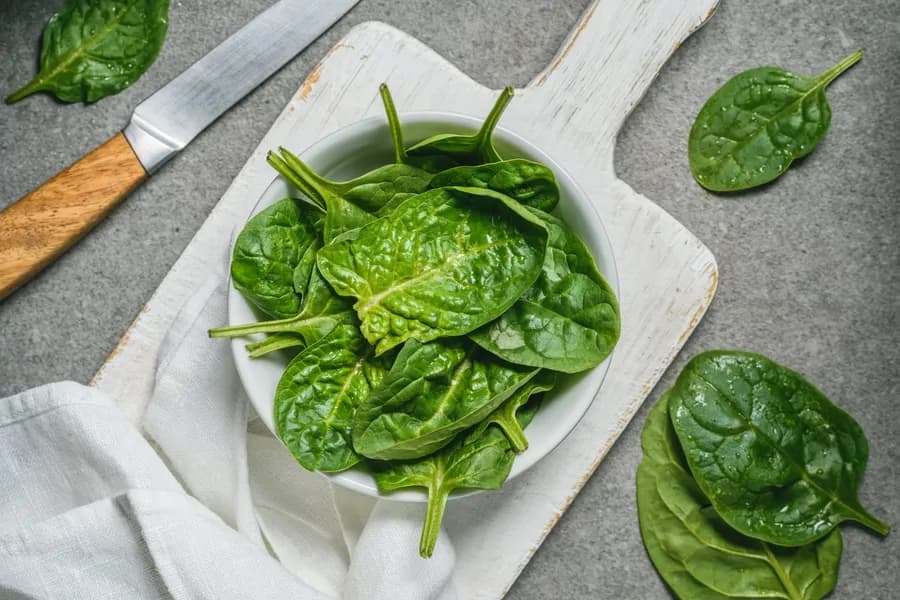
Spinach, rhubarb, some nuts, wheat bran and certain other plant foods can be high in oxalate. The amount varies by variety, growing conditions, processing and preparation. Lists from different sources may therefore give different numbers.
Portion also matters. A large daily spinach smoothie can concentrate several servings in a form that is easy to consume quickly. That is a different pattern from a little spinach in a mixed dish once in a while.
For someone advised to reduce oxalate, focus first on the largest regular sources rather than trying to count every trace. For someone without that indication, the presence of oxalate alone is not a reason to stop enjoying plant foods.
Do not cut calcium automatically
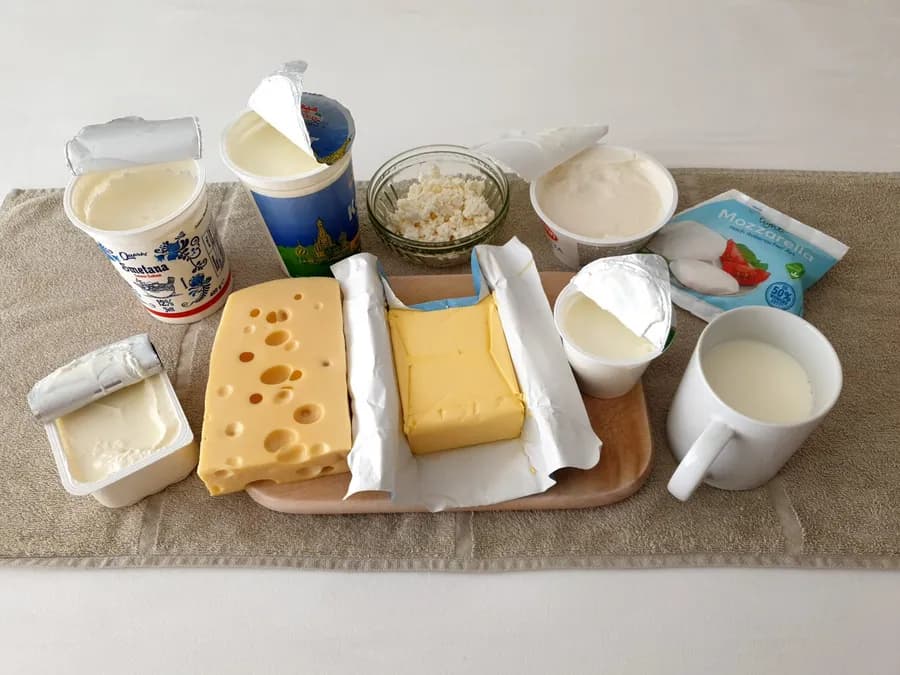
Because the stone contains calcium, it can seem logical to remove milk and curd. That may be counterproductive. Calcium eaten with food can bind oxalate in the intestine, reducing the amount available for absorption.
Most stone-prevention plans therefore preserve an appropriate calcium intake from food rather than restricting it without a reason. A calcium-containing food alongside a meal can be useful when it fits your plan.
This does not mean taking extra calcium tablets on your own. Supplements have different considerations, including timing and total dose. The aim is enough calcium in the diet, not the largest possible amount.
Fluids and salt deserve equal attention
Drinking enough fluid helps keep urine less concentrated. For someone with a stone history, a clinician may set a fluid or urine-output goal suited to their circumstances, climate and activity.
Do not assume a generic instruction to drink more applies unchanged if you have heart failure, advanced kidney disease or a prescribed fluid restriction. The appropriate amount must fit that condition.
High sodium intake can increase urinary calcium, so reducing frequent very salty foods is another useful step. Pickles in large amounts, salty packaged snacks and heavily salted meals can matter more than obsessing over a small portion of a vegetable.
Does cooking reduce oxalate?
Boiling some vegetables and discarding the cooking water can reduce their soluble oxalate content. The amount removed varies, and the food does not become oxalate-free. Steaming or using all the liquid in a soup may have a different result.
This can be a useful preparation choice for someone following a stone-specific plan. It is not a requirement that everyone boil all vegetables or discard every cooking liquid.
If you are reducing a high-oxalate ingredient, replacing it with another vegetable you enjoy is often simpler than trying to extract as much as possible from the original. Variety makes the meal more flexible and easier to repeat.
Keep a vegetarian diet varied
A low-oxalate plan should not remove so many foods that meals become nutritionally thin. Protein, fibre and calcium still matter. The appropriate substitutions depend on what you were eating and how much reduction is actually needed.
Practical changes might include rotating spinach with other suitable vegetables, avoiding a daily large nut-and-spinach smoothie, and keeping a calcium food with meals. You do not have to replace the whole day’s menu because one ingredient is high in oxalate.
Be careful with high-dose vitamin C
Some vitamin C is metabolised to oxalate. High-dose supplements may therefore be unsuitable for people prone to calcium oxalate stones, particularly when there is no clear need for them.
That does not mean avoiding ordinary fruit containing vitamin C. A vitamin tablet providing a large dose is a different exposure from an orange or a serving of guava.
Likewise, social-media claims about oxalate dumping or detox symptoms are not a useful basis for managing new pain or illness. A restrictive diet should not become an explanation for every symptom without proper assessment.
A food compound is not an ingredient to add
Concentrated oxalic acid used in cleaning or industrial products is hazardous and is not something to consume. Advice about naturally occurring oxalate in food does not apply to those chemicals.
For everyday eating, the useful question is whether you have a specific reason to change oxalate intake. If not, keep vegetables and other plant foods varied. If you do, make the largest relevant changes while protecting calcium intake, hydration and the quality of the whole diet.
Editorial sources
Frequently Asked Questions
Related Articles
Spinach Benefits: Nutrition and Simple Meal Ideas
Spinach provides folate, vitamin K and carotenoids. Learn its benefits, cooking tips, iron facts and cautions for warfarin or kidney stones.
Calcium Rich Foods: A Complete Dairy and Non-Dairy List
Milk and dairy lead the calcium list, but sesame seeds, ragi, leafy greens, and tofu are all high sources too. See the complete dairy and non-dairy list.


Yoga Poses for Kidney Stones (Kidney Health Asanas): Steps, Benefits & Precautions
Pawanmuktasana, Uttanasana, and Setu Bandhasana increase circulation to the renal region and gently massage the abdominal and lumbar organs. See the poses.

Foods to Limit in Kidney Disease: There’s No One Size Fits All
There is no single list of foods that are bad for kidneys. What you should limit depends on your kidney function, test results and other conditions.