
Papain: What It Is and Whether You Need It
Papain comes from papaya, but a concentrated enzyme supplement is not the same as a slice of fruit. Here is what it does and whether you need it.
Key Takeaways
- Papain is an enzyme from unripe papaya latex that breaks down protein.
- Evidence for papain supplements easing bloating is limited.
- People with latex or papaya allergy should avoid it.
- Persistent digestive symptoms need a doctor, not a self-chosen enzyme.
You may have seen papain on the label of a digestive supplement, promising to ease bloating or help you absorb protein. It sounds natural and harmless, since it comes from papaya. But a concentrated enzyme is not the same as a slice of fruit. Here’s what’s worth knowing.
Where it comes from
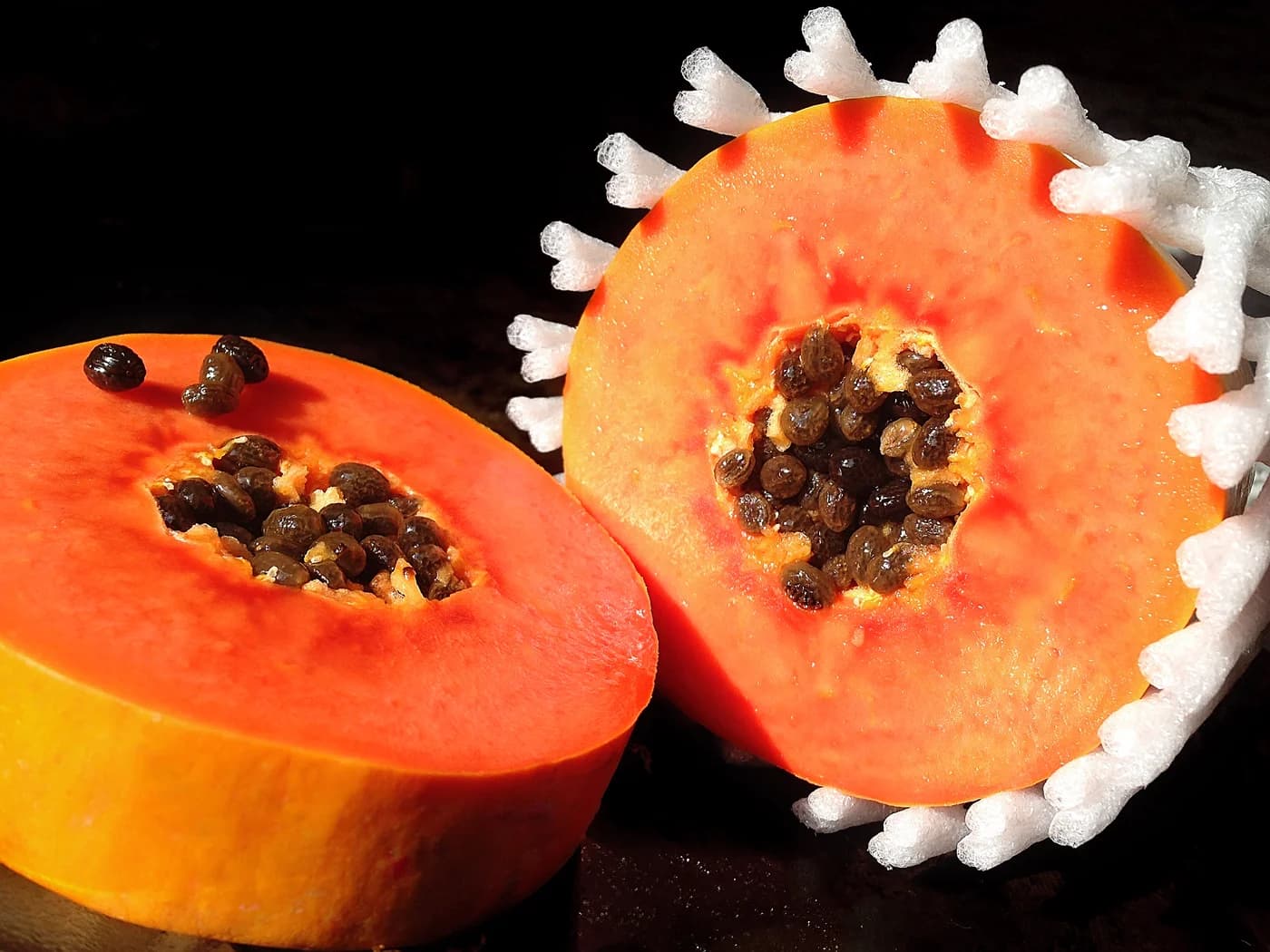
Papain is an enzyme taken mainly from the milky latex of unripe papaya. It breaks proteins into smaller pieces, which is why food makers use it in some products.
A ripe, orange papaya is a different thing altogether. Eating a serving won’t give you a predictable dose of extracted enzyme. Some supplements also blend papain with other enzymes or herbs, so always check which product a claim is actually about. A fruit, a purified ingredient and a supplement shouldn’t be treated as equivalent.
What the label promises
Supplement makers often claim papain reduces bloating or helps your body absorb protein. But your body already makes its own digestive enzymes. Studies on papain tablets are small, and many products contain several enzymes, so it’s hard to know what’s doing what.
Bloating has many causes, including eating habits, constipation and medical conditions. Enzyme amounts printed on a label aren’t proof of a real benefit. If you want to understand the basics of staying well first, our article on how to detox your body naturally explains what really supports your body.
When not to self-treat
Please don’t use a supplement to cover up pain that keeps coming back, repeated vomiting, trouble swallowing or unexplained weight loss. These need a medical check. Papain also shouldn’t replace assessment for ongoing indigestion or pancreas problems.
A doctor will ask when your symptoms appear, how often and whether your bowel habits have changed. That points you toward a useful next step far better than buying several digestive aids.
Watch for allergy
Papaya latex and concentrated papain can cause allergic reactions. If you’re allergic to papaya or latex, be extra careful, and know that people allergic to kiwi or fig can sometimes react too. Talk to an allergy specialist about exposure.
After using a product, watch for itching, hives, swelling or trouble breathing. Breathing difficulty or a swelling throat is an emergency, so get urgent help. Concentrated products can also irritate your mouth, stomach or skin. If a supplement caused a reaction, keep the packet to show your doctor. You don’t need to test it again at home to confirm.
Not for wounds
Researchers have studied enzymes for cleaning damaged tissue, but that’s a specialised medical treatment. Raw papaya latex from your kitchen isn’t sterile or measured, and putting it on broken skin can cause irritation.
Clean and dress small cuts the usual way. Get medical care if a wound shows spreading redness, warmth, pus or fever. If you have diabetes or poor circulation, don’t wait on foot wounds. A digestive supplement’s marketing says nothing about its safety on skin.
Interactions and special situations
Concentrated papain might increase the chance of bleeding for people on blood thinners, though the evidence is limited. Talk to a doctor before using it ahead of surgery, during pregnancy or breastfeeding, or alongside regular medicines.
“Natural” doesn’t mean an enzyme can’t interact with treatment. Stop a product if it causes any reaction, and tell your doctor about every supplement you take, since it can offer a useful clue.
Checking a supplement label
Look at the dose, the other ingredients, the manufacturer and the allergen details. Products sold online can differ in strength and quality. If a label doesn’t say clearly what’s inside, skip it.
If you use papain-based food products in the kitchen, follow the pack instructions, avoid breathing in the powder and wash your hands afterwards. Too much can also ruin the texture of food, so a little goes a long way.
What an enzyme can and can’t do
When people see “enzyme”, they often assume more must be better. But enzymes work under certain conditions, and a capsule may not reach the right place in the right amount. The real problem might have nothing to do with protein breakdown at all.
Taking several digestive aids at once doesn’t solve that. Tracking your symptoms and seeing a doctor does. For wider ideas on supporting your gut through food, browse our Habitology health guides.
Keep it simple
If you enjoy ripe papaya, eat it as fruit in a balanced diet. If you use a food-grade product in cooking, follow its directions. And if you want relief from recurring digestive symptoms, find the cause with a professional instead of guessing at an enzyme shortage. These are three different goals, and keeping them apart protects you from paying for claims that haven’t been proven.
A simple habit to try
Enjoy ripe papaya as fruit if you like it. If you have ongoing digestive symptoms, write them down and talk to a doctor before trying a papain supplement.
Editorial sources
Frequently Asked Questions
Related Articles
Papaya Benefits: Nutrition and Simple Serving Ideas
Learn papaya nutrition, realistic benefits, serving ideas, digestion facts and safety tips in clear and simple language.


Papaya Leaves: Benefits, Dengue Evidence and Safety
Papaya leaf extract may raise platelet counts in dengue, but the evidence is weak. Learn what studies show, product risks and warning signs.

Bloating: Common Food Triggers, Simple Fixes and When to Get Help
Find the likely cause of your bloating, from eating fast to constipation or lactose, try one change at a time and know when to see a doctor.