
Pea Protein Benefits: Uses and Supplement Safety
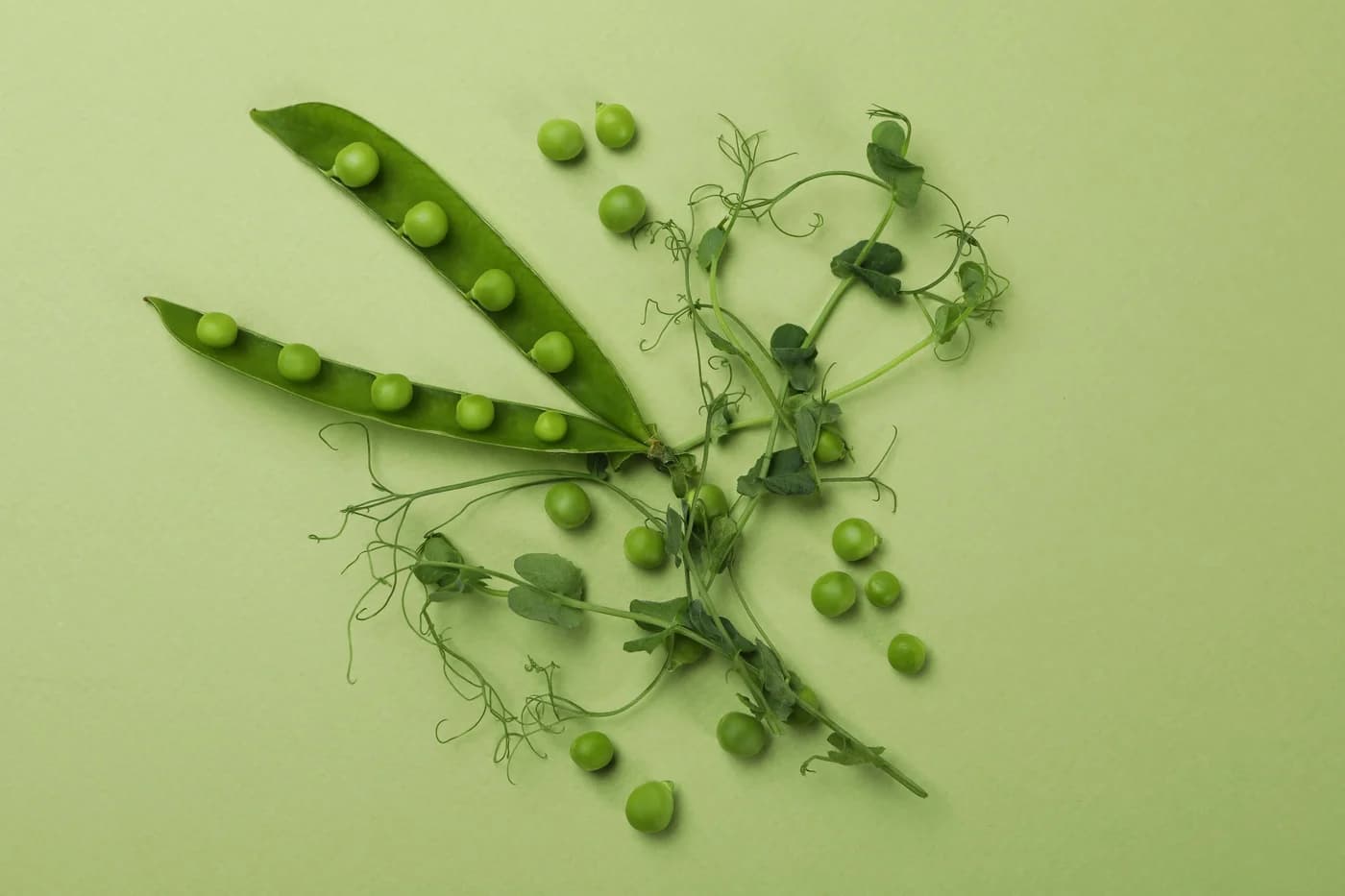
Pea protein is usually made from yellow peas and concentrated into a powder.

Key Takeaways
- Pea protein is a concentrated plant protein usually made from yellow peas.
- It can help meet protein needs, but total diet, training and energy balance decide the outcome.
- Products vary in protein, sodium, flavourings, sweeteners and third-party quality testing.
- People with pea allergy, kidney disease or complex medical needs should seek individual advice.
Pea protein is usually made from yellow peas and concentrated into a powder. It can help meet protein needs, particularly when food access, appetite or convenience makes this difficult. This guide looks at pea protein benefits, sensible use and supplement safety without exaggerated promises.
When pea protein is genuinely useful
Total daily protein, energy intake and resistance training matter more than one powder for muscle gain. A powder earns its place when there is a real gap: a vegetarian or vegan diet that falls short on protein, a small appetite in older age or during recovery, or a busy routine where a quick shake replaces a biscuit rather than a meal. Many Indian vegetarian diets lean heavily on rice and roti, and a concentrated source can help in those situations, although dal, paneer, curd, soy and sprouts can often do the same job.
Protein quality in plain language
Pea protein supplies all nine essential amino acids, although it is relatively lower in methionine than some other proteins. That does not make it incomplete or useless. A varied diet containing grains, pulses, nuts, seeds or other proteins can cover amino-acid needs across the day. Pea protein benefits are most relevant when a convenient concentrated source helps close a real protein gap.
Muscle gain still requires progressive resistance training, enough total protein and adequate energy. A powder cannot create muscle without those conditions. Studies comparing protein supplements often use structured exercise programmes, so results should not be interpreted as an effect of the powder alone.
Choose the product for its actual job
- Blend an unsweetened serving into oats or a smoothie.
- Use the label serving rather than heaped scoops.
- Choose a tested product with a short ingredient list.
- Continue eating varied pulses, grains, nuts and seeds.
Check protein per serving, serving size, sodium, added sugar, sweeteners and the complete ingredient list. A simple unflavoured powder may be easier to add to oats, soup or a smoothie, while a flavoured product may be more convenient after exercise. Pea protein does not need proprietary "fat-burning" blends, herbs or megadoses.
Portion and timing without rigid rules
The useful amount depends on body size, age, diet, training and health. Count the protein already obtained from meals before adding a scoop. Timing matters less than meeting needs across the day, though a convenient serving near training can help when a meal is not practical. More powder is not automatically absorbed or used better.
Important limits to remember
Possible effects include bloating, gas and allergy. Products may contain sodium, sweeteners or contaminants. Kidney disease and medically prescribed protein limits require professional guidance.
Pea allergy can cause serious reactions, and people allergic to peanuts or other legumes should not assume pea protein is safe without guidance. Some products cause gas or bloating. Kidney disease may require an individual protein plan. Athletes should consider independently tested products because supplement contamination can create sport-testing risks.
How it compares with whole peas and other proteins
Whole peas provide more fibre and a broader food matrix, while isolate provides more protein in less volume. Neither is universally better. Whole foods are ideal for most meals; concentrated powder is useful when appetite, convenience or higher needs make food alone difficult.
Texture and taste can be managed
Pea protein can taste earthy and may thicken drinks. Start with a partial serving, blend it with fruit or cocoa if appropriate, or stir it into a savoury dish such as a besan chilla batter or soup. Heating generally does not destroy the protein, although it can change texture.
Protein still works best as part of food
A varied day might include dal at lunch, curd or tofu at another meal and a small shake only when convenient. This spreads protein and leaves room for fibre-rich foods. A powder that is difficult to afford or digest is not essential, because ordinary foods can often meet the same goal.
Using a shake without losing meal quality
A protein shake can be a snack, a recovery drink or part of a meal, but those are different jobs. Powder mixed only with water provides protein with little fibre or chewing. If it replaces breakfast, add suitable carbohydrate, fruit and fat so the drink is more complete. If it follows a full meal, an extra large shake may simply add protein and energy that are not needed. People aiming for fat loss should include the shake in the overall plan rather than treating it as free food.
Tolerance also matters: gums, sugar alcohols and intense sweeteners can cause symptoms that are wrongly blamed on peas, and an unflavoured product with fewer ingredients can help identify the cause. Use a dry scoop, close the pack tightly and do not drink a mixture that has remained warm for hours.
The conclusion is about need, not hype
Pea protein benefits are practical rather than magical: convenience, plant-based protein and flexibility. It does not detox the body, directly burn fat or outperform a well-planned diet by default. Choose a product with transparent labelling and a portion that fills a specific gap, and stop or switch if taste, cost or digestive symptoms make it a poor fit.
A dietitian can help during recovery, older age, pregnancy, intensive training or a medically restricted diet when protein planning is less straightforward. If ordinary meals already meet your needs, a powder is optional.
Editorial sources
Frequently Asked Questions
Related Articles
Whey vs Plant Protein: Which One Should You Choose
Whey and plant protein aren’t about which is ‘better’ overall — it’s about which fits your digestion, diet, and goals. See how they compare on absorption.


Vegetarian protein: needs, myths and meal planning
Vegetarian meals can provide enough protein. Learn practical needs, simple Indian food sources, common myths and an easy meal-planning method.
High-Fibre Foods: Simple Indian Meal Ideas
Find high-fibre Indian foods, easy meal ideas, gradual intake tips and practical advice for constipation and daily health.