
Peanut Butter Benefits: Nutrition, Portions and Easy Meal Ideas
Peanut butter adds protein and mostly unsaturated fat to quick meals. How much to use, how to pick a jar and simple Indian-friendly pairings.
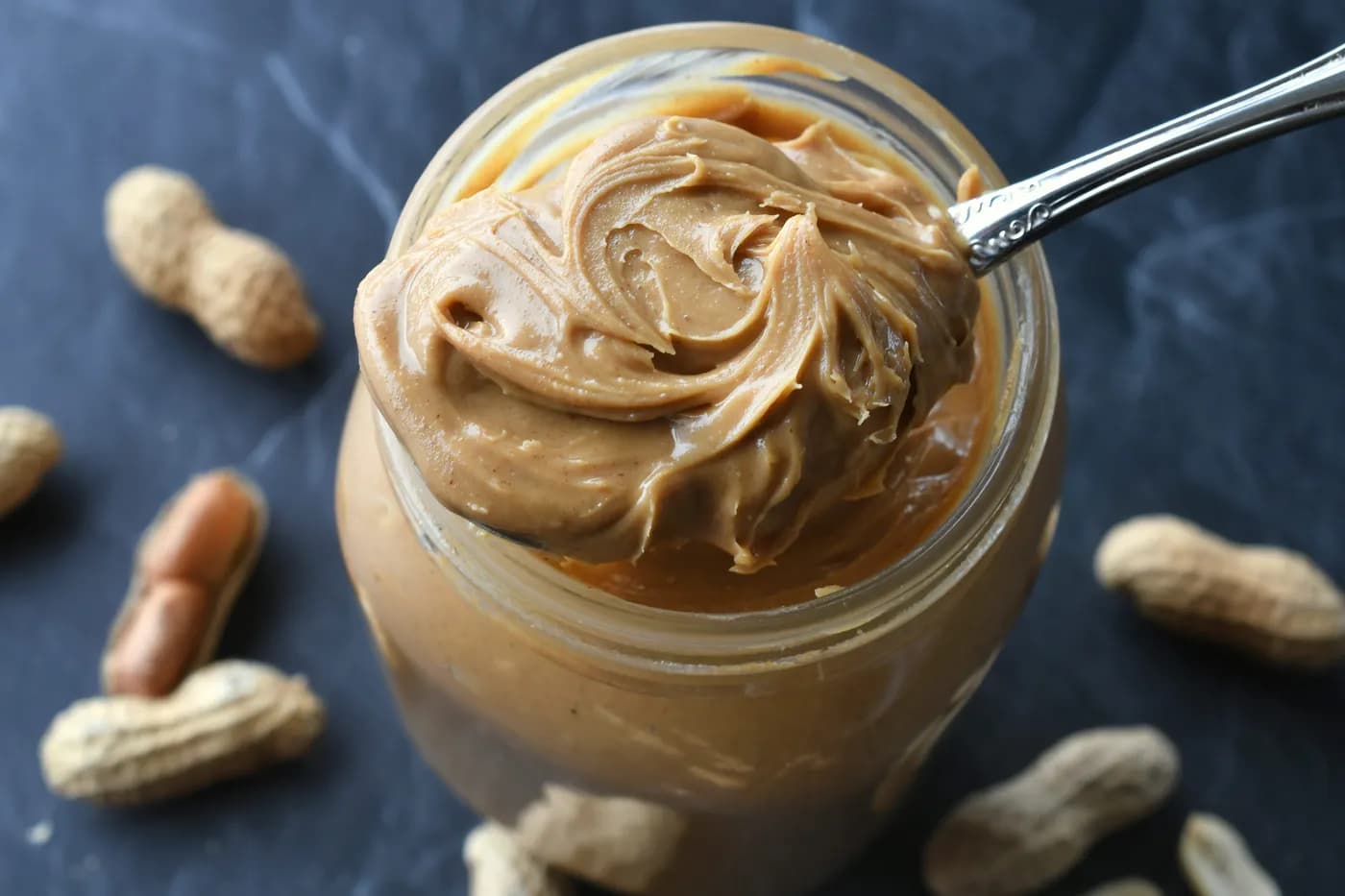
Key Takeaways
- Peanut butter supplies protein, mostly unsaturated fat, vitamin E and magnesium.
- One tablespoon flavours toast or oats; two is a generous serving.
- It suits heart-friendly eating when it replaces butter or sugary spreads.
- Pick jars with peanuts first and little added sugar, salt or other oils.
- Serve it thinly spread for young children; take peanut allergy seriously.
Peanut butter is a tasty, convenient way to add energy, protein and mostly unsaturated fat to a meal, especially when you need a quick breakfast or snack. Because it is concentrated, a little goes a long way. This guide focuses on the spread itself: portions, how to choose a jar and easy ways to use it. For whole peanuts, see our guide to peanut nutrition.
What does peanut butter provide?
Peanuts are botanically legumes but are eaten much like nuts. Grinding them into a spread keeps most of their fat and protein, along with fibre, niacin, vitamin E and magnesium. Exact amounts vary by brand and serving, and you can compare products in USDA FoodData Central. Peanut butter is more energy dense than fruit or curd, which is helpful when you need to eat more and easy to overlook when you are trying to eat less.
Most of its fat is unsaturated. The American Heart Association notes that nut butters generally offer the same protein and healthy fats as the nuts they are made from, and that people who regularly eat nuts or nut butters have a lower risk of heart disease. The benefit comes from the overall pattern and from replacing butter or sugary spreads, not from peanut butter "clearing arteries." Some jars add a lot of salt, sugar or other fats, which changes the comparison.
A thin smear contributes protein but is not a complete protein-rich meal. Toast with a measured spread plus milk or curd and fruit is more substantial than toast and spread alone. Across the day, vegetarians can also draw protein from dal, chana, soy, paneer and other foods. Our guide to nuts and nut nutrition compares peanuts with tree nuts.
What is a comfortable portion?
One tablespoon is a useful starting amount for toast or oats. Two tablespoons make a generous serving and are the serving size printed on many labels. You do not have to eat the label amount:
- If you need extra energy, you might use more as part of a planned snack.
- If you are working on fat loss, one tablespoon may add enough flavour. See our fat loss diet plan for how to balance the rest of the plate.
- Scoop it onto food or into a bowl rather than eating from the jar, so the amount is easy to see.
If peanut butter replaces butter on toast, the swap is straightforward. If it goes into a smoothie that already has milk, banana and oats, the drink becomes a fuller meal rather than a free extra. A spoonful whisked into a sauce can serve two or three people.
Easy ways to use it
- Spread on whole-wheat toast and top with banana slices.
- Stir a spoon into porridge with chopped fruit.
- Blend a small amount into a breakfast smoothie for busy mornings.
- Whisk with warm water, lime, ginger and chilli to coat tofu and vegetables.
- Pair apple slices or cucumber and carrot sticks with a modest spoonful as a dip.
- Add creaminess to vegetable noodles, or make a quick peanut chutney for idli or dosa, keeping an eye on the oil and salt in the full recipe.
These combinations add fruit, vegetables or protein instead of making peanut butter the whole meal. If you prefer crunch, roasted peanuts give a similar flavour in a different texture.
How to choose and store a jar
A spread made mostly of peanuts is an easy choice. Check the first few ingredients and compare added sugar, salt and oils. A little added salt or sugar does not make a jar worthless, but a dessert-style spread is a different food in practice. Oil rising to the top of a natural spread is normal; stir it back in.
Reduced-fat versions are not automatically better, because removing fat may mean adding other ingredients. Powdered peanut butter with much of the fat removed works in recipes but has a different texture and nutrient mix. You do not need an expensive imported or "fitness" brand.
Follow the storage directions after opening, always use a clean spoon, and discard a jar with an unusual smell, mould or other signs of spoilage.
Children and peanut allergy
The NHS advises giving babies and young children peanut butter only as a thin spread or stirred into cooking, such as porridge or a curry, and never on its own. Whole nuts should not be given to children under five. If a baby has severe eczema or another food allergy, ask your doctor before introducing peanuts.
Peanut allergy can cause hives, swelling, vomiting, wheezing or faintness. Anyone with an allergy action plan and emergency medicine should follow it immediately and seek urgent help for a severe reaction. Families managing a known allergy also need to avoid cross-contact through shared spoons, knives and jars. This is a specific safety issue, not a reason for everyone else to avoid peanuts.
Editorial sources
Frequently Asked Questions
Related Articles
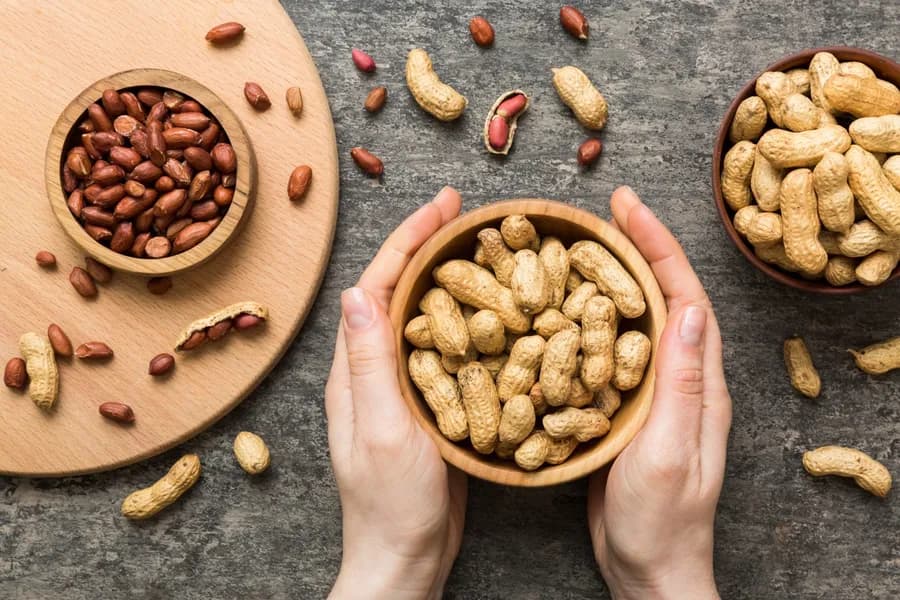
Peanut Nutrition: Protein, Portions and Allergy Safety
Learn peanut nutrition, protein content, healthy fats, portions, snack ideas, storage tips and essential peanut allergy safety.

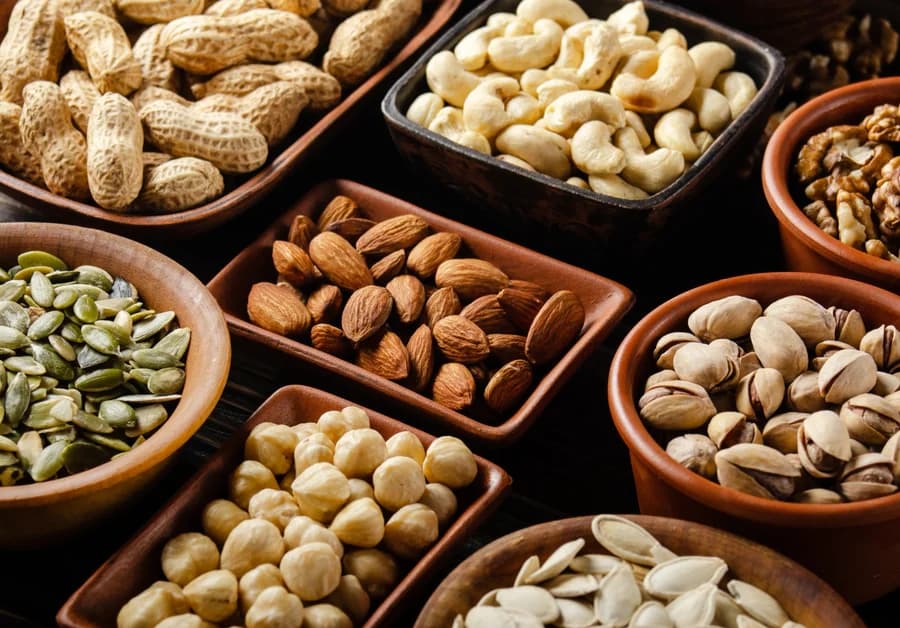
Nuts Nutrition: Types, Portions and Everyday Uses
Nuts share healthy fats, protein and fibre, but each type has its own strengths. Here is how to choose forms and portions that suit you.
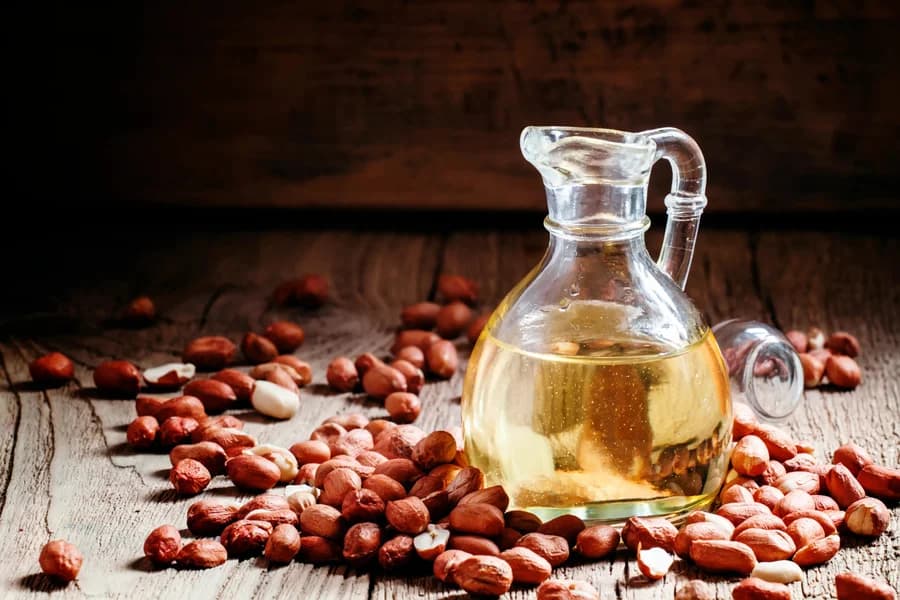
Peanut Oil (Groundnut Oil): Benefits, Cooking Uses and Safety
Peanut (groundnut) oil is mostly unsaturated fat. Learn refined vs cold-pressed uses, sensible amounts, frying tips and what peanut allergy means for you.
Fat Loss Diet Plan: A Simple, Sustainable Guide to Eating Well
A good fat loss diet plan isn’t about eating less of everything — it’s about eating the right things consistently. See a simple, no-gimmicks breakdown of.