
Peanut Oil (Groundnut Oil): Benefits, Cooking Uses and Safety
Peanut (groundnut) oil is mostly unsaturated fat. Learn refined vs cold-pressed uses, sensible amounts, frying tips and what peanut allergy means for you.
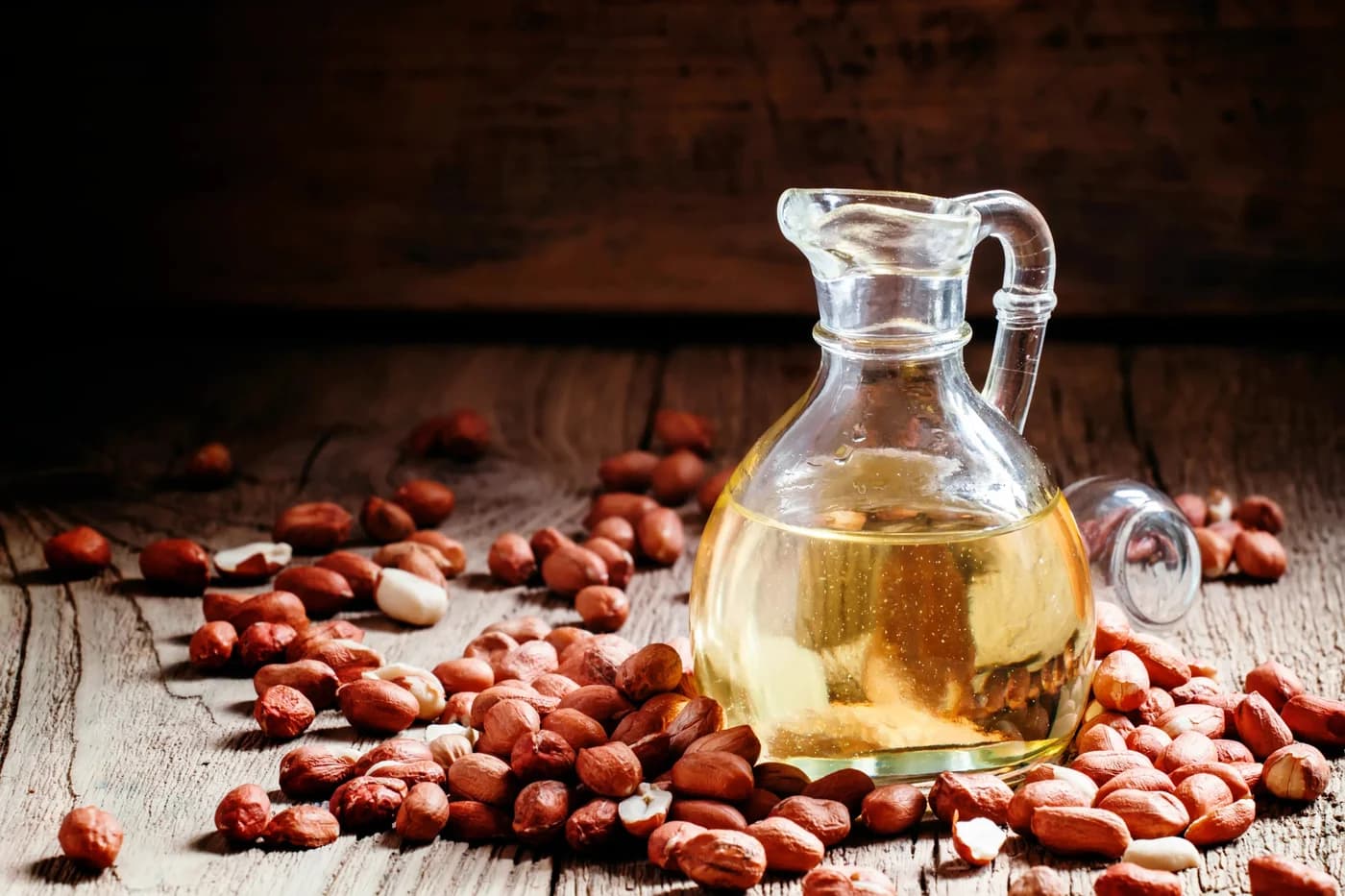
Key Takeaways
- Peanut oil is mostly unsaturated fat but has the same calories as any oil.
- Heart benefit comes from replacing butter, ghee or vanaspati, not adding more.
- Refined oil suits higher heat; cold-pressed oil is for flavour and low heat.
- Cold-pressed peanut oil may retain allergenic protein; follow allergist advice.
- Do not keep reusing dark, foamy or strong-smelling frying oil.
Peanut oil, also called groundnut oil, is a neutral-tasting cooking fat used in many Indian and Asian kitchens. It is naturally rich in unsaturated fats and can be a useful alternative to butter, ghee or other fats higher in saturated fat. That does not make it a medicine or a food to use without limits. The practical questions are which type you buy, how you cook with it, how much you use and whether peanut allergy is a concern.
What peanut oil contains
Like every pure cooking oil, peanut oil is almost entirely fat and provides about the same energy per spoon as other oils, roughly 120 calories per tablespoon. Most of its fat is monounsaturated and polyunsaturated, with a smaller share of saturated fat. It contains some vitamin E, though the amount varies with processing and storage.
It does not provide the protein, fibre or minerals found in whole peanuts, because those stay in the solid part of the nut. Eating peanuts and cooking with peanut oil are not interchangeable; see our guide to peanut nutrition for the whole nut.
Where the heart-health benefit comes from
Peanut oil is often called "heart healthy", but the benefit depends on substitution. Replacing some butter, ghee, vanaspati or another fat high in saturated or trans fat with a liquid plant oil can improve the overall fat profile of a meal. Simply adding peanut oil to the diet does not lower cholesterol, and larger amounts can quietly raise total energy intake.
The American Heart Association lists peanut oil among cooking oils with more unsaturated and less saturated fat. That is a property of the oil, not proof that one brand or recipe prevents heart disease. Blood pressure, tobacco use, activity, sleep, fibre intake and prescribed treatment still matter. For a broader comparison, read good fats vs bad fats and ghee vs refined oil.
Refined and cold-pressed peanut oil
Refined peanut oil is filtered and processed to remove flavour, odour and many impurities. It has a neutral taste and tends to be more heat-stable, so it is usually the practical choice for higher-temperature cooking. Check the label for the intended use rather than relying on one universal smoke-point number.
Cold-pressed (kachi ghani) or unrefined peanut oil keeps a stronger roasted, nutty flavour. It suits chutneys, dressings, marinades and lower-heat cooking. It is not automatically more nutritious, and it may contain more residual peanut protein than highly refined oil.
How to use it without overdoing it
Peanut oil works for sautéing vegetables, tempering dal, stir-fries and dishes that suit its flavour. Measure the oil with a teaspoon or tablespoon before adding it to the pan; this is more reliable than pouring from the bottle and keeps rich dishes from becoming unnecessarily oily. You do not need to rotate oils on a rigid schedule or buy an expensive version for detox, weight-loss or immunity claims.
Freshness and repeated frying
- Store the bottle tightly closed, away from heat and light, and buy a size that matches how often you cook.
- Fresh oil should smell mild and clean, not stale, bitter or paint-like.
- For deep frying, use fresh refined oil and do not heat it until it smokes.
- Do not keep topping up oil that is already dark, thick, foamy or strong-smelling; crumbs, moisture and high heat speed up breakdown.
- Cool used oil and dispose of it according to local guidance rather than pouring it down the sink.
Frying still raises the energy density of food even when the oil is mostly unsaturated, so keep it occasional.
Peanut allergy needs a clear plan
Peanut allergy can cause a serious or life-threatening reaction. In the United States, highly refined peanut oil is exempt from major-allergen labelling because processing removes most of the protein, but unrefined, gourmet or cold-pressed peanut oil may retain allergenic protein. Advice also differs between countries and allergy services.
If you have a diagnosed peanut allergy, follow your allergist's written advice and read the label every time. Seek emergency help for throat tightness, breathing difficulty, wheezing, widespread hives, facial swelling, vomiting with other symptoms, dizziness or fainting after eating.
Who may need individual advice
People on an energy-restricted plan, managing high triglycerides, or advised to limit fat for a gallbladder, pancreatic or digestive condition may need tailored guidance on amounts. Peanut oil is not a treatment for these conditions, and a clinician's eating plan takes priority over general serving suggestions.
The bottom line
Peanut oil can be one of several suitable household oils, alongside options such as mustard oil and olive oil. Choose refined oil for higher heat and cold-pressed oil for flavour and gentler cooking, measure the amount, and judge its value by what it replaces.
Editorial sources
Frequently Asked Questions
Related Articles
Peanut Nutrition: Protein, Portions and Allergy Safety
Learn peanut nutrition, protein content, healthy fats, portions, snack ideas, storage tips and essential peanut allergy safety.

Mustard Oil: Cooking, Fat Profile and Safety
How to choose and use mustard oil: kachi ghani vs refined, fat profile, erucic acid, safe heating, portions and topical use.

Olive Oil Benefits: Types, Portions and Cooking Uses
Olive oil is mainly monounsaturated fat, and extra-virgin versions also contain flavour compounds and polyphenols. Learn cooking uses.
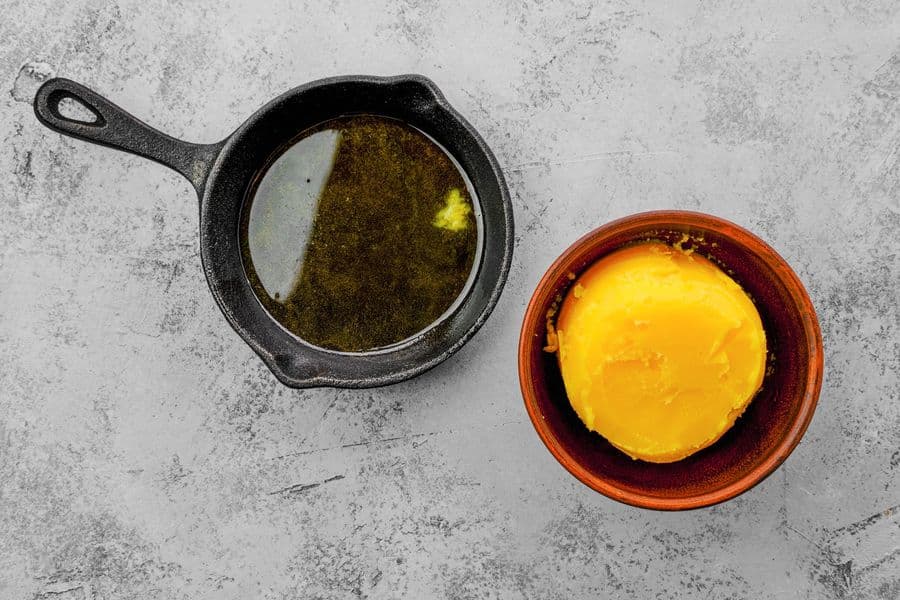
Ghee vs Refined Oil: Choose Healthy Fats Wisely
Understand ghee vs refined oil in simple words. Learn how to use fats in moderation, avoid reheated oils and choose better Indian cooking habits.
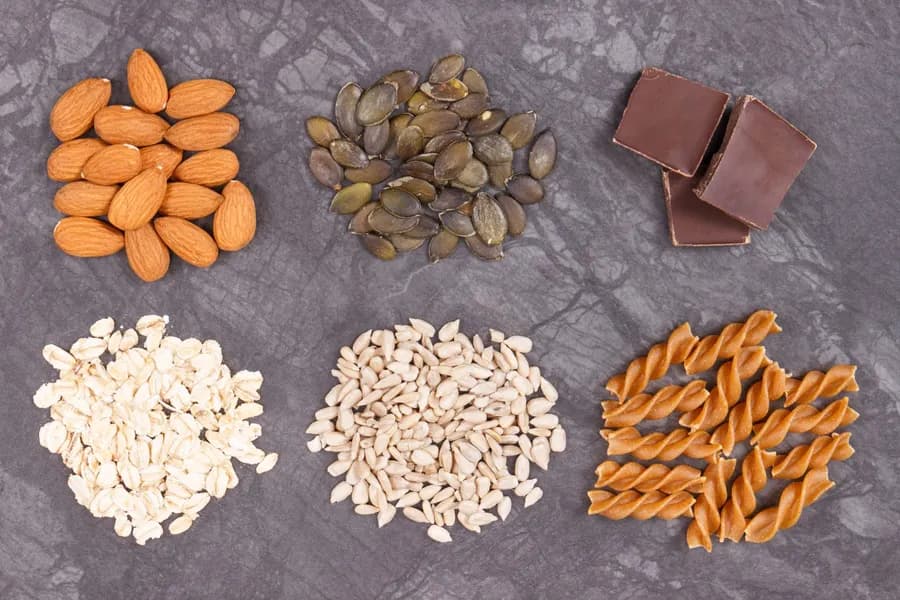
Good fats vs bad fats: choose fats wisely
Understand good fats vs bad fats in simple words. Learn which vegetarian fats to choose, what to reduce and how to read food labels better.