
Perishable Food: How to Keep Everyday Meals Safe
Practical time and temperature habits make everyday food safer, from packed curd to cooked rice and family leftovers.
Key Takeaways
- Perishable food can be unsafe before it smells bad.
- Follow the two-hour rule, shorter in hot weather.
- Cool cooked food quickly in smaller portions.
- When unsure, do not taste to test.
Milk left on the kitchen counter, rice cooling in a deep pot and curd carried to work without a cold pack have something in common: time and temperature matter. Perishable foods can become unsafe when stored badly, even before they smell unpleasant. A few dependable kitchen habits help more than repeatedly boiling a dish or hoping that enough spices will protect it.
Which foods need particular care?
Familiar foods that need care include:
- Milk, curd, paneer and tofu
- Cooked dal, beans, rice and prepared meals
- Many cut fruits and vegetables
- Meat, fish and eggs, if you eat them
The category is not limited to foods that look wet or spoil quickly in front of you. A cooked dal may look much the same after hours on a warm stove while bacteria have had time to multiply.
Dry rice, flour and unopened shelf-stable products have different storage needs. Once a food is cooked, opened, mixed with water or combined with perishable ingredients, the handling requirements may change.
Use the two-hour rule, and shorten it in heat
As a general food-safety rule, refrigerate perishables within two hours at room temperature. When the surrounding temperature is above about 32°C, the limit is one hour. Time during preparation, travel and serving all contributes; the clock does not restart each time the food changes location.
These are maximum limits, not targets to wait for. In a hot Indian kitchen or a parked car, get food cold promptly. A shaded counter may still be far warmer than safe refrigeration.
If food has exceeded the safe time, discard it rather than relying on a smell test or a final hard boil. This is especially important for food being served to pregnant people, young children, older adults or anyone with reduced immunity.
Cool cooked food in smaller portions
A large pot of rice or dal can stay warm in the middle for a long time. Divide leftovers into smaller, shallow containers so heat escapes more quickly.
You do not need to wait for food to become completely cold on the counter before refrigerating it. Small amounts of hot food can go into the fridge in suitable containers; avoid placing one huge steaming pot where it will warm everything around it.
For batch cooking, decide what you will eat soon and what should be frozen. Labelling a container with the dish and date makes the next decision easier and reduces the chance of repeatedly postponing an uncertain leftover.
A fridge must actually be cold enough
Keep the refrigerator at 4°C or below and the freezer around -18°C. A simple fridge thermometer can tell you more than assuming the middle dial setting is correct.
Avoid crowding shelves so tightly that cold air cannot circulate. Store food covered, prevent drips from raw animal foods and keep ready-to-eat items separate from anything that could contaminate them.
The door is repeatedly warmed when opened. Follow product storage instructions and use a consistently cold area for particularly perishable items. Refrigeration slows microbial growth; it does not reverse unsafe time already spent warm.
Give cooked rice its own attention
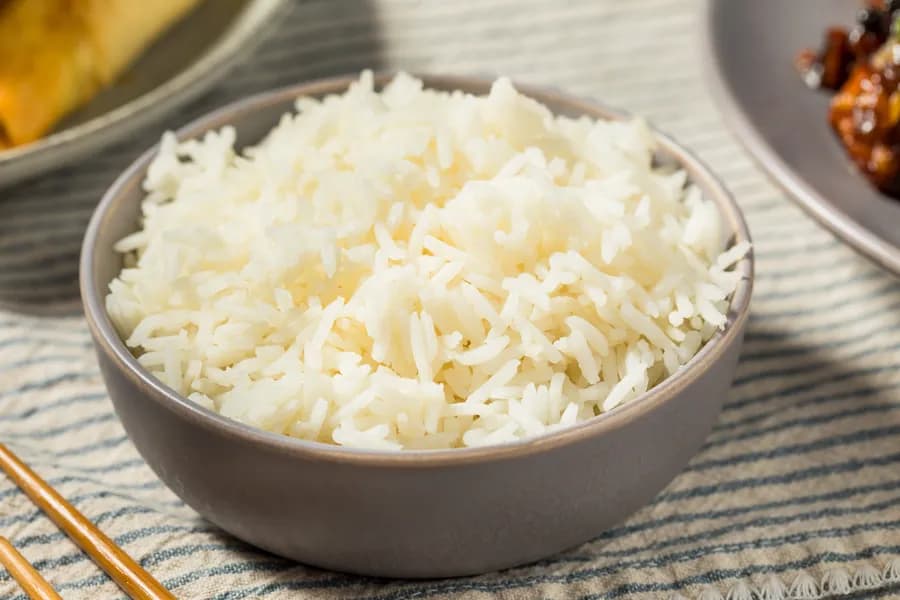
Uncooked rice can carry Bacillus cereus spores that may survive cooking. If cooked rice stays warm too long, organisms can grow and toxins may form. Reheating does not reliably remove all toxin-related risk.
Serve rice promptly, or cool and refrigerate it quickly in small portions. Avoid leaving the cooker or pot at room temperature through the afternoon and reheating it at dinner as though that guarantees safety.
Use reliable local storage guidance for rice, which may recommend a shorter chilled storage period than general leftovers. Cook a manageable amount when you cannot cool or store it properly. The same care applies to rice dishes containing vegetables, curd or other additions.
Reheat only the amount you need
General leftovers should be reheated thoroughly to 74°C, using a food thermometer where possible. In a microwave, stir and allow standing time as directed so cold spots do not remain.
Reheating a whole container, taking a serving and cooling the remainder repeatedly creates unnecessary handling. Take out the portion you plan to eat and keep the rest cold.
A food that was stored unsafely does not become dependable because it is now steaming. Reheating is part of safe handling after correct storage, not a repair method for every earlier mistake.
Pack lunch for the hours until eating
An insulated bag with a frozen cold pack can help keep curd, paneer dishes and other chilled food cold while travelling. Put the bag in a cool place and refrigerate the food at work if facilities are available.
For a long day without cooling, choose suitable shelf-stable options and prepare a different meal at home. An insulated bag without a cold source is not the same as refrigeration.
Hot food needs equipment designed to hold it safely hot, rather than a container that merely keeps it lukewarm. The plan should match the actual time until lunch, not just the few minutes of the commute.
Clean handling prevents another route to illness
Wash hands, use clean utensils and keep raw ingredients separate from food ready to eat. Do not use the same unwashed chopping board for raw poultry and salad.
Use a clean spoon to take curd or chutney from a shared container. Returning a spoon that has been in someone's mouth introduces contamination and can shorten storage life.
Fresh chutneys, dips and sauces containing perishable ingredients need appropriate chilling too. Salt, chilli, lemon or a little oil do not automatically make a homemade mixture safe at room temperature.
When you cannot tell, avoid tasting to test
Mould, leaking packs, an unusual smell or a slimy texture are reasons to discard a food. Their absence does not prove safety, because some harmful organisms do not announce themselves through smell or taste.
If a power cut occurs, keep fridge and freezer doors closed and assess the duration and food temperature using reliable food-safety guidance. Do not use a quick touch as a precise temperature measurement.
Reduce waste by buying manageable quantities and planning storage before cooking. A safe small batch is more useful than a large pot you cannot chill. Once these habits are routine, everyday leftovers become easier to manage with less guesswork.
Editorial sources
Frequently Asked Questions
Related Articles
What to Eat After Food Poisoning: A Recovery Diet Guide
What you eat after food poisoning can decide whether recovery is smooth or slow. See how to rebuild gradually and safely, starting with the first 24 hours.

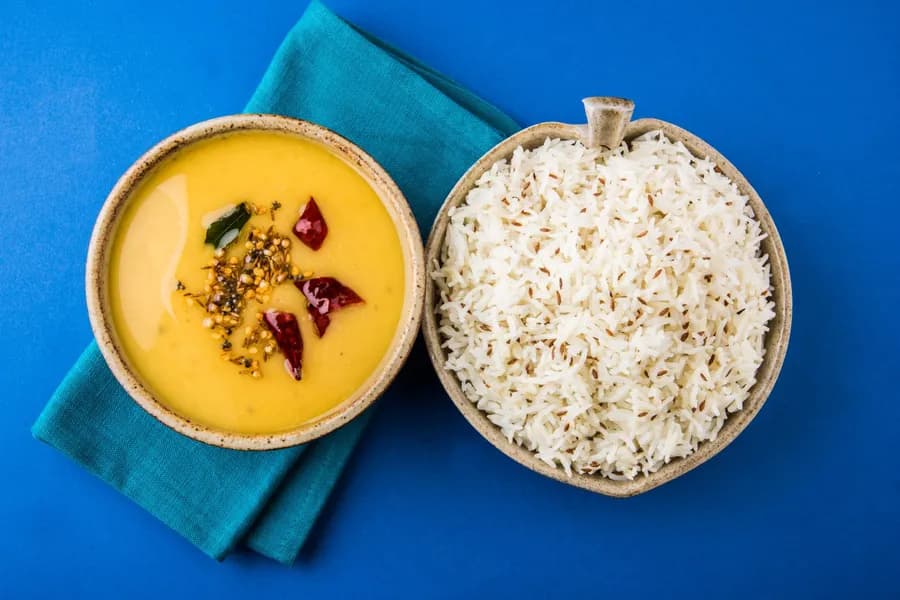
Dal chawal with ghee: a balanced Indian lunch
Dal chawal becomes a more complete meal with a small spoon of ghee added after cooking, plus a side of sabzi and salad. See how to balance the plate.
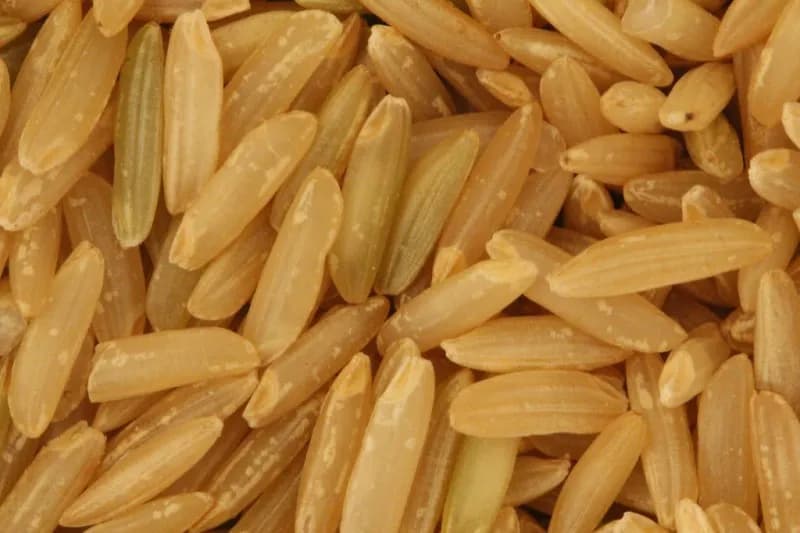
Which Rice Is Good for Health? A Practical Comparison
How to choose rice for your meals, health needs and budget without chasing one perfect variety.

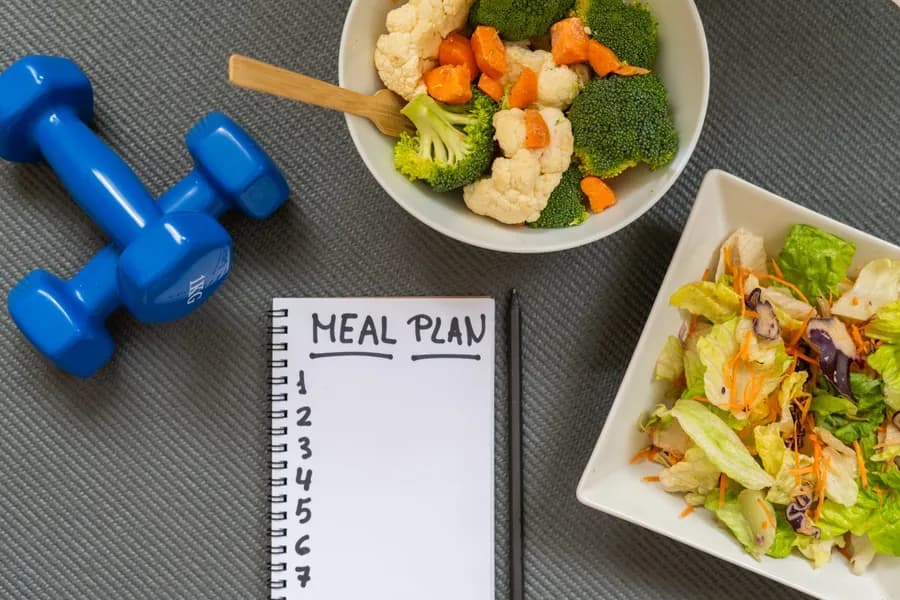
Healthy Meals That Work on Busy Indian Days
Practical ways to make everyday breakfasts, lunchboxes and dinners more balanced.