
Which Rice Is Good for Health? A Practical Comparison
How to choose rice for your meals, health needs and budget without chasing one perfect variety.
Key Takeaways
- No single rice variety is right for everyone.
- Wholegrain rice usually offers more fibre.
- White rice can still belong on a balanced plate.
- Store cooked rice safely and refrigerate leftovers promptly.
Brown, white, red, black, basmati, parboiled: the rice shelf can make a familiar food feel like a difficult health decision. There is no single variety that everyone must buy. Wholegrain rice usually offers more fibre, but the portion, the rest of your plate and the rice you can comfortably afford and digest all matter. Choosing well does not have to mean giving up the rice you grew up eating.
First separate colour from processing
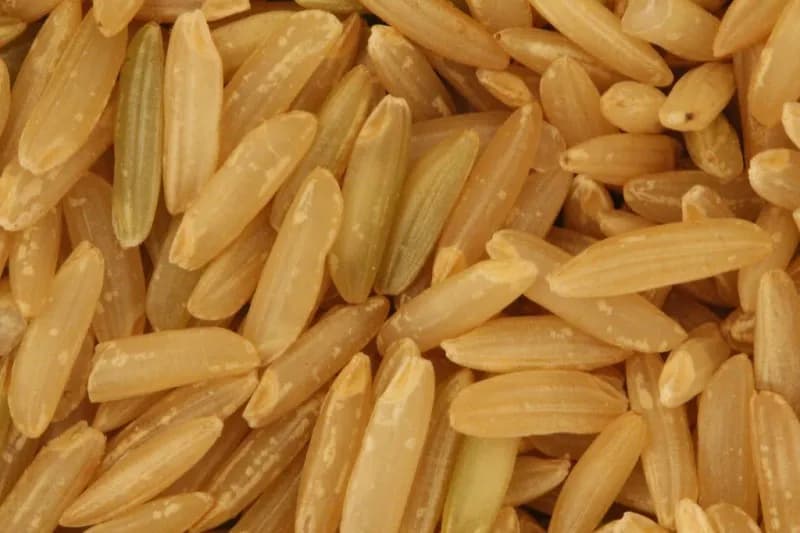
Brown rice keeps the bran and germ that are removed when rice is polished into white rice. Red and black rice can also be wholegrain when these outer layers are retained. Their colour comes from pigments, rather than proof that they treat a particular disease.
Basmati describes a type of aromatic rice; it can be sold white or brown. Parboiling is a processing method involving soaking, heating and drying before milling. It does not automatically mean the final rice is wholegrain.
These categories overlap. A bag can be brown basmati, for example. Understanding that makes the choice easier than trying to rank every name as if it described a completely different food.
If you want more fibre, consider wholegrain rice
Brown and other intact wholegrain rice generally contain more fibre than polished white rice. That can help you build a higher-fibre diet, especially if most of your other grains are refined too.
However, rice is only one place to get fibre. Dal, beans, vegetables, fruit, nuts and seeds contribute as well. Changing rice while leaving the rest of the plate sparse is a smaller improvement than building a more complete meal.
Try wholegrain rice in a dish that suits its firmer texture, such as a bean bowl or vegetable pulao. If you dislike it plain with rasam, you do not have to force that pairing at every dinner.
White rice can still belong on the plate
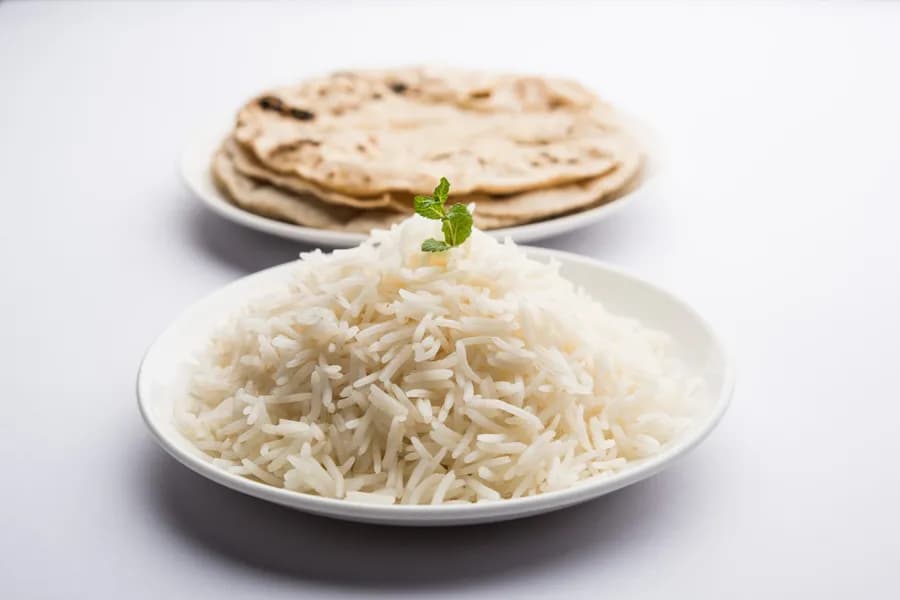
White rice is easy to cook, familiar and affordable for many households. It provides energy and can sit within a balanced diet. It does not automatically cause weight gain simply because it is white.
What often needs attention is a large mound of rice with very little dal, vegetables or another protein food. Start by giving those other foods more space. You can keep the rice while changing the proportions of the meal.
For example, serve rice with rajma and a vegetable side, or with sambar, poriyal and curd. A modest portion of white rice in such a meal may work better for you than a large portion of brown rice eaten almost on its own.
What if blood sugar is the concern?
Different rice varieties and cooking methods can produce different glucose responses, but no rice should be assumed to be glucose-free or suitable in unlimited amounts. The quantity eaten remains important.
Some people find a smaller portion of rice with pulses and vegetables more manageable than changing the variety alone. If you monitor glucose as part of diabetes care, your usual readings can help you understand how a particular meal works for you.
Do not use a “diabetic rice” claim as permission to stop thinking about portions or prescribed treatment. Likewise, do not remove all rice if that makes meals stressful and difficult to sustain. A workable plan should fit your food culture and health needs.
Choose for the dish you are making
Different textures have practical uses. Separate long grains can suit pulao; softer rice can suit khichdi or curd rice. A rice that tastes good in the meal is more likely to be used consistently.
Brown rice usually takes longer to cook and may need more water than the white rice you use. Follow the method for the variety rather than assuming your usual cooker setting will give the same texture.
If you want to change gradually, cook a small amount first. Mixing varieties can work, but differing cooking times may leave one grain too soft and the other too firm. Cooking them separately before combining can be easier.
Cost matters too
An imported or premium-coloured rice is not necessary for healthy eating. If the extra cost means buying less dal, fewer vegetables or less fruit, the overall trade may not help.
Choose a rice that fits your budget and use the savings to complete the meal. Ordinary local varieties can work perfectly well. You do not need a different expensive grain for every health goal.
Variety across the week can come from roti, oats, millets or other staples you enjoy. You can rotate foods without turning each lunch into a nutrition experiment or abandoning your usual cooking style.
What about arsenic?
Rice can take up arsenic from its growing environment, and levels vary. A varied diet with different grains is a sensible way to avoid relying heavily on one food. Colour alone does not guarantee a lower level.
FDA research shows that cooking rice in excess water and draining it can reduce inorganic arsenic, although some nutrients are lost too. There is no need to describe this as removing every contaminant or making rice entirely risk-free.
For babies, rice cereal should not be the only grain offered. Age-appropriate dietary variety matters more than a household trying to identify one supposedly perfect rice for everyone.
Store the cooked rice safely
Cooked rice should not sit at room temperature for long periods. Cool leftovers quickly, refrigerate them and use them promptly. Food Standards Agency advice is to chill rice ideally within an hour and use refrigerated rice within 24 hours.
Reheat only once and make sure it is steaming hot throughout. Cooling rice deliberately for supposed metabolic benefits is not a reason to leave it out overnight.
The best choice is therefore practical: wholegrain rice when you enjoy it, familiar white rice when it suits the meal, and enough vegetables and protein alongside either. The whole plate tells you more than the colour of the grain.
Editorial sources
Frequently Asked Questions
Related Articles
Brown Rice Benefits, Nutrition, Portions and Safety
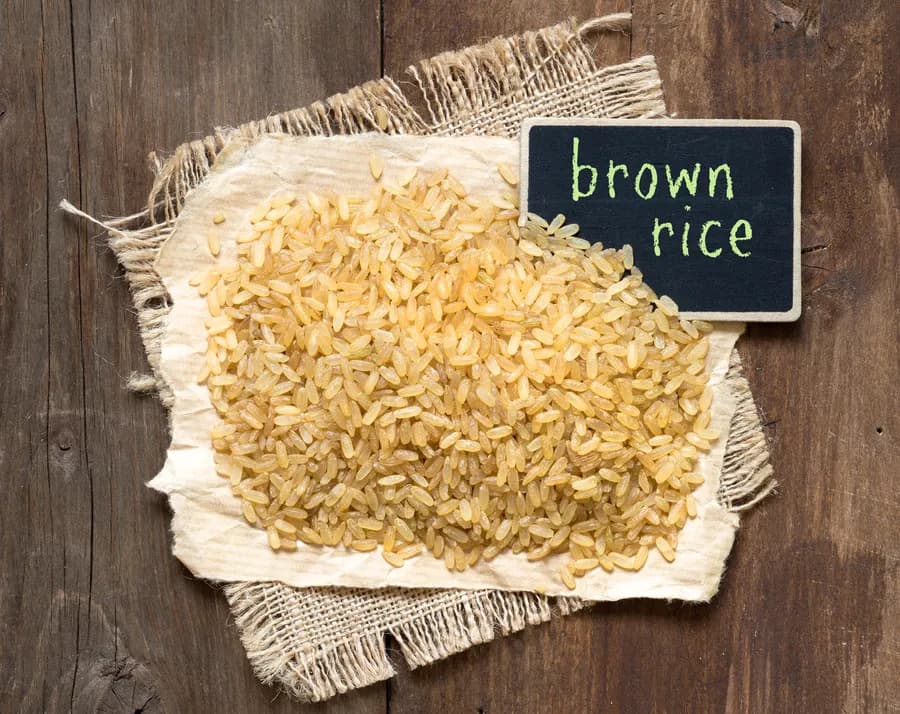
Brown rice retains the bran and germ removed from white rice, so it generally provides more fibre, magnesium and a firmer texture.

Brown Rice Versus White Rice: A Full Comparison
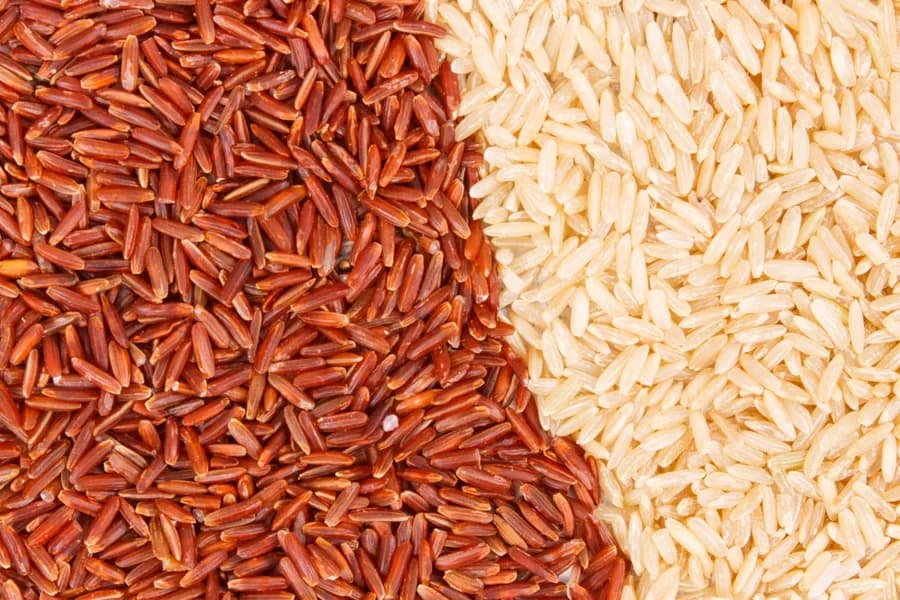
Brown rice and white rice come from the same grain — the milling process that strips away the bran and germ is what changes the nutrition, glycemic.

White Rice: Nutrition, Portions and Everyday Meals
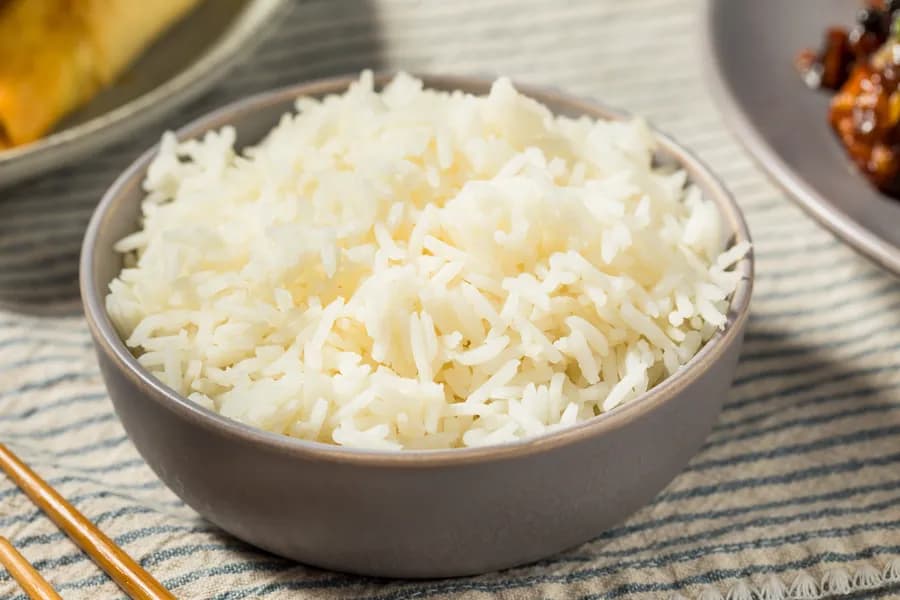
White rice can fit a healthy diet. How much to serve, what to pair it with, rice and diabetes or weight loss, and how to store leftovers safely.
Rice vs Roti for Weight Loss: What the Science Actually Says
Neither rice nor roti is inherently fattening or slimming — portion size, what you pair it with, and how it’s cooked matter far more than the grain.