
Pineapple Juice Benefits: Nutrition, Portions and Safety
Pineapple juice provides fluid, natural sugars and some vitamin C, but it contains much less fibre than whole pineapple.


Key Takeaways
- Pineapple juice provides vitamin C and fluid but far less fibre than whole pineapple.
- A small glass with a meal is easier to account for than sipping from a large bottle.
- Bromelain extract research does not prove that ordinary juice treats inflammation or disease.
- Juice is acidic and sugary, so it can affect teeth, reflux and blood glucose.
Pineapple juice provides fluid, natural sugars and some vitamin C, but it contains much less fibre than whole pineapple. It can fit occasionally, yet it is not a detox drink, digestive cure or fat burner. Understanding pineapple juice benefits means looking at the portion, added sugar, acidity, medicines and the food it replaces.
Whole pineapple and juice are not equivalent
Juicing removes most of the fruit structure and makes several pieces easy to drink quickly. A whole pineapple portion requires chewing and provides fibre, which can support fullness and bowel health. Clear juice may contain little fibre even when it is labelled natural or freshly pressed.
Fruit juice can count towards fruit intake in some guidance, but it should not displace whole fruit every day. The strongest pineapple juice benefits are convenience, flavour, fluid and vitamin C. They do not make juice nutritionally identical to fresh fruit, and adding fruit pieces to the glass does not restore the fibre removed during juicing.
What the nutrition label reveals
Check the serving size, total sugar and ingredient list. One bottle may contain more than one serving. Products labelled drink, nectar or beverage may contain added sugar, flavours or a smaller percentage of fruit. Unsweetened juice still contains naturally occurring sugar.
Vitamin C can fall with prolonged storage and exposure to heat or air. Fortified products may list added vitamins, but more is not automatically better. Compare the finished drink with water, whole fruit or the snack it replaces rather than judging the front-of-pack claim alone.
Bromelain claims need context
Pineapple contains bromelain enzymes, especially in the stem. Concentrated bromelain supplements have been studied for specific uses, but their dose is not the same as a glass of juice. Evidence about an extract cannot be transferred automatically to a household drink.
Juice has not been shown to cure arthritis, remove mucus, speed surgery recovery or dissolve body fat. Some people find it pleasant after a meal, but comfort is not proof of treatment. Claimed pineapple juice benefits should never delay evaluation of pain, swelling or breathing symptoms.
Portion and blood glucose
Juice carbohydrate is absorbed more quickly than carbohydrate enclosed in whole fruit. People with diabetes can discuss a suitable portion and timing, especially when using insulin or medicines that can cause low blood glucose. Drinking directly from a large bottle makes the amount difficult to judge.
A modest glass served with a meal is easier to account for than sipping juice all day. Diluting changes sweetness and acidity per sip but does not remove the sugar in the amount poured. Water remains the simplest routine drink for thirst.
Acidity, teeth and reflux
Pineapple juice is acidic. Frequent sipping can expose tooth enamel repeatedly, particularly when the drink is sweetened. Have it with or near a meal, avoid swishing it around the mouth, and rinse with plain water afterwards. Follow personal dental advice about brushing after acidic drinks.
The acidity may worsen heartburn, mouth ulcers or a sore mouth in some people. Stop or reduce the serving if burning repeats. Persistent swallowing difficulty, vomiting, black stools or unexplained weight loss needs medical assessment rather than a change of juice.
Allergy, medicines and sensitive mouths
Pineapple can cause allergy, including itching, swelling, hives or breathing difficulty. The natural enzymes and acidity may also create temporary mouth tingling without a true allergy, but severe or spreading symptoms need urgent care. Children require an age-appropriate form and portion.
Bromelain supplements can interact with medicines, and juice may not be appropriate with every prescribed drug or before surgery. Show the exact product to a pharmacist when unsure. A normal drink and a concentrated capsule have different exposures and should not share one safety assumption.
Buying, storing and serving safely
Choose pasteurised packaged juice when infection risk is a concern. Fresh juice should be made with washed fruit, clean equipment and safe water, then refrigerated promptly. Street juice safety depends on water, ice, utensils and storage as much as the fruit itself.
Discard a bottle that is swollen, leaking, mouldy or unexpectedly fizzy. Follow the use-by date and instructions after opening. Buying a small bottle or freezing measured portions reduces waste, although texture may change after thawing.
Juice after exercise
Juice provides carbohydrate and fluid, but recovery after demanding exercise may also need protein, sodium and an individual hydration plan. For most ordinary sessions, water and a normal meal are enough. Pineapple juice should not replace food after training simply because it tastes refreshing.
A practical place for juice
Use juice because you enjoy it, not because a cleanse requires it. At breakfast, offer water first, place whole fruit alongside the meal and pour juice into a small glass rather than a large tumbler. Combining juice with a meal containing protein and fibre can be more satisfying than drinking it alone.
Pineapple juice benefits remain modest and optional. A small unsweetened serving can add variety, while whole pineapple offers more fibre. There is no need to drink it daily, on an empty stomach or at a fixed time to obtain value.
Editorial sources
Frequently Asked Questions
Related Articles
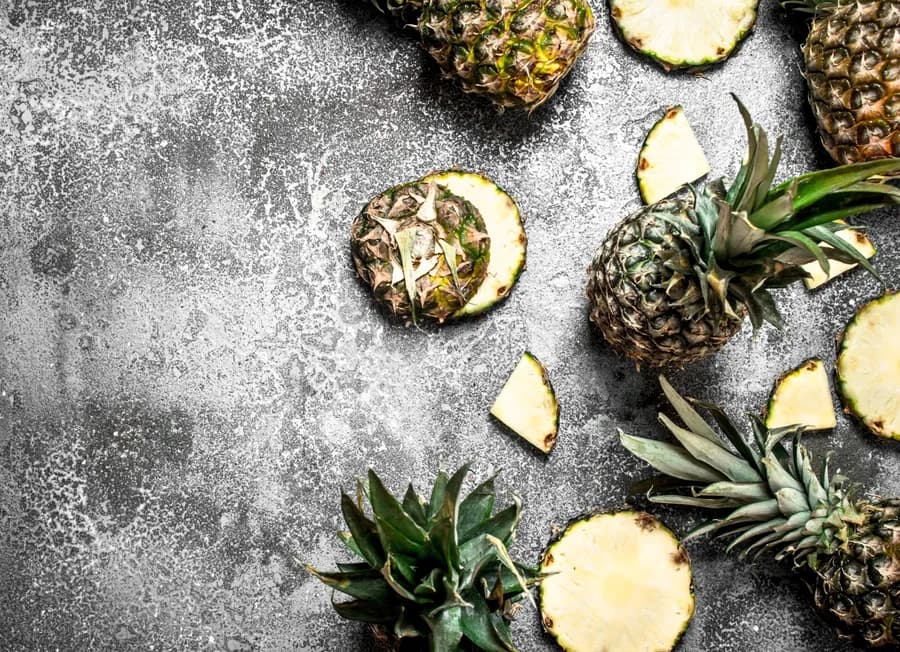
Pineapple Benefits: Nutrition and Safe Portions
Explore pineapple nutrition, realistic benefits, bromelain evidence, easy serving ideas and safety tips in simple language.
Beetroot Juice Benefits: Nutrition, Timing and Smart Choices
Beetroot juice benefits can affect hydration, energy or nutrient intake depending on its ingredients. Packaged and homemade versions may differ greatly.

Amla Juice Benefits: Immunity, Digestion & Skin
Amla juice concentrates Indian gooseberry into an easy daily shot — vitamin C, antioxidants, and polyphenols without eating the sour fruit itself. See.