
Prickly Pear Cactus: Fruit, Pads and How to Eat Them
Prickly pear offers sweet fruit and vegetable-like pads. Understand their different uses, safe preparation and the limits of blood-sugar claims.
Key Takeaways
- The fruit and the pads (nopales) are different foods.
- Remove the tiny hairs carefully before eating.
- Blood sugar claims are not a reason to skip treatment.
- Enjoy it as a fruit or vegetable, not a cure.
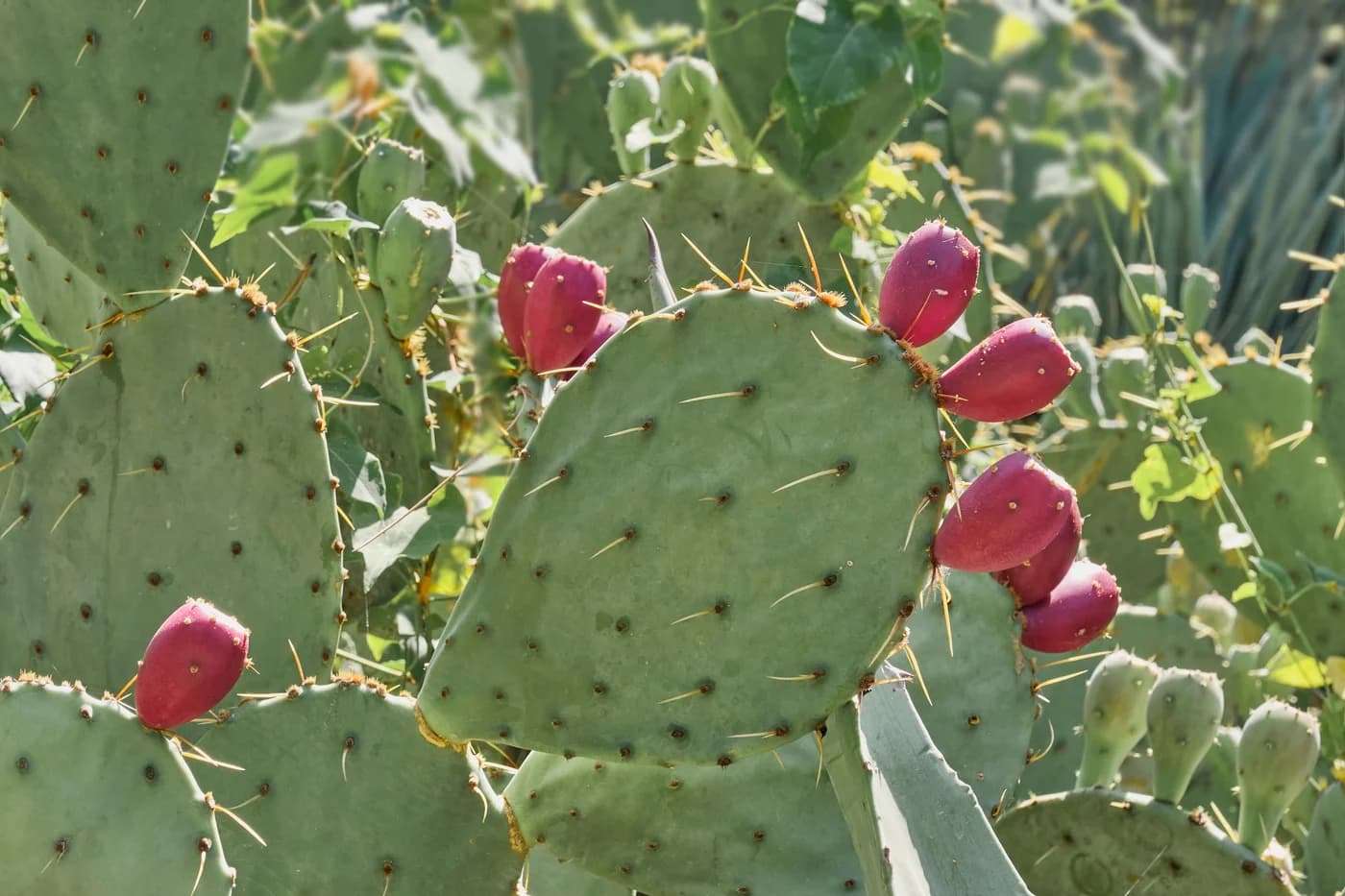
A cactus with flat pads and bright fruit may look more decorative than edible, but certain prickly pear species are grown as food. The fruit can be sweet and juicy, while the young pads are used as a vegetable. They are two different ingredients, with different preparation needs.
The main practical issue is in the name: prickles. Tiny barbed hairs can remain even when the obvious spines are absent. Buying properly prepared edible produce is an easier starting point than experimenting with an unidentified cactus growing beside a road.
Know which part you are buying
Prickly pears belong to the Opuntia group of cacti. The fleshy fruits are sometimes called tunas, while edible young pads are commonly known as nopales. Local names and varieties differ, so a familiar-looking plant is not enough to establish that it is suitable to eat.
The fruit usually has a thick outer skin around its coloured pulp. Depending on the variety and ripeness, the flesh may be red, purple, orange or another shade. It contains numerous hard seeds.
The pads are flatter, green and mild-tasting. They can develop a slippery texture when cut and cooked, somewhat like the mucilage people notice in bhindi. That texture is a cooking characteristic, not evidence that the food is spoiled.
What nutrition does it offer?
Prickly pear fruit contributes water, some fibre, vitamin C and other micronutrients. The amounts depend on the variety and portion. Its colour comes from plant pigments, but a vivid colour does not establish a treatment for a disease.
Nopales also contribute fibre and water and can be used to add vegetable variety. They are not a substantial replacement for the protein in dal, tofu or paneer.
For an ordinary meal, think of the fruit as a fruit portion and the pads as a vegetable ingredient. Juice, syrup, jam and capsules made from cactus have different compositions and should not inherit the nutritional description of the whole food.
The tiny hairs need attention
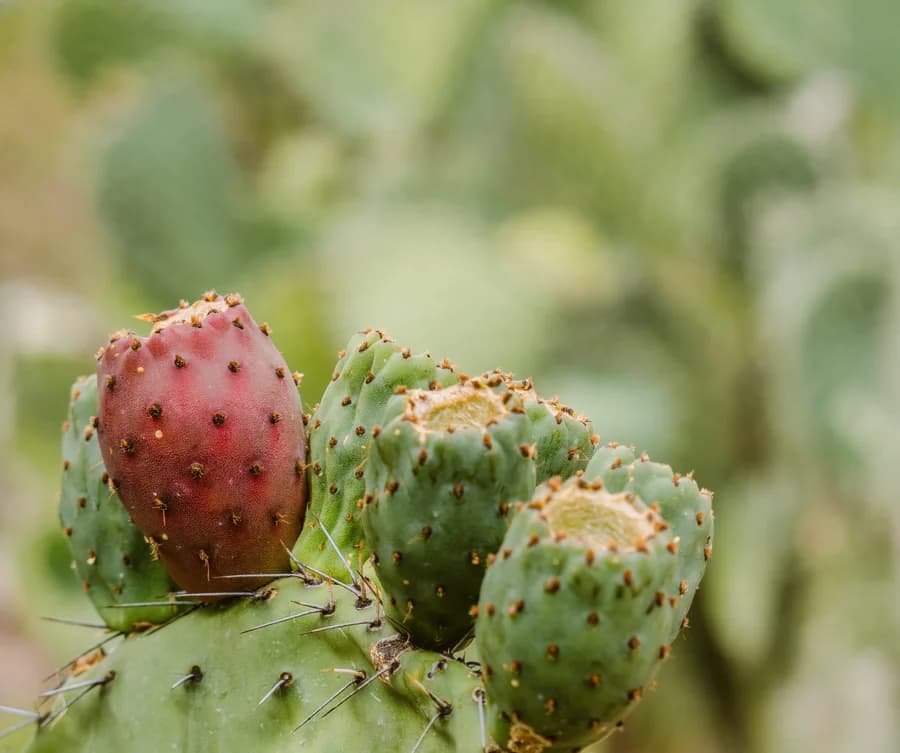
Prickly pear fruit and pads can carry glochids: very small, barbed hairs that irritate skin and the mouth. Some are difficult to see. Removing only the large spines is not enough.
For a first purchase, choose food sold by someone experienced in preparing edible prickly pear, ideally already cleaned. Do not handle unprepared fruit with bare hands. Tongs and suitable gloves help keep the surface away from your skin.
Home preparation requires an established method that removes the glochids before peeling or cooking. A quick rinse is not a reliable substitute. University extension guidance provides detailed methods; if you cannot prepare it confidently, choose another fruit rather than improvise.
Eating the fruit
Once the outside has been safely prepared, remove the thick skin and use the pulp. Work on a clean surface so hairs from the outer skin do not contaminate the edible flesh or utensils.
The seeds are hard. People differ in how they manage them, but you should not try to crunch through them forcefully. A preparation that removes seeds may be easier for someone with dental difficulties or swallowing concerns.
Enjoy a modest serving first rather than eating several large fruits at once. A sudden large amount of an unfamiliar, seedy food may be uncomfortable. You do not need an exact medicinal serving to enjoy it.
Simple uses include chilled pulp on its own, a little in a fruit salad or a seed-free purée folded into plain curd. Start with the fruit’s natural sweetness before deciding whether anything else is needed.
Cooking with nopales
Choose young, food-grade pads with the spines and glochids properly removed. Trim and prepare according to a reliable recipe. Their mild flavour takes well to familiar seasonings.
You could try:
- Diced cooked pads with tomato, onion and coriander.
- A small amount in a bean salad with lemon.
- A lightly spiced vegetable filling served with roti.
- A mixed vegetable preparation where the pads are one ingredient rather than the whole dish.
If the slippery texture is new to you, begin with a small batch and a recipe designed for nopales. Preparation methods change the texture, and you may prefer one style to another. There is no nutritional obligation to keep eating a food you do not enjoy.
Can it lower blood sugar?
Small human studies have investigated nopal with meals, including in people with type 2 diabetes. Some findings suggest an effect on the glucose rise after certain meals. That is more limited than showing that prickly pear fruit treats diabetes over the long term.
The part of the plant, preparation, serving and meal all matter. A result from cooked pads does not prove that a sweetened prickly pear drink or a cactus capsule has the same effect.
If you use glucose-lowering medicines, concentrated products marketed for blood sugar deserve caution. Ordinary food choices can support diabetes care, but they should not become a reason to stop treatment or assume readings no longer need attention.
What about weight loss or hangovers?
Prickly pear products are sometimes sold for fat loss, detoxification or hangover prevention. The evidence does not justify treating an ordinary serving or a commercial extract as a dependable solution for those purposes.
A fruit can replace a less nutritious snack if you enjoy it. A sweet cactus syrup added to desserts is another matter: it brings concentrated sweetness rather than the same experience as eating fruit.
For alcohol-related harm, a cactus product cannot make heavy drinking safe. Avoid building a routine around a supposed protective remedy.
Buy it as food, not as a challenge
If prickly pear is available locally through a reliable food seller, it can be interesting to try. It is not necessary to seek out an expensive imported powder to obtain fibre or vitamin C; many familiar fruits and vegetables provide those nutrients.
Keep cut or cooked produce refrigerated and use it promptly. Discard food that has deteriorated rather than relying on spices or reheating to rescue it.
The appeal of prickly pear is its flavour, colour and culinary variety. Safe handling comes first, and the health claims should stay smaller than the fruit’s reputation online.
Editorial sources
Frequently Asked Questions
Related Articles
Dragon fruit benefits: what research really shows
Dragon fruit is nutritious, but many claims go too far. See what human research says about blood sugar, heart health, digestion and safety.
Star Fruit Benefits: Uses and Kidney Safety
Star fruit, or carambola, is a crisp tropical fruit with ridged sides that form stars when sliced. It ranges from sharply sour to mildly sweet.

Best Time to Eat Fruit: Morning, Night or With Meals?
There is no magic hour for fruit. Learn how to time it around meals, exercise, diabetes, reflux and medicines without strict rules.

Sugar Control Foods: A Practical Indian Guide for Blood Glucose
No food instantly lowers blood glucose. Steadier readings come from the type and amount of carbohydrate, what you pair it with, and your overall routine.