
Protein Deficiency Diseases: Kwashiorkor, Marasmus, Signs and Food Choices
Understand protein deficiency, kwashiorkor and marasmus in simple terms, the warning signs, who is at risk and how everyday meals can help.
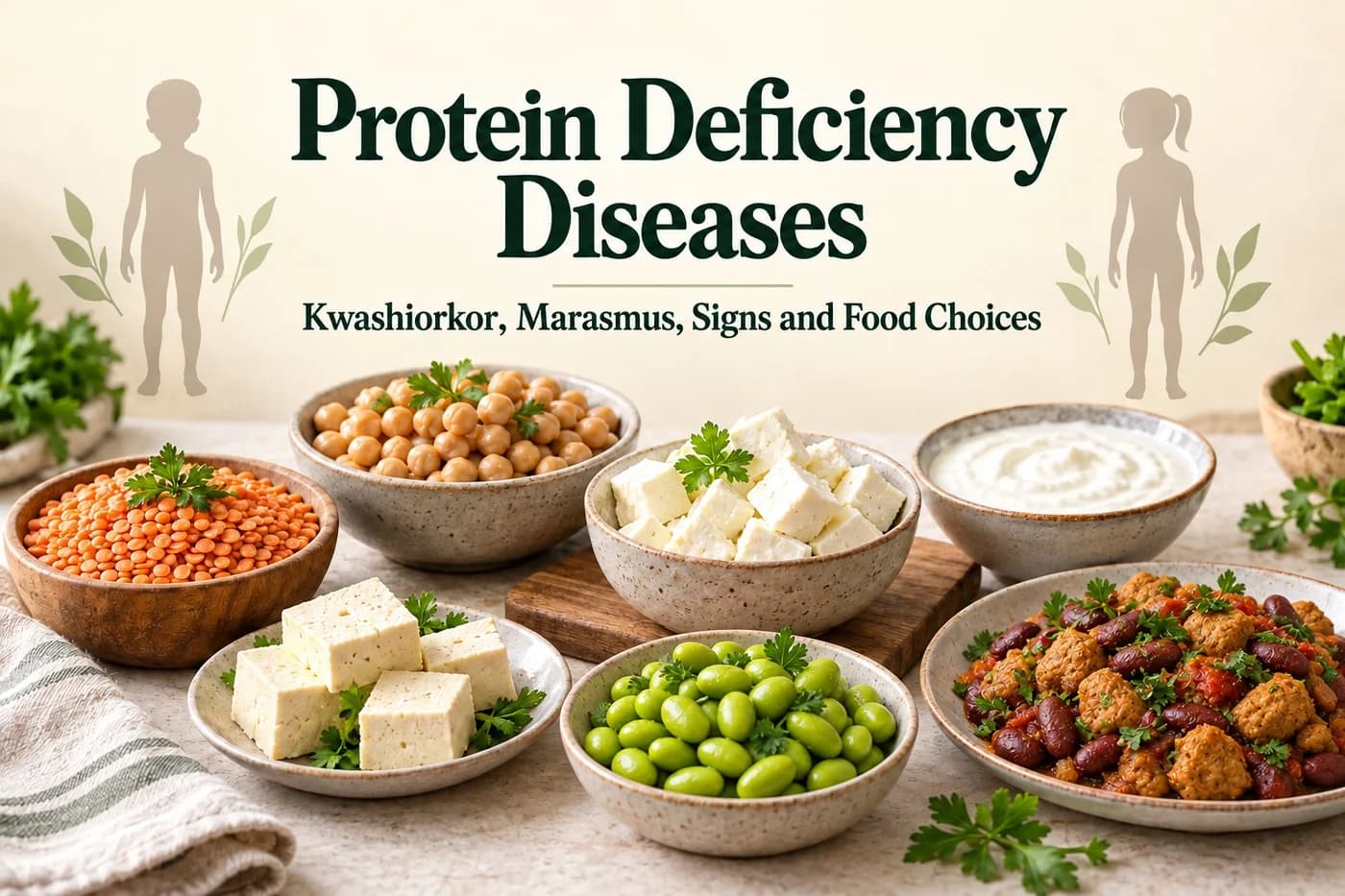
Key Takeaways
- Kwashiorkor causes swelling and skin and hair changes; marasmus causes severe wasting.
- Unplanned weight loss, weakness and slow recovery can signal undernutrition.
- Hair fall or tiredness alone does not prove that you lack protein.
- Vegetarians can meet needs with real portions of dal, soy, dairy, nuts and seeds.
- Severe malnutrition needs medical care, as rapid refeeding can be dangerous.
Protein deficiency means the body is not getting, or not able to use, enough protein to meet its needs. Severe undernutrition can lead to conditions such as kwashiorkor and marasmus, which are more complicated than simply missing a protein-rich snack. In everyday life, low intake usually develops alongside illness, poor appetite or a very restrictive diet. Hair fall or tiredness alone cannot tell you that protein is the problem.
Which diseases are linked with protein deficiency?
Kwashiorkor
Kwashiorkor is a severe form of malnutrition classically linked to too little protein in the diet. It causes swelling (oedema), changes in skin colour, rashes, changes in hair colour or texture, a swollen belly and loss of muscle. Infection and other factors are also thought to play a part. Because the swelling can make a child look less thin than expected, appearance alone can hide how serious it is.
Marasmus
Marasmus is severe wasting, with loss of muscle and body fat, from a long-term shortage of energy and nutrients overall. Features of both conditions can overlap. Both need medical nutrition care, especially in children, not a large serving of protein powder at home. Treatment also deals with infection, fluid balance and the safe rebuilding of food intake.
What signs might you notice?
Not getting enough food over time can lead to unplanned weight loss, reduced strength, slow recovery and low energy. The NHS lists losing 5% to 10% of body weight over 3 to 6 months as one of the main signs of malnutrition. Clothes may feel looser, everyday tasks may feel harder, or someone may lose interest in meals.
Slow wound healing, frequent illness and changes in skin or hair can occur with undernutrition, but each has other causes. Hair loss, for example, may relate to iron deficiency, thyroid disease, stress or a scalp condition. New swelling can come from heart, liver or kidney problems and needs a medical check, not a protein shake.
In children, poor growth or weight loss needs prompt attention. In older adults, a gradual decline may first show as difficulty rising from a chair or carrying groceries. A person with a higher body weight can still be poorly nourished or losing muscle.
Who is more likely to have a problem?
Risk rises when someone eats very little, skips meals repeatedly or follows a highly restrictive diet for a long time. Illness can reduce appetite or raise needs, and digestive disorders can affect absorption. Dental pain, swallowing difficulty, nausea, limited money, trouble shopping and living alone can all make adequate eating hard.
After surgery or during recovery, protein needs may rise while appetite falls. Some people on weight-loss medicines also struggle to eat enough. Protein advice may need to differ for someone with kidney disease.
What about vegetarians?

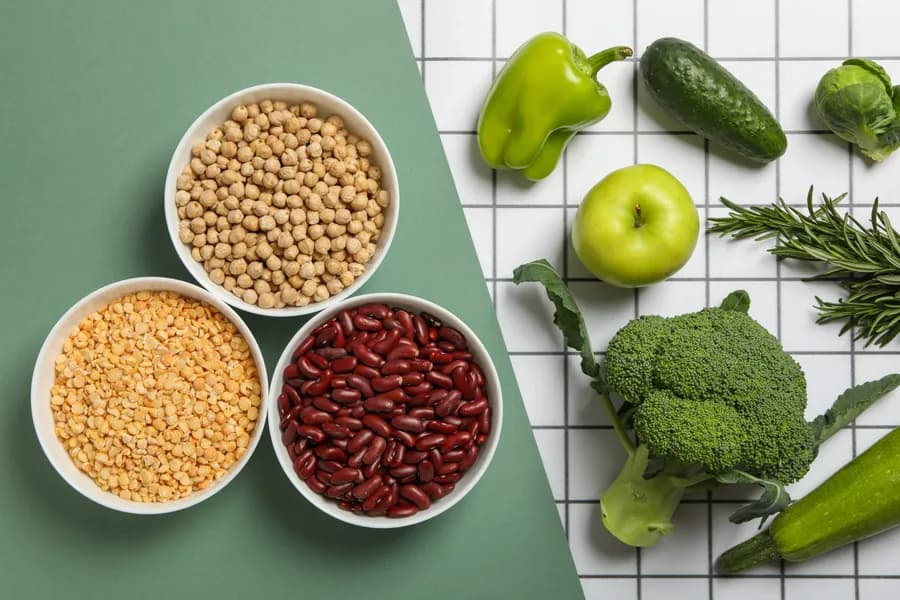
Vegetarian and vegan diets can provide enough protein. What matters is whether meals contain enough food and real portions of dal, beans, soy, dairy if included, nuts and seeds. A plate of mostly rice with a little gravy offers far less protein than rice with a full bowl of dal and curd. Our list of high-protein vegetarian foods can help with planning.
How can everyday meals help?
Include a clear protein food at breakfast, lunch and dinner. Try besan chilla with curd, oats cooked in milk, or eggs with toast if you eat them. Lunch could include dal or chana with roti and vegetables. Dinner might be tofu, paneer, fish or rajma with a grain and sabzi. Roasted chana, curd or milk make useful snacks when meals are far apart. See protein per day for how much to aim for.
If chewing is difficult, softer choices such as well-cooked dal, curd, scrambled egg or soft tofu may help. Swallowing problems need a texture plan from a professional, because even soft foods may not be safe for everyone.
When overall intake is low, add energy as well as protein. Rice, roti, oil and other foods supply fuel, so protein can be used for its other jobs. Small, frequent meals may be easier than a large plate. Ideas in our weight gain diet guide can help. Nutrition drinks can fill a real gap, but should suit the person's health needs.
When is more than a food change needed?
Seek care for rapid unplanned weight loss, new swelling, marked weakness or a persistent inability to eat. A short record of usual meals and recent weight changes helps the assessment. Blood albumin or prealbumin levels do not measure protein intake on their own, because illness and inflammation also lower them.
Severe undernutrition should not be corrected by suddenly eating very large amounts. In vulnerable people, refeeding too fast can cause dangerous shifts in body salts, so it needs medical supervision. For smaller gaps, improve meals steadily and address whatever made eating difficult.
Editorial sources
Frequently Asked Questions
Related Articles
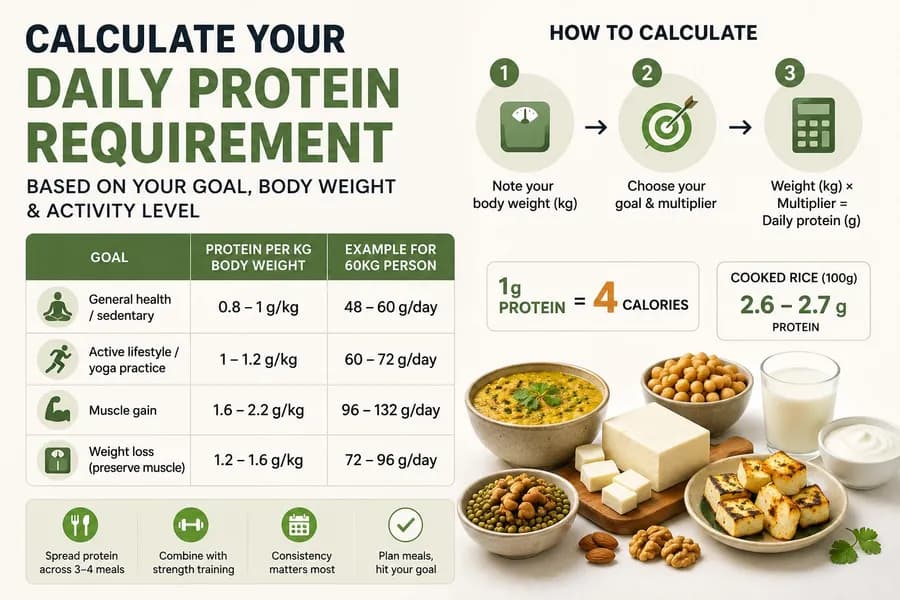
Daily Protein Requirement: How to Calculate What You Need
Your daily protein requirement isn’t a fixed number — it depends on your body weight, activity level, and goal. See exactly how to calculate it for.

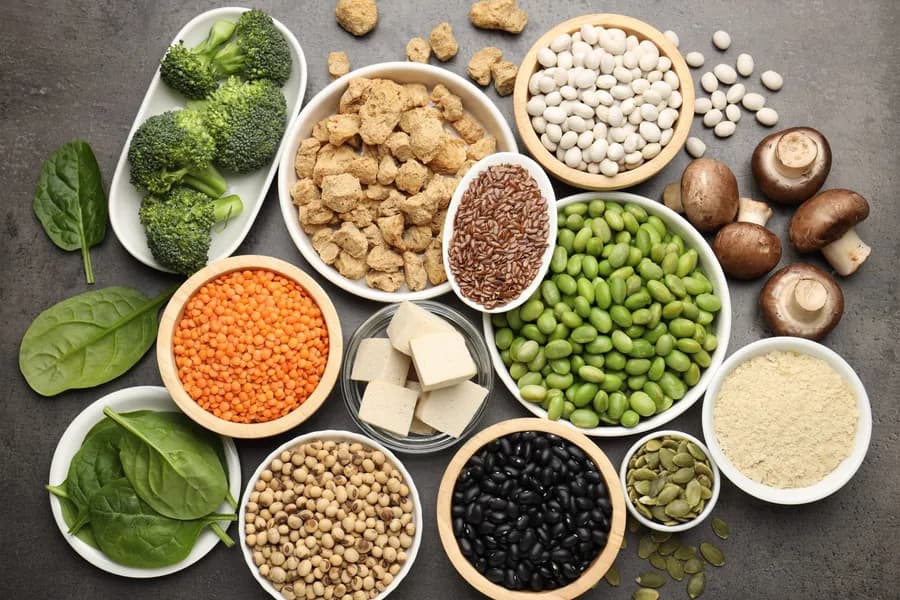
High Protein Vegetarian Foods: The Complete Indian Food List
Indian kitchens are already full of high protein vegetarian foods — dals, paneer, tofu, soy, and dairy. See the complete list, with protein counts, and.

What Does Protein Do? Functions, Needs and Food Sources
Protein builds tissue, makes enzymes and antibodies and moves nutrients in blood. What it does, how much you need and vegetarian sources.
Weight Gain Diet: A Simple, Healthy Plan to Gain Weight
A good weight gain diet means eating more calorie-dense, nutrient-rich food than your body burns, spread across regular meals. See what a healthy plan.