
Pumpkin: Nutrition, Benefits and Easy Meal Ideas
Pumpkin flesh and pumpkin seeds are different foods. See what each provides, how cooking changes it, glucose tips and easy Indian meal ideas.

Key Takeaways
- Orange pumpkin gives beta-carotene, fibre and water while staying low in calories.
- Pumpkin seeds are calorie-dense, so a small handful is a realistic serving.
- Cooking with a little fat can improve carotenoid absorption from the flesh.
- Pair pumpkin with dal, beans, tofu or curd; it has very little protein.
- Juices, desserts and seed brittle change the food more than the pumpkin does.
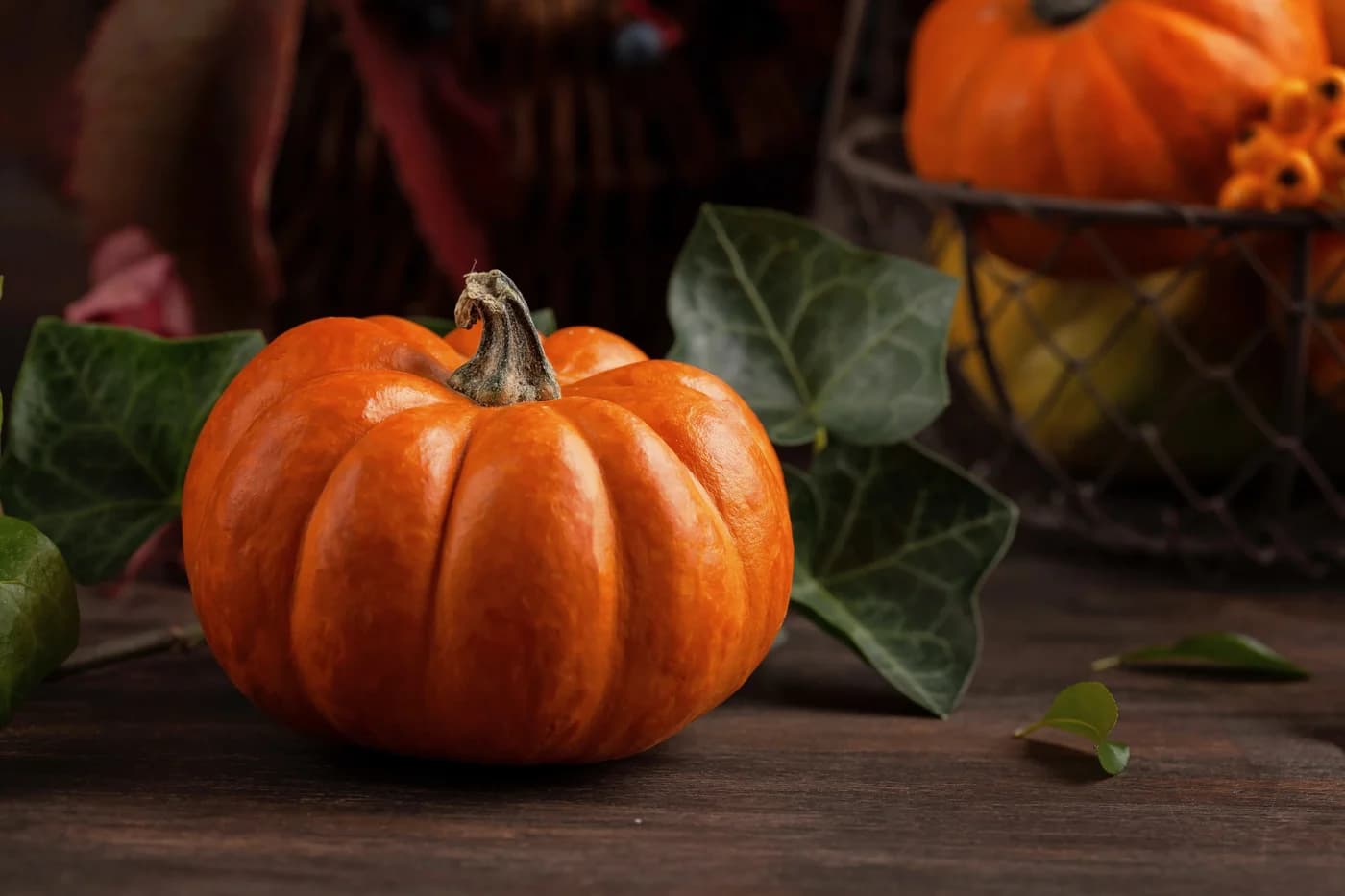
Pumpkin is a versatile vegetable with a mild sweetness, high water content and orange pigments the body can convert to vitamin A. It also provides fibre, potassium and vitamin C in amounts that vary by type and cooking. Pumpkin seeds are nutritionally different: they are concentrated in fat, protein, magnesium and zinc (see our guide to pumpkin seeds benefits). Neither the flesh nor the seeds are a cure, but both can strengthen a vegetarian eating pattern when prepared simply.
Pumpkin is sometimes promoted as a low-carbohydrate swap, but varieties differ and the whole meal still matters. Replacing part of a refined-grain portion with pumpkin increases vegetable volume, while adding cream, cheese or sugar changes the result.
The peel of some varieties softens enough to eat and adds texture and fibre, while others stay tough. Wash the surface before cutting and follow the recipe. Pumpkin flowers and leaves are eaten in some cuisines too, but use only correctly identified edible parts from a safe source; decorative pumpkins are not automatically food.
What does pumpkin provide?
Orange flesh contains beta-carotene and related carotenoids. The body converts beta-carotene to vitamin A as needed, supporting normal vision, immunity and cell growth. This is different from taking high-dose preformed vitamin A, which can be toxic. Deeper colour may suggest more carotenoids, but variety and storage also matter. Our article on vitamin A and beta-carotene explains the difference.
Pumpkin contributes fibre, though less than pulses or bran-rich grains. Its water and volume make meals satisfying, and potassium and vitamin C add to the mix. Treat it as one contributor among many vegetables rather than claiming it restores eyesight or prevents infection.
Are the seeds the same food?
Pumpkin seeds provide unsaturated fats, protein, magnesium, zinc and iron. Because they are dry and fat-rich, a small handful is a more realistic serving than a bowl, and salted commercial seeds can add substantial sodium.
Sprinkle seeds over oats, curd, salads or vegetable dishes. Chew them well and introduce them gradually if a sudden fibre increase causes discomfort. Whole seeds are a choking hazard for young children. Seed oil is another concentrated form and should be measured like other oils.
If you roast seeds from a home pumpkin, clean and dry them thoroughly, season lightly and store them airtight. A bitter, paint-like or stale taste means the fats have turned rancid and the seeds should be thrown away.
How does cooking change it?
Steaming, pressure-cooking, roasting and simmering all work. Some vitamin C is lost with long cooking, while heat and a little fat can improve carotenoid absorption, so raw versus cooked is not a simple contest. Choose a method you enjoy that does not rely on lots of oil.
Pumpkin can enrich dal, sambar, soup, sabzi, paratha filling or khichdi. Pair it with lentils, beans, tofu or curd because pumpkin itself contains little protein. Pureed pumpkin adds body to sauces without cream, and sweet dishes can lean on its natural flavour with less added sugar.
Can it fit glucose goals?
Pumpkin tastes sweet, but a normal cooked portion is not the same as dessert. Its effect on glucose depends on variety, amount, cooking and the rest of the meal. Pair it with protein and other vegetables, and account for the roti or rice served alongside. Personal readings can guide people with diabetes.
Pumpkin juice removes most of the chewing and is often mixed with fruit or sugar; it offers no special detox benefit. Whole cooked pumpkin is more filling and easier to portion. Likewise, pumpkin-seed chikki made with jaggery is a sweet, not the same as plain seeds.
How do you buy and store it?
Choose whole pumpkins that feel firm and heavy without soft patches, and keep an uncut pumpkin in a cool, dry place. A whole pumpkin is economical only if it gets used, so ask the seller for a manageable piece and plan two different dishes, such as sabzi one day and soup or dal another.
Once cut, cover and refrigerate pumpkin and cook it within a few days. Cool cooked pumpkin quickly and refrigerate it, or freeze puree in small portions. Discard mouldy, slimy or sour-smelling pieces rather than trimming extensive spoilage.
Pumpkin allergy is uncommon, and seeds may trigger reactions in susceptible people. Breathing difficulty, facial swelling or faintness needs urgent help. People with swallowing difficulties should avoid hard seeds unless they are modified safely.
The bottom line
Pumpkin flesh and seeds offer different strengths. Use the vegetable generously in balanced meals, measure the seeds and let preparation decide whether the dish stays nourishing.
Editorial sources
Frequently Asked Questions
Related Articles
Pumpkin Seeds Benefits: Nutrition and Easy Uses
Pumpkin seeds provide protein, unsaturated fat, magnesium and zinc. Learn benefits, sensible portions, easy uses and storage tips.
Vitamin A Beta Carotene Benefits: Vision, Immunity & Skin
Vitamin A supports clear vision in low light, a well-functioning immune system, and healthy skin — and it comes from two different sources your body.
Carrot Nutrition: Beta-Carotene and Easy Ways to Eat Them
Carrots provide beta-carotene, fibre, potassium and natural sweetness. The body can convert beta-carotene into vitamin A.
Sweet Potato Benefits: Nutrition, Portions and Easy Recipes
Sweet potatoes provide carbohydrate, fibre, potassium and carotenoids, and orange varieties are rich in beta-carotene. See easy recipes.